PAC President Warns Johannesburg Residents Against Voting for Helen Zille
The President of the Pan Africanist Congress (PAC) has urged Johannesburg residents not to vote for Helen Zille. The warning highlights the intensifying political and ideological contestation in South Africa's economic hub.
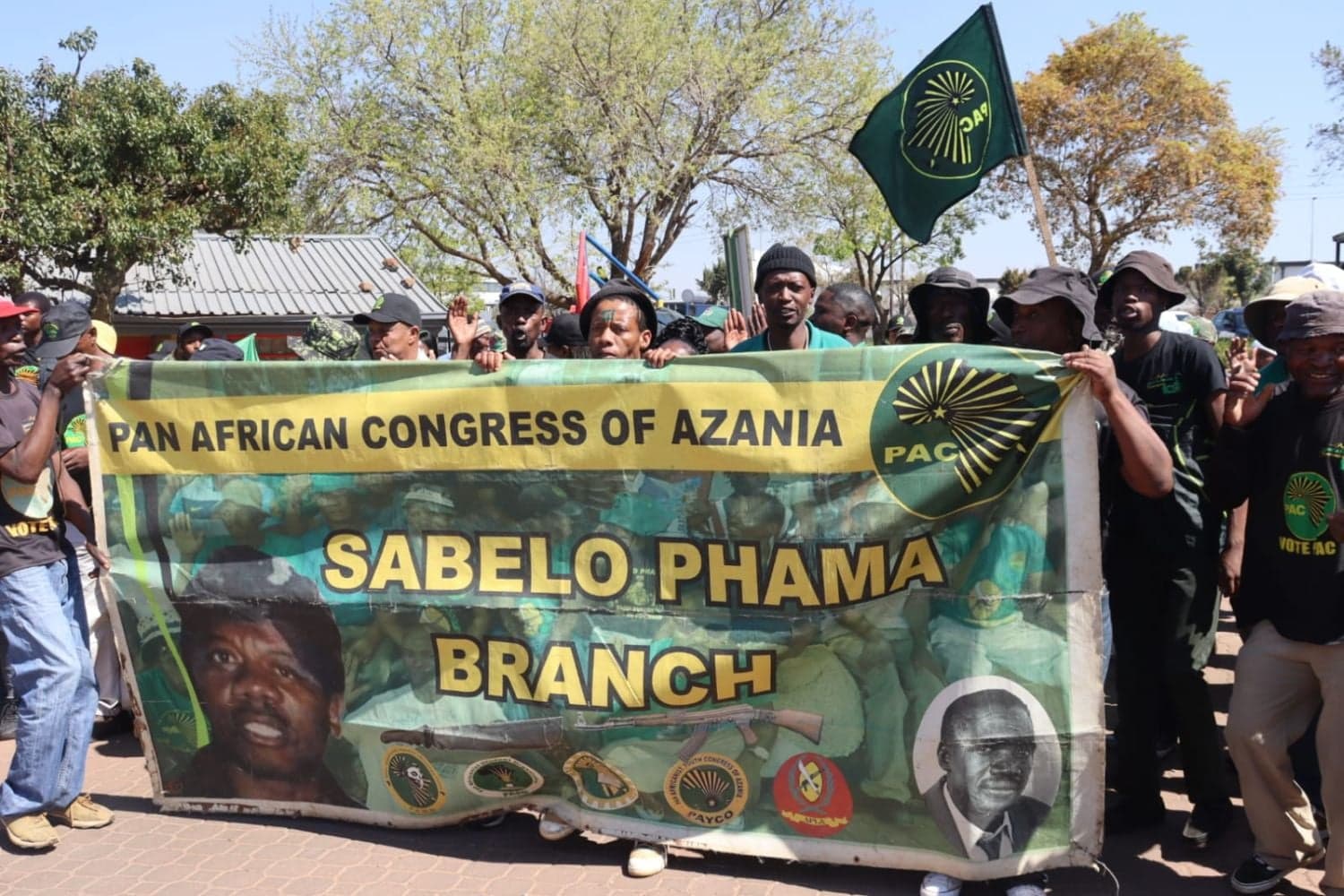
In a development that highlights the rising political temperature in Gauteng, the President of the Pan Africanist Congress (PAC) has issued a direct warning to Johannesburg residents, urging them not to vote for Helen Zille. The report, which emerged on 29 August 2026, points to an intensifying battle for the hearts and minds of voters in South Africa's economic hub. The warning underscores the deep ideological divisions that continue to shape the country's local and national political landscapes.
According to the initial report published by South African news outlet The Citizen, the PAC leader focused the warning specifically on Johannesburg's electorate. While the core message of the warning is clear—advising residents against supporting Zille—the specific details surrounding the announcement remain limited. The report does not detail the exact venue of the address, whether it occurred during a formal campaign rally, or the specific policy issues that prompted the PAC president's warning.
The targeting of Helen Zille, the Federal Council Chairperson of the Democratic Alliance (DA), is significant. Zille remains one of the most influential and polarizing figures in South African politics. By focusing the campaign message directly on her, the PAC is attempting to draw a sharp contrast between its own liberation-era, Africanist ideology and the liberal, market-oriented policies championed by the DA. This strategic positioning is designed to appeal to Johannesburg residents who may feel alienated by mainstream political offerings.
Johannesburg has long been a crucial battleground for South African political parties. The metropolitan municipality has experienced significant political instability in recent years, characterized by shifting coalitions, frequent changes in mayoral leadership, and ongoing challenges with service delivery. In this highly volatile environment, statements from national political figures can have a pronounced impact on local voter sentiment. The PAC's intervention represents an attempt to consolidate its support base and influence the broader coalition dynamics in the city.
As this story develops, several critical pieces of information remain unconfirmed. The primary source does not contain direct quotes from the PAC president's speech, nor does it outline the specific grievances the party holds against Zille's leadership or platform. Furthermore, there has been no immediate public response from Helen Zille or the Democratic Alliance regarding these remarks. In the highly competitive South African political arena, such direct challenges usually elicit strong counter-arguments, and observers are waiting to see how the DA will respond.
For the average resident of Johannesburg, this warning adds another layer of complexity to an already crowded political field. Voters are increasingly forced to navigate not only local municipal issues, such as electricity supply and road maintenance, but also broader ideological debates championed by national leaders. The PAC's warning serves as a reminder that local governance in South Africa's major metros is deeply intertwined with national political struggles and historical legacies.
Looking ahead, political analysts will be watching to see if this rhetoric translates into a broader campaign strategy for the PAC in Gauteng. It remains to be seen whether the party will seek to form alliances with other progressive or left-leaning organizations to counter the influence of the DA in Johannesburg. Additionally, the reaction of Johannesburg residents to this warning will be tested in upcoming electoral contests, which will provide a clearer picture of the shifting political allegiances in the region.
Reporting record
How this story was produced
This article was AI-generated from the frozen trend evidence and passed deterministic quality and safety gates. No cross-provider evidence review or independent human verification is claimed for this record.
- Byline
- Newstrends AI Newsroom
- First published
- Last material update
- No later material update recorded
- Distinct source identifiers
- 1 retained source identifier
Frozen source links for this publication
Chronology
Story timeline
A generated chronology for orientation; dates and details may require source verification.
Update
The PAC president's warning to Johannesburg residents is reported by South African media.
Reader file
Frequently asked questions
01What warning did the PAC president issue?
The PAC president warned Johannesburg residents not to vote for Helen Zille.
02When was this warning reported?
The warning was reported on 29 August 2026.
03Has Helen Zille or the DA responded to the warning?
As of the initial report, there has been no documented response from Helen Zille or the Democratic Alliance.
Keep reading
Related coverage
More published reporting connected to this story.

Helen Zille Slams Joburg Service Failures as IEC Launches Voter Mobilisation Drive
DA Federal Council Chairperson Helen Zille has sharply criticised Johannesburg's municipal service delivery as 'scandalous'. The critique comes as the Independent Electoral Commission (IEC) ramps up efforts to mobilise voters.

Joburg Struggles Deepen, Scharnick Arrested at Madlanga, and Du Toit to Captain Springboks Against All Blacks
A comprehensive round-up of South Africa's latest headlines reveals growing concerns over municipal decline in Johannesburg and a high-profile arrest at Madlanga. Meanwhile, rugby fans have received a major boost with the announcement of Du Toit as Springbok captain for the upcoming clash against the All Blacks.
Johannesburg Running Out of Steam as Economic Cracks Begin to Show, Reports Warn
Reports from August 2026 indicate that Johannesburg, South Africa's economic hub, is facing severe momentum loss. As systemic challenges mount, questions arise over the city's infrastructure and financial stability.

IEC Adds 291 000 New Voters as National Voters' Roll Surpasses 29 Million Milestone
The Electoral Commission of South Africa (IEC) has added 291,000 new voters to the national common voters' roll. This significant update officially pushes the total number of registered South African voters past the historic 29 million mark.

South Africans Back New Water Bill but Demand Stronger Enforcement for Real Change
Reports indicate widespread public support for a newly proposed water bill aimed at addressing South Africa's water security. However, residents are urging authorities to implement stricter enforcement mechanisms to ensure the legislation is effective.