NSRI Rescues Surf-Skier Off Simon's Town Amid Spectacular Whale Breaching
The National Sea Rescue Institute (NSRI) has successfully rescued a surf-skier off Simon's Town in the Western Cape. The dramatic operation took place amidst the spectacular sight of breaching whales in False Bay.
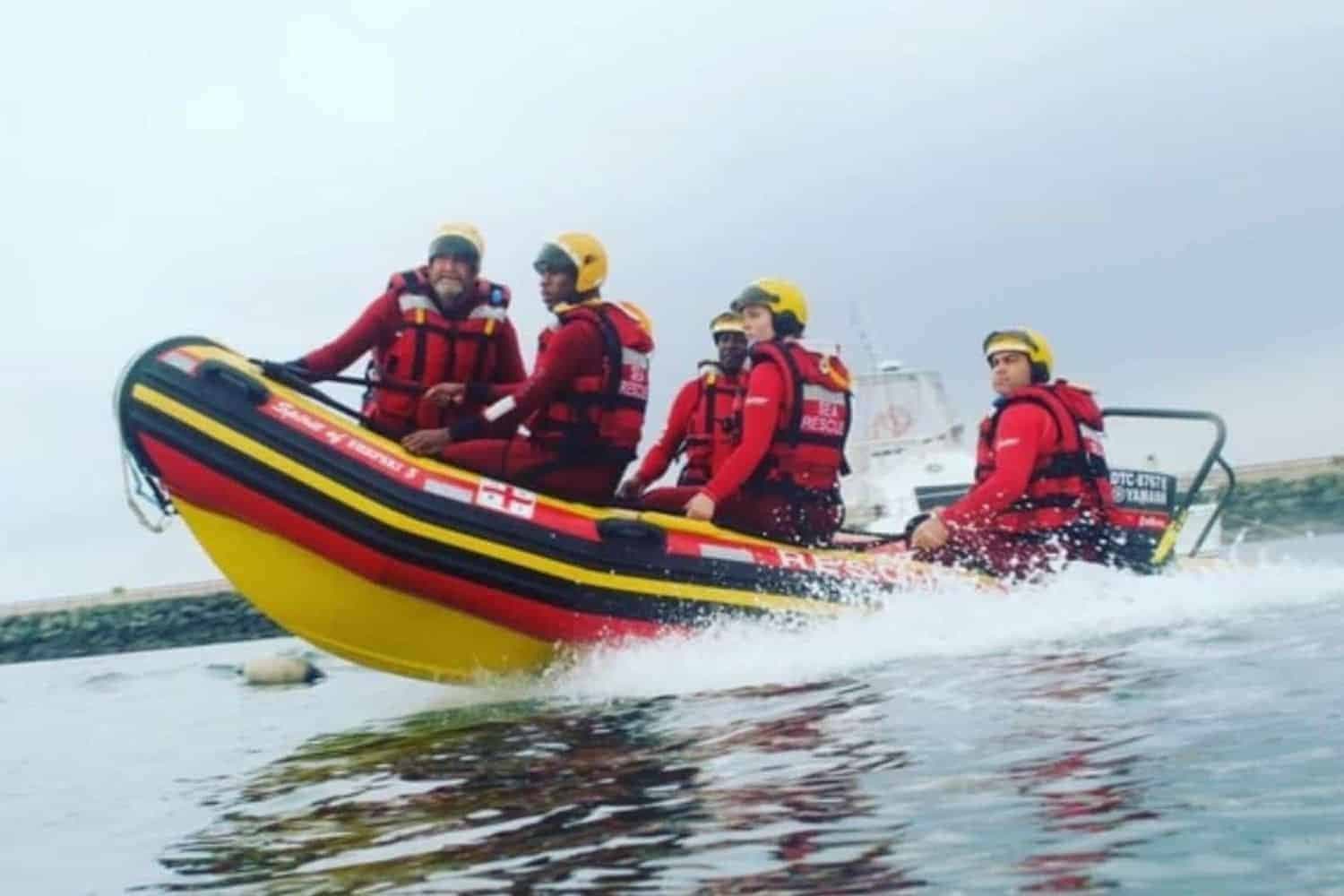
A dramatic maritime rescue operation unfolded off the coast of Simon's Town in the Western Cape, where the National Sea Rescue Institute (NSRI) successfully assisted a surf-skier. The emergency response, which has captured local attention, took place against the spectacular backdrop of breaching whales in the waters of False Bay. The incident, reported in late August 2026, highlights both the efficiency of South Africa's coastal rescue services and the rich marine biodiversity that characterises the region's shoreline.
Simon's Town, a historic naval town situated on the eastern side of the Cape Peninsula, is a popular hub for water sports enthusiasts, including surf-skiers, kayakers, and divers. However, the open waters of False Bay can present sudden challenges to even the most experienced ocean users. While the successful rescue of the surf-skier has been confirmed, the precise circumstances that led to the individual requiring emergency assistance remain unclear. Official reports have not yet detailed whether the call for help was triggered by equipment failure, sudden fatigue, or challenging sea conditions.
Adding a remarkable element to the rescue operation was the active presence of breaching whales in the immediate vicinity. False Bay is globally renowned as a prime habitat for marine mammals, particularly during the cooler months of the year when various whale species migrate to the South African coast. The sight of these massive creatures breaching during an active emergency rescue created a highly unusual and visually striking scene. However, specific details regarding the species of the whales involved or their exact proximity to the rescue vessel and the surf-skier have not been disclosed.
The National Sea Rescue Institute (NSRI) is a volunteer-driven, non-profit organisation dedicated to saving lives on South African waters. Operating from numerous rescue stations along the coast, the NSRI's quick response in Simon's Town underscores the vital role these volunteers play in coastal safety. The organisation regularly appeals to ocean users to carry proper safety equipment, including life jackets, communication devices, and tracking beacons, to ensure that rescues can be executed swiftly when emergencies arise in deep or offshore waters.
In the absence of an official, detailed incident report from the NSRI, several key aspects of the rescue remain unconfirmed. It is currently unknown which specific NSRI station or rescue craft was dispatched to the scene, nor has the identity or medical condition of the rescued surf-skier been made public. Local community members and media outlets are waiting for a formal statement to clarify whether the individual sustained any injuries or required hospitalisation following their safe return to the Simon's Town harbour.
This incident serves as a timely reminder of the complex relationship between recreational water sports and active marine wildlife in South African waters. While encountering whales is an extraordinary experience for local paddlers and tourists, it also requires a high degree of caution. Large marine mammals can behave unpredictably, and maintaining a safe distance is critical for both human safety and the well-being of the animals. Local coastal authorities continually urge ocean users to respect marine conservation guidelines while navigating active waters.
Moving forward, South African ocean users and environmental enthusiasts will be watching for further updates from marine safety authorities. As the whale-watching season continues to draw crowds to the Western Cape coastline, the event emphasizes the need for constant vigilance. The NSRI is expected to release safety advisories in the coming days, reminding the public of the best practices to follow when sharing the ocean with large marine mammals, ensuring that both recreation and conservation can coexist safely.
Reporting record
How this story was produced
This article was AI-generated from the frozen trend evidence and passed deterministic quality and safety gates. No cross-provider evidence review or independent human verification is claimed for this record.
- Byline
- Newstrends AI Newsroom
- First published
- Last material update
- No later material update recorded
- Distinct source identifiers
- 1 retained source identifier
Frozen source links for this publication
Chronology
Story timeline
A generated chronology for orientation; dates and details may require source verification.
Update
The rescue of the surf-skier off Simon's Town amid breaching whales is reported by South African news sources.
Reader file
Frequently asked questions
01Where did the rescue take place?
The rescue took place off the coast of Simon's Town, a coastal town located on the Cape Peninsula in the Western Cape, South Africa.
02Who was rescued during the incident?
A surf-skier was rescued by the National Sea Rescue Institute (NSRI), though their identity has not been publicly released.
03What made this rescue unusual?
The rescue occurred while whales were actively breaching in the surrounding waters, creating a dramatic backdrop for the operation.
Keep reading
Related coverage
More published reporting connected to this story.
Anti-xenophobia groups sound alarm after bloody Bellville clashes
Civil society organisations have raised urgent concerns following violent clashes in Bellville, Cape Town. While the exact causes and casualties remain unconfirmed, watchdogs are calling for immediate intervention to prevent further escalation.
Malmesbury Teenager Charged Following Investigation Into Child Exploitation Network
A teenager from Malmesbury in the Western Cape has been charged after an investigation uncovered a child exploitation network. Due to legal protections for minors, specific details about the suspect and the charges remain strictly confidential.
CPUT Closes All Campuses and Orders Immediate Residence Evacuations Following Arson Attack
The Cape Peninsula University of Technology has shut down all campuses and ordered students to vacate residences after a disruptive arson attack. The institution took the drastic safety measure on 18 August 2026, leaving many seeking alternative accommodation.

Cape Town Community on High Alert After Three Siblings Go Missing Following Trip with Father
Three siblings from Cape Town have been reported missing after a trip with their father, according to breaking local news reports. As details remain limited, community members and authorities are urged to remain vigilant while awaiting official updates.

Facebook and Instagram to Introduce Nighttime Curfews for Children
Meta's Facebook and Instagram are reportedly set to introduce nighttime curfews for younger users. While the announcement marks a major step in digital safety, critical details regarding local implementation and enforcement remain unconfirmed.