Anti-xenophobia groups sound alarm after bloody Bellville clashes
Civil society organisations have raised urgent concerns following violent clashes in Bellville, Cape Town. While the exact causes and casualties remain unconfirmed, watchdogs are calling for immediate intervention to prevent further escalation.
Anti-xenophobia organisations in South Africa have raised urgent concerns following reports of violent clashes in Bellville, Cape Town. The alarm was sounded on Thursday, 20 August 2026, after details emerged of what has been described as a bloody confrontation in the area. The incident, which has captured public attention across the Western Cape and the wider country, highlights ongoing tensions within local communities and has prompted immediate calls for intervention from civil society groups monitoring xenophobic sentiment and social cohesion.
According to the initial reports published by the Cape Argus and Independent Online (IOL) on 20 August 2026, the situation in Bellville escalated into physical violence, leading to the description of the event as "bloody clashes." While the specific trigger of the confrontation remains unconfirmed in the immediate aftermath of the event, the involvement of anti-xenophobia watchdogs indicates that the violence may have been fueled by, or has the potential to spark, xenophobic tensions. These groups are actively monitoring the situation to prevent further escalation in the area.
At this stage, several critical details surrounding the Bellville clashes remain unverified. The exact number of casualties, the extent of any injuries sustained by those involved, and the scale of property damage have not been officially detailed in the initial reports. Furthermore, the specific identities of the groups or individuals clashing, the precise location within Bellville where the violence erupted, and the immediate catalyst for the physical confrontation have not been publicly disclosed. Authorities and local organisations are expected to provide clearer insights as investigations proceed.
Bellville is a major commercial and residential hub situated in the northern suburbs of the City of Cape Town metropolitan municipality. As a prominent economic node, it features a busy transport interchange, numerous retail businesses, and a highly diverse population, including a significant number of foreign nationals who live and run businesses in the area. Historically, such dense urban and commercial centers in South Africa have occasionally faced localized tensions over resources, trading spaces, and social integration, making the region highly sensitive to any outbreaks of community violence.
The swift response from anti-xenophobia groups underscores the volatile nature of community relations in urban centers. In South Africa, civil society organisations play a vital role in sounding the alarm early during localized conflicts to prevent them from spreading or transforming into widespread xenophobic violence. By drawing public and media attention to the Bellville clashes, these advocacy groups aim to pressure law enforcement and local government structures to intervene rapidly, secure the area, and mediate between the affected parties before the situation deteriorates further.
As of the publication of the initial reports, official statements from the South African Police Service (SAPS) and the City of Cape Town’s safety and security department regarding arrests, patrols, or specific security measures in Bellville remain pending. In similar scenarios, local authorities typically deploy additional law enforcement personnel, including public order policing units, to restore calm and conduct investigations into the root causes of the violence. The community is currently waiting for official guidance on safety and security protocols in the affected zones.
The clashes in Bellville serve as a stark reminder of the fragile state of social cohesion in many South African urban environments. Civil society leaders frequently point out that socio-economic pressures, competition for business opportunities, and inadequate local conflict-resolution mechanisms can easily escalate minor disputes into broader communal violence. Addressing these underlying systemic issues is widely seen as crucial to preventing recurring clashes and fostering a safer, more inclusive environment for both local citizens and foreign nationals.
Moving forward, observers and residents will be closely watching for comprehensive updates from local community leaders, human rights organisations, and the police. Key developments to monitor include the release of official casualty figures, details on any arrests made in connection with the violence, and the implementation of community dialogue initiatives designed to defuse the tension. The response of the Western Cape provincial government and local ward councillors will also be critical in determining the long-term stability and safety of the Bellville business district and its surrounding residential neighborhoods.
Reporting record
How this story was produced
This article was AI-generated from the frozen trend evidence and passed deterministic quality and safety gates. No cross-provider evidence review or independent human verification is claimed for this record.
- Byline
- Newstrends AI Newsroom
- First published
- Last material update
- No later material update recorded
- Distinct source identifiers
- 1 retained source identifier
Frozen source links for this publication
Chronology
Story timeline
A generated chronology for orientation; dates and details may require source verification.
Update
Reports of bloody clashes in Bellville are published by the Cape Argus, prompting immediate warnings from anti-xenophobia groups.
Reader file
Frequently asked questions
01What happened in Bellville?
Reports emerged on 20 August 2026 of violent, bloody clashes in Bellville, Cape Town, prompting anti-xenophobia groups to raise concerns over potential escalation.
02Who was involved in the clashes?
The specific identities of the individuals or groups involved in the Bellville confrontation have not yet been officially confirmed.
03Have there been any official casualty figures or arrests reported?
At this stage, official details regarding casualties, injuries, or arrests by law enforcement remain unverified.
Keep reading
Related coverage
More published reporting connected to this story.
Woodstock Plunged into Unease After Second Fatal Stabbing in Five Days
A second stabbing incident in Woodstock within five days has left one person dead, sparking safety concerns in the Cape Town suburb. The local community awaits crucial updates from law enforcement as investigations begin.
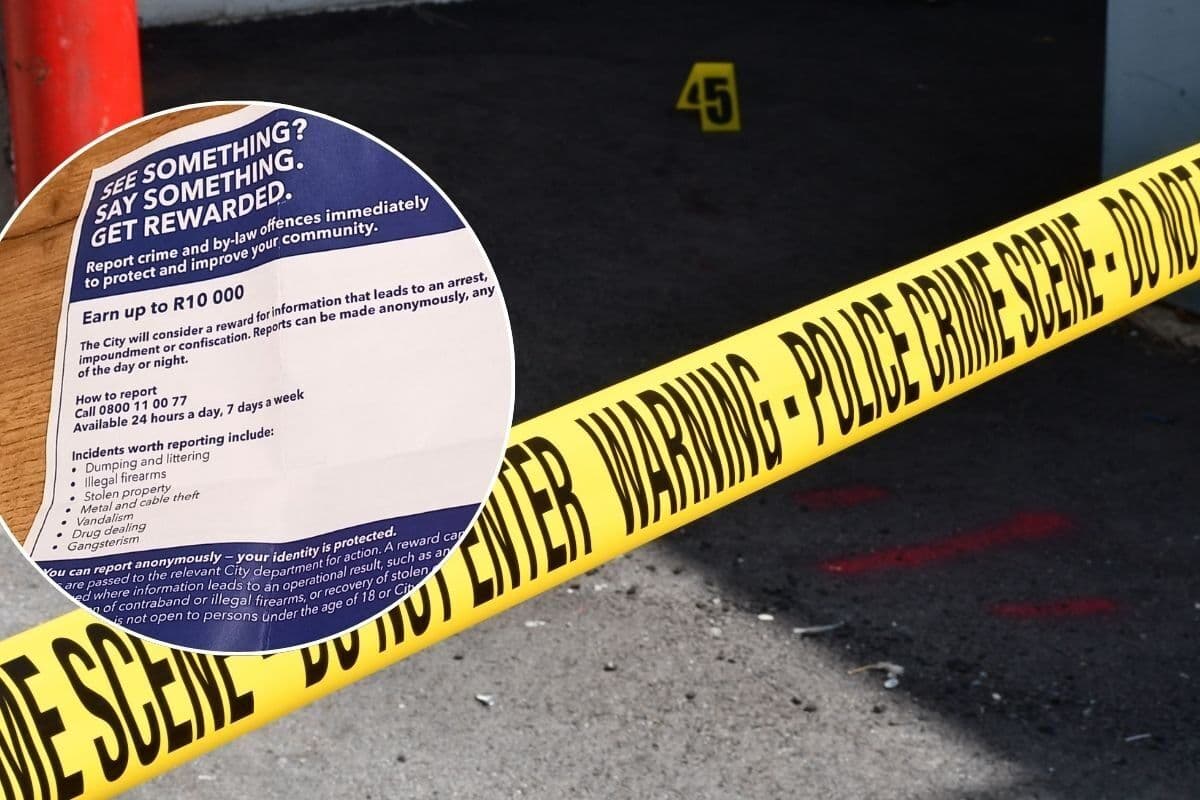
City of Cape Town Offers R10,000 Reward for Reporting Crime
The City of Cape Town has announced a financial incentive of R10,000 for residents who report criminal activity. While the headline reward is clear, many practical details regarding eligibility and safety remain to be finalized.
Khayelitsha Shack Fire: Family of Three Perishes in Early Morning Blaze
A tragic early morning shack fire in Khayelitsha has claimed the lives of a family of three. As authorities investigate the cause of the blaze, the incident highlights the ongoing safety challenges in Cape Town's informal settlements.

Cape Town Driving Licence Testing Centres to Open This Saturday, 25 July 2026
Driving licence testing centres in Cape Town are scheduled to open on Saturday, 25 July 2026, providing weekend access for local motorists. While the date is confirmed, residents are advised to verify specific centre locations and hours.
Strandfontein Residents Mobilise to Demand Demolition of Notorious Schaapkraal Drug Den
Residents of Strandfontein are pushing for the demolition of a notorious property in neighbouring Schaapkraal that is allegedly operating as a drug den. The community is calling for permanent structural action to address ongoing safety and crime concerns affecting both suburbs.