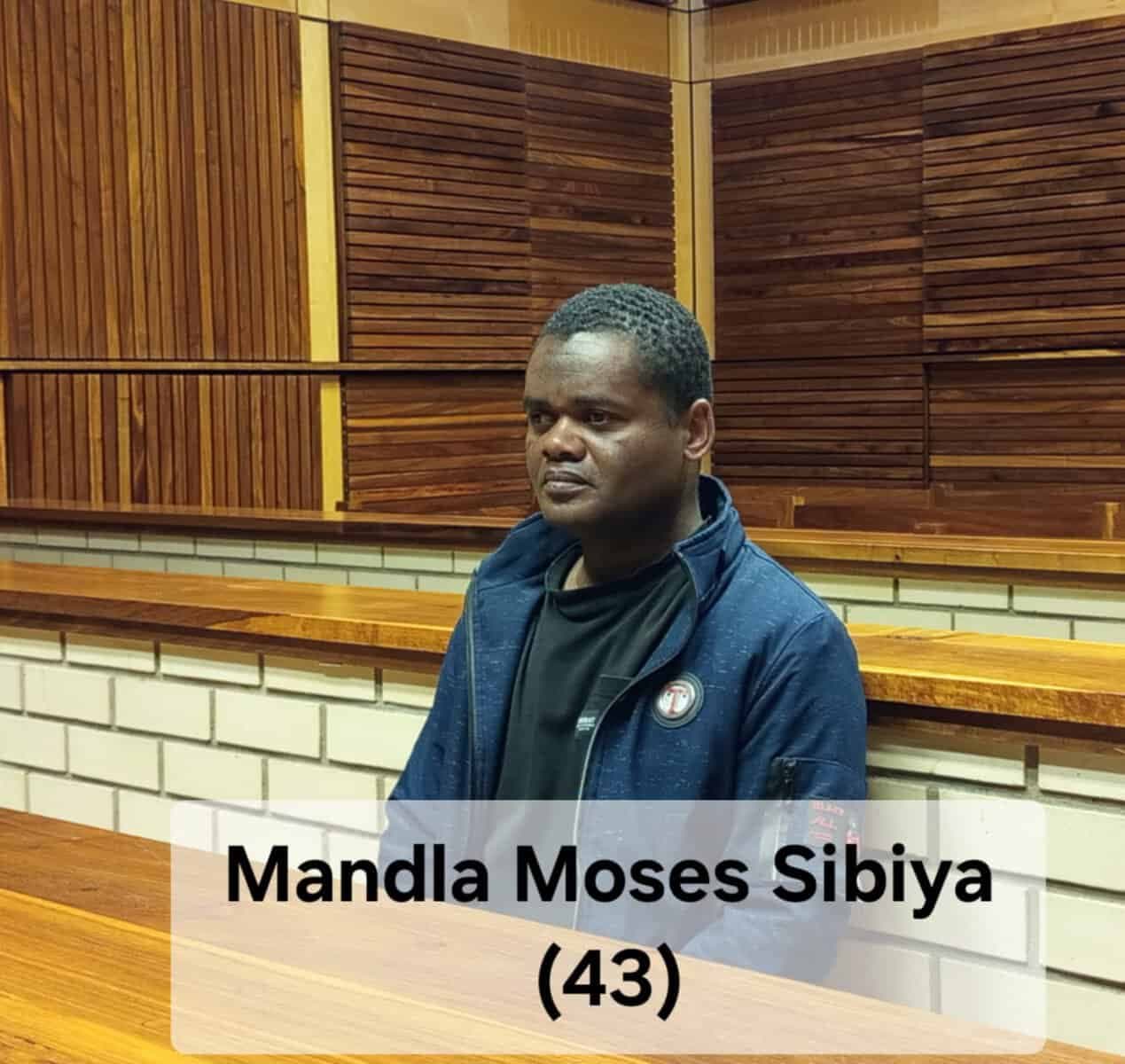
A North West court has handed down a heavy sentence to an attacker who targeted a jogger, sentencing him to life imprisonment plus an additional 15 years for rape and robbery. The ruling, which emerged on Thursday, 17 September 2026, marks a significant legal outcome in a country grappling with high rates of gender-based violence and contact crime.
According to the initial reports and legal updates published by South African media outlets, including The Citizen, the perpetrator was convicted on charges of rape and robbery. The charges stem from an assault on a jogger in the North West province. The court decided on a life sentence for the rape conviction, supplemented by a 15-year term for the robbery, ensuring that the perpetrator faces a substantial period behind bars.
While the severe sentence has been confirmed, several details regarding the incident and the trial remain undisclosed in the immediate aftermath of the ruling. The identity of the attacker and the specific North West town or area where the assault took place have not been widely publicised to the general public. Additionally, the identity of the victim remains protected, which is standard practice in South African courts to safeguard the privacy and dignity of sexual assault survivors. The exact date of the attack and the specific high court or regional court division that handed down the sentence also remain unconfirmed in the initial reports.
The sentencing of life plus 15 years is a significant development in the context of South Africa's ongoing battle against gender-based violence (GBV). In South Africa, a life sentence for rape is often handed down under the Criminal Law (Sentencing) Amendment Act, particularly when aggravating circumstances are present, such as the commission of another felony like robbery during the attack. The addition of 15 years for robbery highlights the court's stance on cumulative sentencing for multiple offences committed during a single criminal act, sending a strong message to perpetrators of contact crimes.
This case underscores the persistent safety challenges faced by outdoor enthusiasts, particularly women and lone joggers, across South African suburbs and rural areas. The threat of opportunistic attacks while exercising has previously sparked numerous community safety initiatives, including group running clubs and localized security patrols. For residents of the North West and the broader South African public, this ruling serves as a stark reminder of the dangers that persist on public roads and trail paths, while also offering some reassurance that the justice system is capable of delivering maximum penalties.
The successful prosecution of this attacker highlights the critical chain of justice, from the initial police investigation and forensic collection to the final court proceedings. In many South African GBV cases, securing a conviction—let alone a life sentence—requires meticulous work by the South African Police Service (SAPS) and the National Prosecuting Authority (NPA). While public frustration with crime levels remains high, legal outcomes of this nature demonstrate that thorough investigations can lead to substantial convictions that remove dangerous offenders from society.
Going forward, community policing forums (CPFs) and local safety advocates are likely to use this case to renew calls for increased security measures in public recreational spaces. The demand for visible policing, working CCTV cameras, and cleared bush areas along popular running routes remains a priority for many communities. While the sentence brings a measure of justice for the victim, safety advocates emphasize that prevention and active deterrence are just as vital as punitive measures in creating a safer environment for all South Africans.
As more details emerge regarding the specific court proceedings and the identities of those involved, the public will be watching to see if the perpetrator attempts to appeal the heavy sentence. For now, the ruling stands as a stern warning against acts of violence targeting individuals in public spaces. The North West community, along with the rest of South Africa, continues to navigate the complex path toward reducing violent crime and ensuring that public spaces remain safe for everyone to use without fear.