New Report Outlines the Consumer Profile of South Africa’s Electric Car Buyers
A newly published report by The South African explores the demographics and driving factors behind electric vehicle buyers in the country. The analysis highlights a growing shift in the local automotive market as businesses seek to understand who is leading the transition to electric mobility.
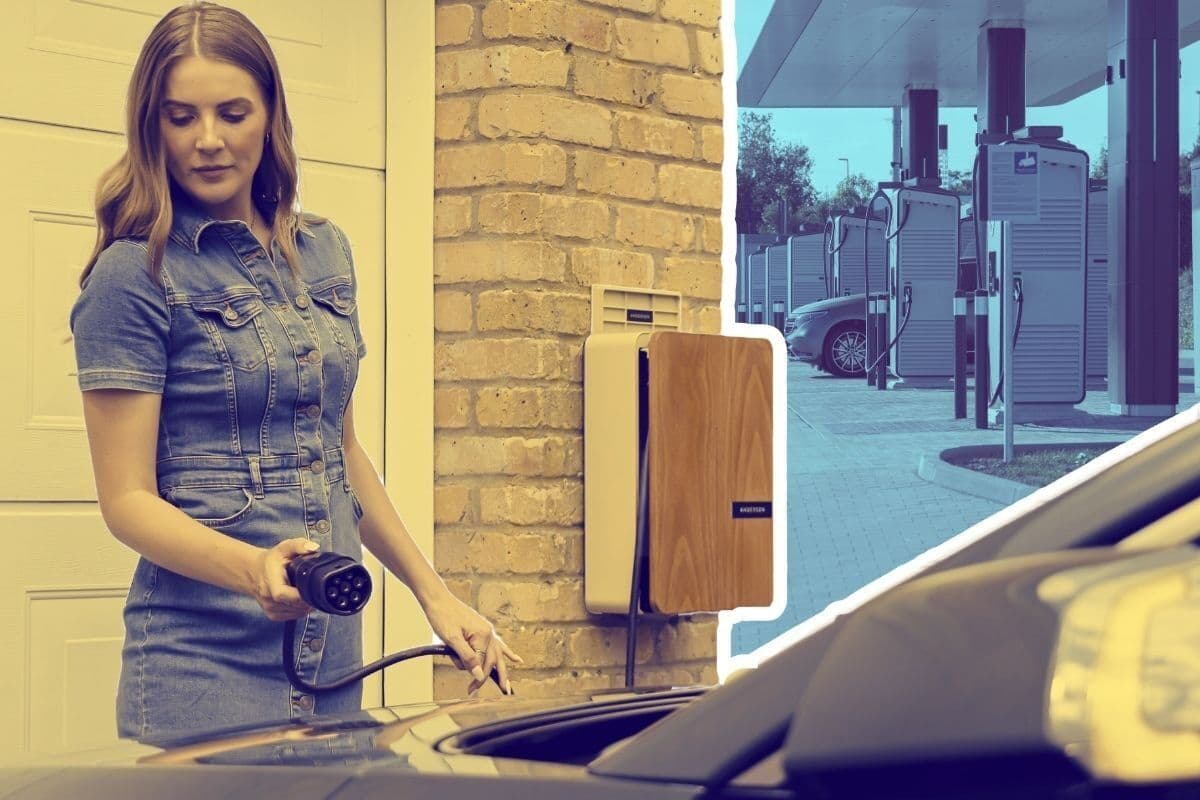
A significant new analysis has emerged detailing the consumer profile of electric vehicle (EV) buyers in South Africa, shedding light on a rapidly evolving segment of the local automotive market. Published on 22 July 2026 by the local news outlet The South African, the report titled "Consumer profile: Who is South Africa’s electric car buyer?" has quickly captured public attention, circulating widely under viral news and business categories. The publication of this profile comes at a crucial time as the country grapples with global shifts toward sustainable transport and local economic factors that influence high-ticket purchases.
The core objective of the newly released profile is to answer a fundamental question: who exactly is driving the transition to electric mobility in South Africa? As the automotive industry undergoes a global transition away from internal combustion engines, local dealerships, manufacturers, and policy-makers are eager to understand the specific characteristics of the South African consumer. This understanding is vital because the local market operates under distinct economic conditions, distinct from those in Europe or North America, making international consumer profiles inapplicable to the domestic landscape.
According to the available trend data, the report was featured in the business section of The South African, indicating that the insights carry substantial weight for commercial stakeholders. However, the initial trend signal does not disclose the specific demographic statistics, such as the exact age brackets, income levels, or geographic distribution of these buyers. Consequently, while the existence of this profile highlights a structured attempt to map out the EV buyer demographic, the precise data points that define this consumer group remain contained within the primary publication, leaving industry analysts to examine how closely these findings align with broader market expectations.
What remains unclear from the high-level trend information is the precise motivation driving these South African buyers. It is not yet specified whether early adopters are primarily motivated by environmental sustainability, long-term fuel savings, or a preference for cutting-edge technology and luxury features. Furthermore, the report’s silence on whether these buyers are concentrated in major metropolitan hubs like Johannesburg, Cape Town, and Durban, or if there is emerging interest in smaller towns, highlights the areas where further detailed industry disclosure is required to fully map the market.
Despite these unresolved details, the significance of identifying the South African electric car buyer cannot be overstated. For years, the local adoption of electric vehicles has been viewed as a niche market, often associated with high import tariffs and limited charging infrastructure. By defining a clear consumer profile, the report helps transition the conversation from theoretical market potential to concrete consumer behavior. This shift is essential for local businesses that need to decide whether to invest heavily in electric vehicle stock, charging infrastructure, or specialized maintenance services.
Moreover, the profiling of EV buyers has direct implications for the country's energy and infrastructure sectors. If the typical buyer profile reveals a highly concentrated demographic in specific suburban areas, infrastructure developers can more effectively plan the rollout of public charging stations. This targeted approach prevents the misallocation of resources and ensures that charging networks are built where they are most needed, thereby addressing one of the primary concerns of prospective electric vehicle owners in South Africa.
Looking ahead, industry watchers should observe how local automotive brands respond to the findings of this consumer profile. As more manufacturers introduce diverse electric and hybrid options to the South African market, understanding the buyer's profile will allow for more competitive pricing and targeted marketing campaigns. Whether this profile will expand to include middle-income households or remain restricted to high-net-worth individuals is a critical trend that will determine the speed of EV integration across the nation.
Reporting record
How this story was produced
This article was AI-generated from the frozen trend evidence and passed deterministic quality and safety gates. No cross-provider evidence review or independent human verification is claimed for this record.
- Byline
- Newstrends AI Newsroom
- First published
- Last material update
- No later material update recorded
- Distinct source identifiers
- 1 retained source identifier
Frozen source links for this publication
Chronology
Story timeline
A generated chronology for orientation; dates and details may require source verification.
Update
The South African publishes the business report identifying the consumer profile of local electric vehicle buyers.
Reader file
Frequently asked questions
01When was the South African electric car buyer profile published?
The report was published on 22 July 2026.
02Which publication released the consumer profile?
The analysis was published by the South African news outlet, The South African.
03Are specific statistics like age and income included in the trend overview?
No, the specific statistical breakdowns such as age, income, and geographical distribution are not detailed in the initial trend signal and must be accessed directly from the full report.
Keep reading
Related coverage
More published reporting connected to this story.

RMI’s Louis van Huyssteen Discusses the Rise of Electric Vehicles on Business Talk
Louis van Huyssteen of the Retail Motor Industry Organisation (RMI) recently joined Business Talk to discuss the accelerating shift towards electric vehicles in South Africa. The discussion highlights the critical adjustments required by the local automotive aftermarket and retail sectors as electric mobility gains traction.
Lalit Modi Cleared in Key 2009 IPL South Africa Case Following Tribunal Verdict
Former IPL commissioner Lalit Modi has been cleared of charges in a major case linked to the 2009 tournament held in South Africa. The decision follows a significant tribunal verdict, marking a major turn in the long-running legal saga.
Andrew Chauke Cleared Following Fitness for Office Challenge by Batohi
Senior prosecutorial figure Andrew Chauke has been cleared after a high-profile challenge to his fitness for office. The challenge, initiated by National Director of Public Prosecutions Shamila Batohi, represents a major development within South Africa's legal landscape.

Subjective Poverty: Why More South Africans May Be Poorer Than They Think
New discussions around subjective poverty reveal a stark contrast between official economic metrics and the lived financial realities of South Africans. Many citizens who sit above the official poverty line still struggle to make ends meet due to rising costs.

‘Get body bags ready’: Andrea Johnson speaks on alleged death threats before Khumalo’s arrest
Reports have emerged detailing chilling death threats, including a warning to 'get body bags ready', directed at Andrea Johnson-Madlanga before the arrest of an individual named Khumalo. The developing story highlights the severe security risks faced by key figures in South Africa's legal landscape.