A major national news roundup published on 18 September 2026 has highlighted three critical developments gripping South Africa: the sudden dismissal of Julius Mkhwanazi, a severe weather crisis in Durban, and a sharp public inquiry directed at Gauteng leadership. Released as part of a prominent 'In case you missed it' digest by The Citizen, these stories underscore a turbulent period of political shifting, environmental vulnerability, and growing public impatience with provincial governance. Together, they paint a picture of a nation grappling with simultaneous administrative, ecological, and social challenges.
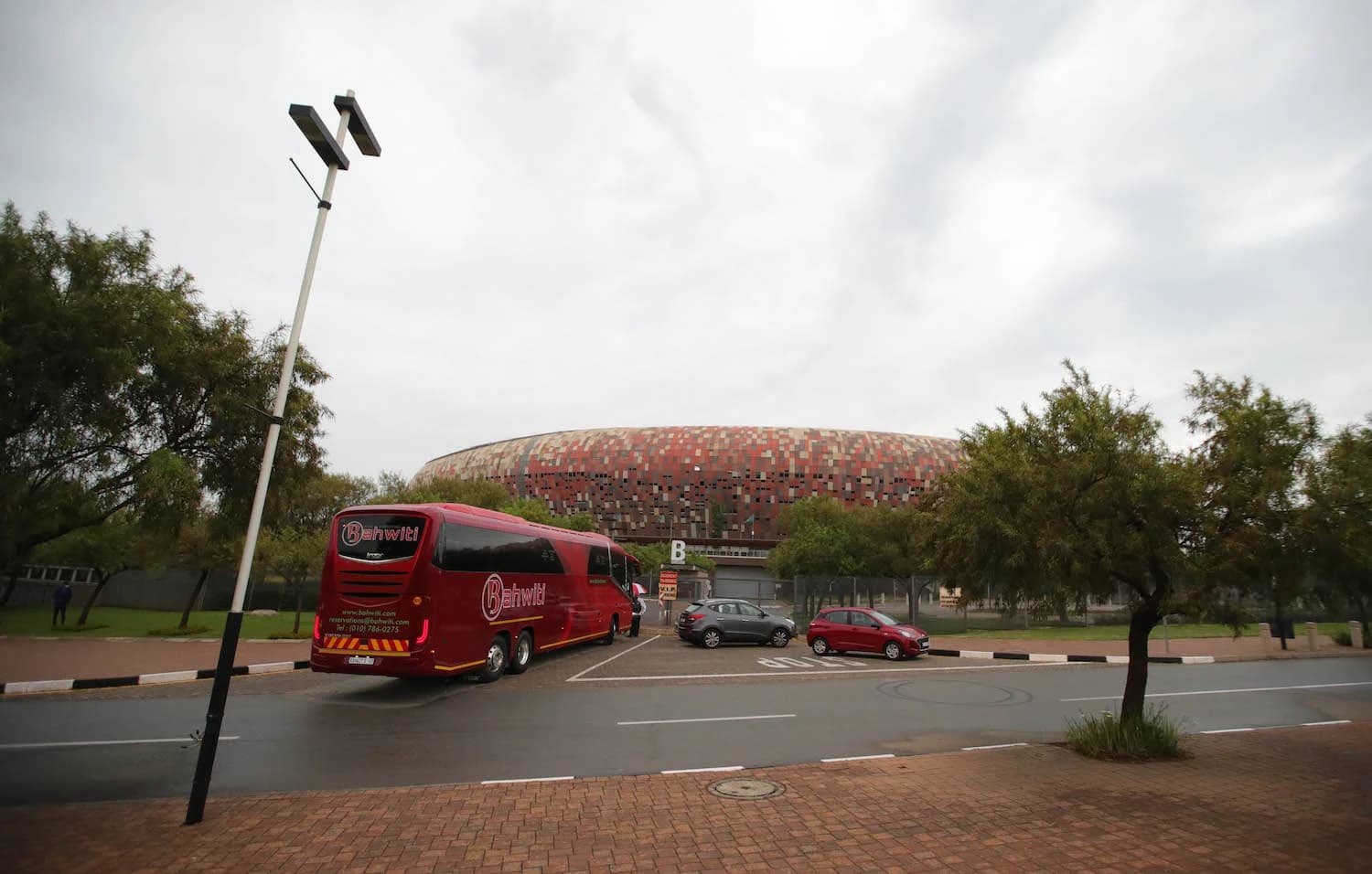
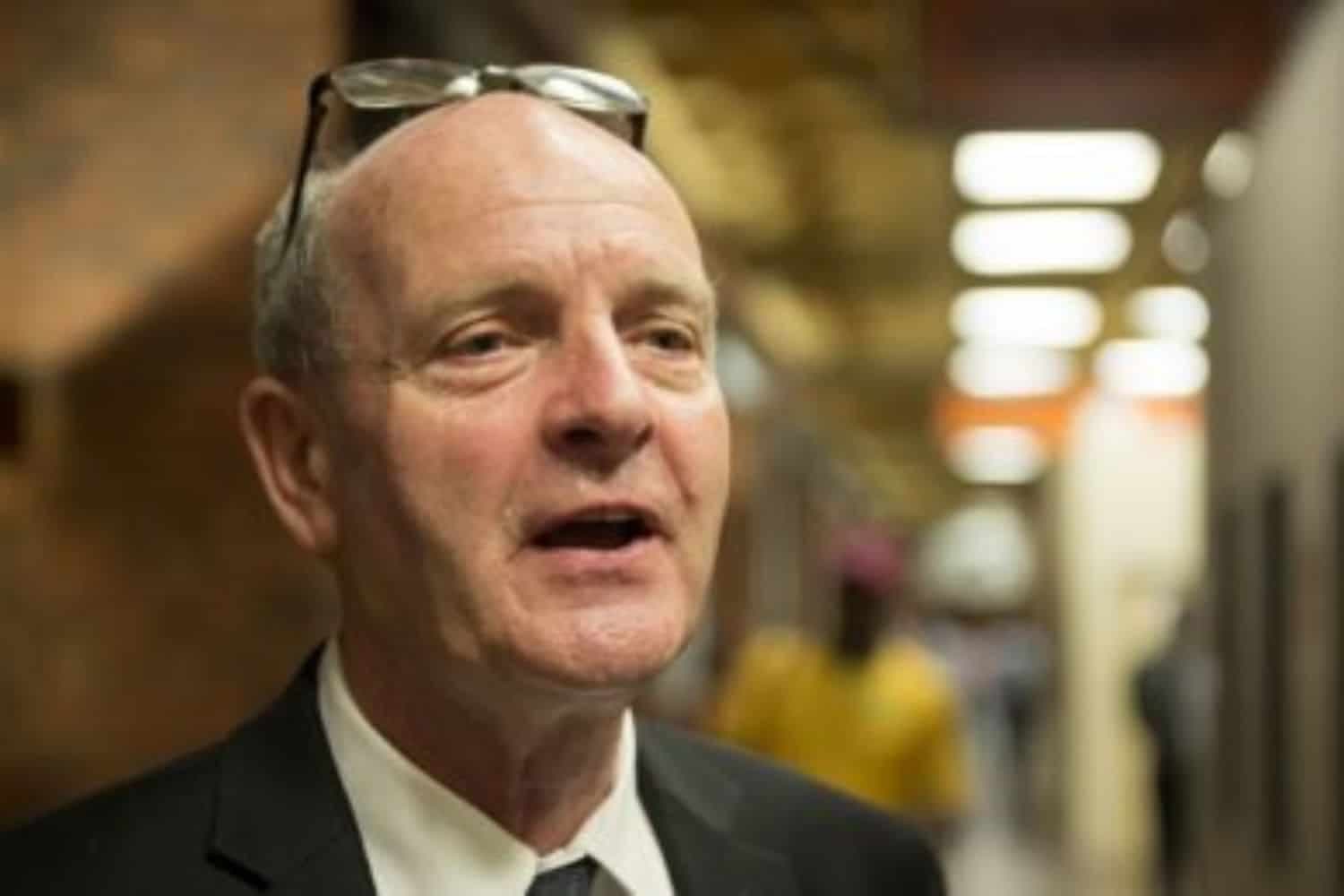
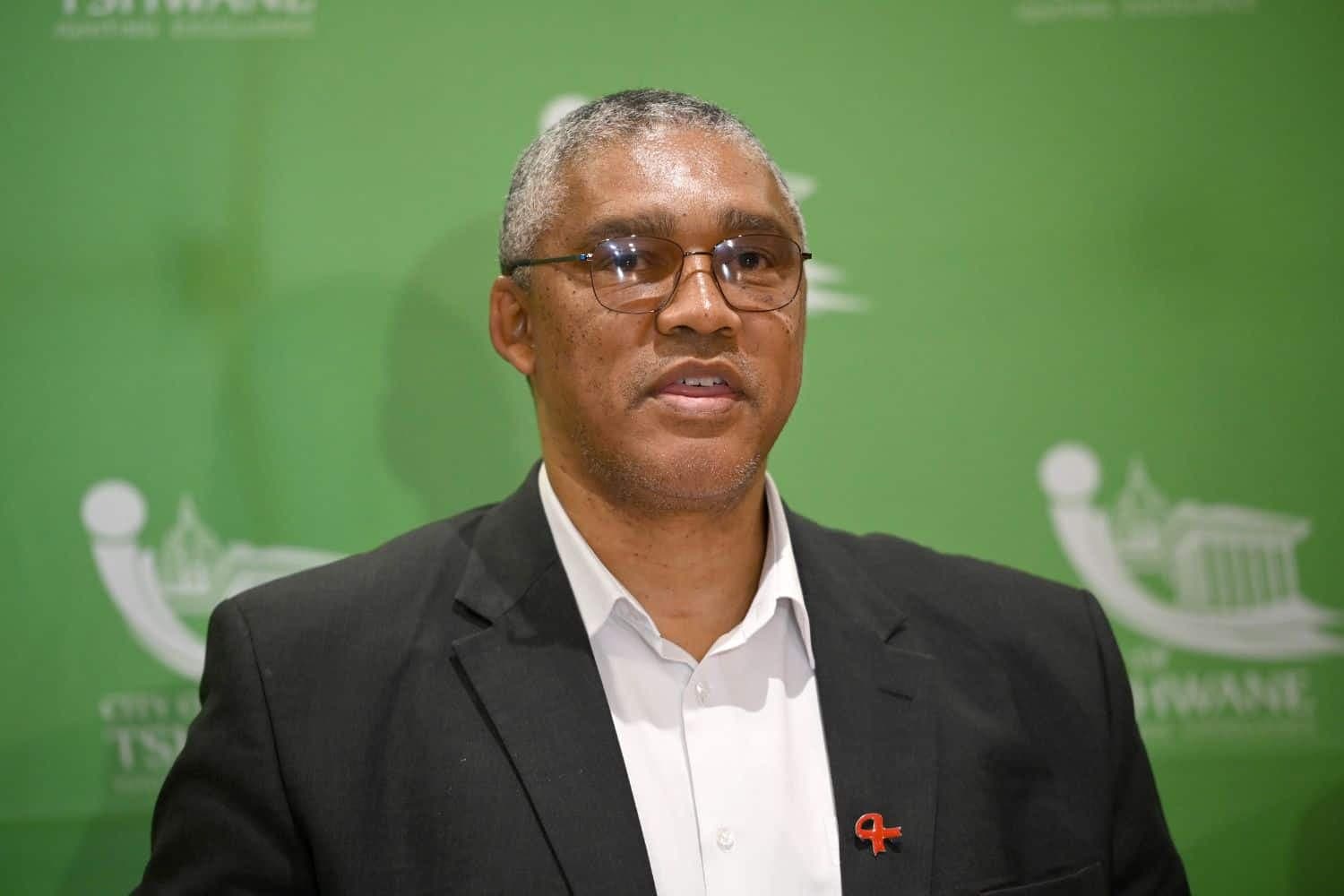
The first major headline capturing national attention is the firing of Julius Mkhwanazi. At the time of the report, the specific administrative or political entity that terminated Mkhwanazi's contract, as well as the official reasons behind the dismissal, remain unconfirmed in the initial digest. In the South African political and corporate landscape, high-profile dismissals of this nature often spark intense public debate regarding governance, accountability, and internal power dynamics. Observers are closely watching for official statements from the relevant departments or organisations to clarify what led to this abrupt decision and who will be stepped in to fill the vacancy.
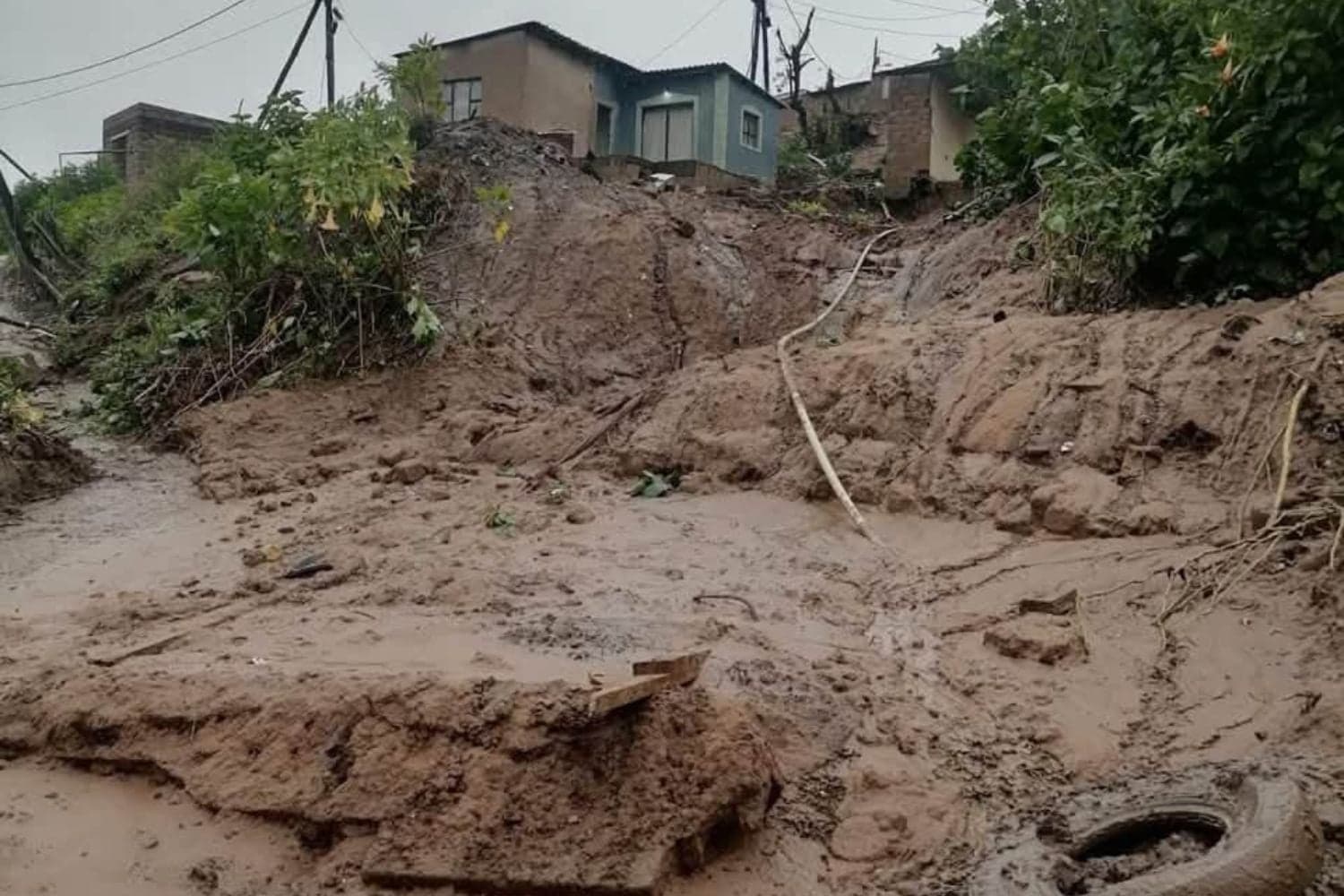
Simultaneously, KwaZulu-Natal is once again facing environmental distress as torrential rain batters the coastal city of Durban, triggering destructive mudslides. Durban has historically been highly susceptible to severe weather events, and this latest downpour has renewed fears regarding the integrity of local infrastructure and the safety of residents in vulnerable informal settlements and low-lying areas. While the exact scale of the displacement, property damage, or potential casualties has not been fully detailed in the preliminary news brief, the report of mudslides indicates a highly volatile situation requiring urgent disaster management intervention.
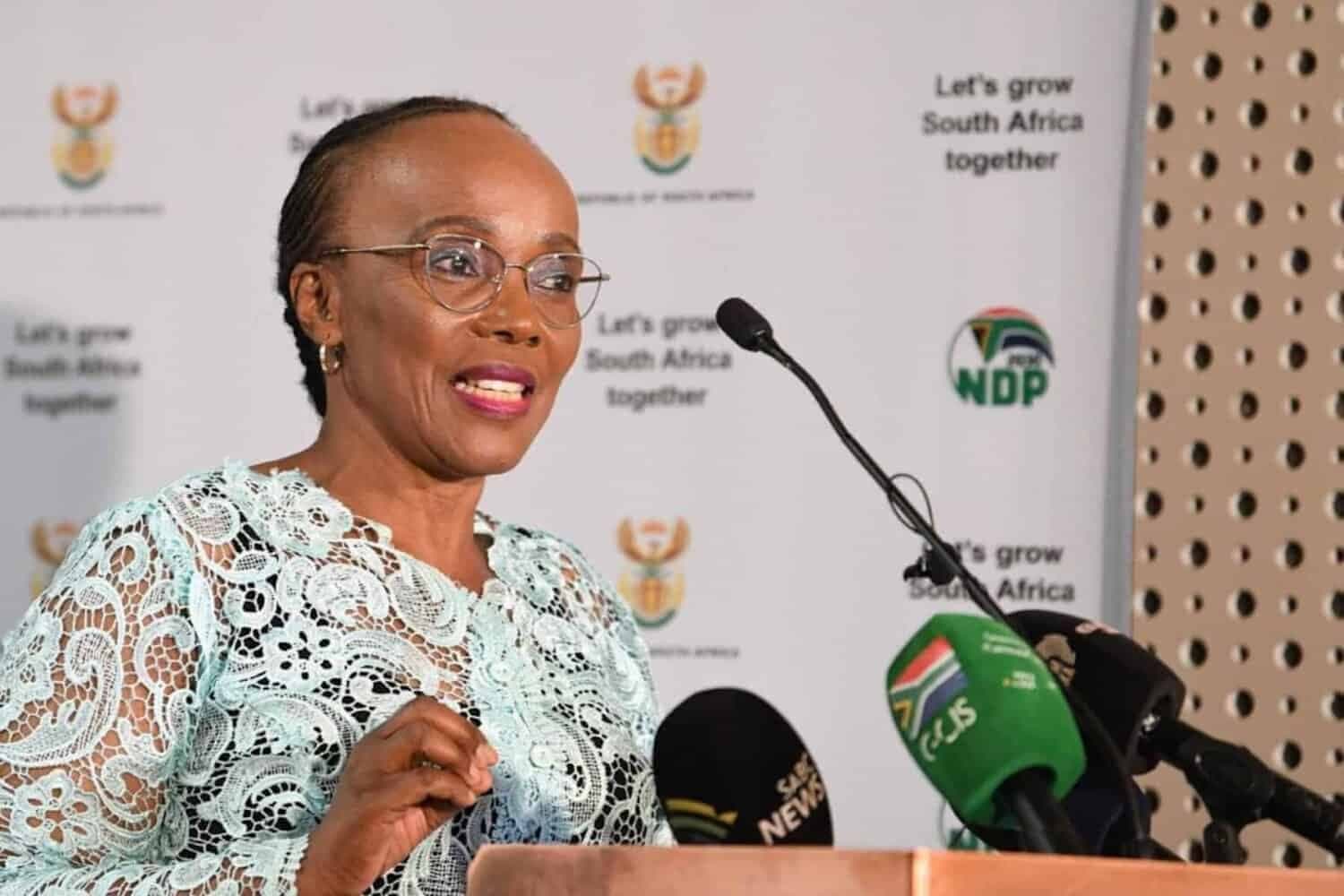
Adding to the day's heavy news cycle is a prominent opinion or editorial piece posing a direct and urgent question: 'How long must we wait, Panyaza?' This public appeal is directed at a figure identified as Panyaza, a name widely associated in the South African political sphere with Gauteng Premier Panyaza Lesufi. The commentary reflects a broader sentiment of public exhaustion and demand for accountability, although the specific provincial issue—whether relating to service delivery, lifestyle audits, energy infrastructure, or employment initiatives—is not explicitly detailed in the headline. The query highlights a growing impatience among citizens who are demanding swift, visible results from provincial leadership.
The convergence of these three distinct narratives on 18 September 2026 highlights the complex multi-front challenges that South Africans navigate daily. From the sudden removal of public or corporate figures like Julius Mkhwanazi to the life-threatening physical dangers of mudslides in Durban, and the ongoing struggle for political accountability in Gauteng, the country's news landscape remains highly dynamic. Such digests serve as a critical touchpoint for a general audience seeking to stay informed amidst a deluge of rapidly developing national events.
In the coming days, the practical implications of these unfolding stories will become clearer. For Durban residents, the immediate focus will be on emergency rescue operations, weather alerts, and municipal responses to the mudslides. Politically, the fallout from Julius Mkhwanazi's dismissal is expected to provoke further statements from affected stakeholders. Meanwhile, the provincial administration in Gauteng will likely face continued pressure to address the public concerns raised in the editorial questioning 'Panyaza.' Citizens and analysts alike will be monitoring official government channels and local news outlets for detailed updates on all three fronts.