Manufacturing Indaba 2026 Hailed as Catalyst for Africa's Industrial Growth
The Manufacturing Indaba 2026 has been identified as a significant catalyst for industrial growth across the African continent, according to a report by IOL Business Report. Published on July 19, 2026, this assessment underscores the event's profound impact on fostering economic development and industrialisation, particularly from a South African perspective.
The Manufacturing Indaba 2026 has been identified as a significant catalyst for Africa's industrial growth, according to a report by IOL Business Report published on July 19, 2026. This assessment, emerging from South African media, underscores the event's profound impact on the continent's economic trajectory, signaling a pivotal moment for industrial development across the region.
To be termed a 'catalyst' in the context of industrial growth implies more than just a gathering; it suggests an event that actively stimulated, accelerated, or initiated crucial processes leading to tangible progress. For Africa, a continent often striving to diversify its economies and move beyond raw material exports, such a designation points to a strategic turning point. It suggests that the Indaba facilitated breakthroughs, fostered collaborations, or inspired policy shifts that are now contributing to a more robust and self-reliant industrial landscape.
The pursuit of industrial growth across Africa is a long-standing objective, aimed at creating jobs, enhancing value chains, and improving living standards. This reported catalytic effect of the 2026 Indaba aligns with broader continental aspirations for economic transformation. It speaks to a collective effort to build local manufacturing capabilities, reduce reliance on imports, and position African nations, including South Africa, more competitively in the global economy. Such growth is typically underpinned by advancements in technology, infrastructure development, and skilled labour.
Manufacturing Indabas, like the one held in 2026, traditionally serve as critical platforms for industry leaders, policymakers, investors, and innovators to converge. These events are designed to showcase local capabilities, attract foreign direct investment, facilitate technology transfer, and shape the policy environment conducive to industrial expansion. The reported outcome suggests that the 2026 edition successfully met, and perhaps exceeded, these typical objectives, driving the continent towards its industrialisation goals.
While the IOL Business Report, as captured on July 19, 2026, clearly articulates the Indaba's overarching catalytic role, specific details regarding the mechanisms of this growth remain to be fully elaborated. The report does not, at this stage, specify particular projects launched, investment commitments secured, policy reforms enacted, or the exact sectors that have experienced the most significant acceleration as a direct result of the 2026 event. Further information would be required to understand the granular impact across different industries and countries.
For South Africa, a key economic hub on the continent, the reported catalytic effect of the Manufacturing Indaba 2026 carries significant implications. As a nation with a developed, albeit challenged, manufacturing base, South Africa stands to benefit from and contribute to broader African industrial growth. This could manifest in increased regional trade, enhanced supply chain integration, and opportunities for South African companies to expand their reach across the continent. Furthermore, a stronger industrial Africa could bolster South Africa's own efforts towards job creation and economic diversification within its borders.
Moving forward, stakeholders will likely be keen to observe the concrete manifestations of this reported industrial acceleration. This includes monitoring national economic indicators across African countries, tracking progress on major infrastructure projects, and looking for announcements of new manufacturing facilities or significant expansions. The long-term impact of the 2026 Indaba will be judged by sustained growth, increased employment figures in the industrial sector, and a demonstrable shift in Africa's global economic standing. Future reports from sources like IOL Business Report will be crucial in painting a more detailed picture.
In conclusion, the assessment from IOL Business Report on July 19, 2026, positions the Manufacturing Indaba 2026 as a pivotal event in Africa's journey towards industrial maturity. While the specifics of its impact are yet to be fully detailed, the overarching narrative points to a significant boost for the continent's manufacturing sector. This development underscores the importance of such forums in fostering economic progress and charting a path towards a more industrialized and prosperous African future.
Reporting record
How this story was produced
This article was AI-generated from the frozen trend evidence and passed deterministic quality and safety gates. No cross-provider evidence review or independent human verification is claimed for this record.
- Byline
- Newstrends AI Newsroom
- First published
- Last material update
- No later material update recorded
- Distinct source identifiers
- 1 retained source identifier
Frozen source links for this publication
Chronology
Story timeline
A generated chronology for orientation; dates and details may require source verification.
Update
The Manufacturing Indaba 2026 takes place, later identified as a catalyst for continental industrial growth.
Update
IOL Business Report publishes an article stating 'Manufacturing Indaba 2026 was a catalyst for Africa's industrial growth'.
Reader file
Frequently asked questions
01What is the main finding regarding Manufacturing Indaba 2026?
According to a report by IOL Business Report on July 19, 2026, the Manufacturing Indaba 2026 was a catalyst for Africa's industrial growth.
02When was this information reported?
The report identifying the Indaba as a catalyst was captured on July 19, 2026, by IOL Business Report.
03What does 'catalyst for industrial growth' imply?
It implies that the Indaba significantly stimulated, accelerated, or initiated crucial processes leading to tangible progress in Africa's manufacturing and industrial sectors.
04Are specific details of the Indaba's impact available?
The current report highlights the overarching catalytic role but does not detail specific projects, investment figures, policy outcomes, or participating entities that contributed to this growth.
05What are the implications for South Africa?
As a key economic hub, South Africa stands to benefit from and contribute to broader African industrial growth through increased regional trade, supply chain integration, and opportunities for local companies.
Keep reading
Related coverage
More published reporting connected to this story.
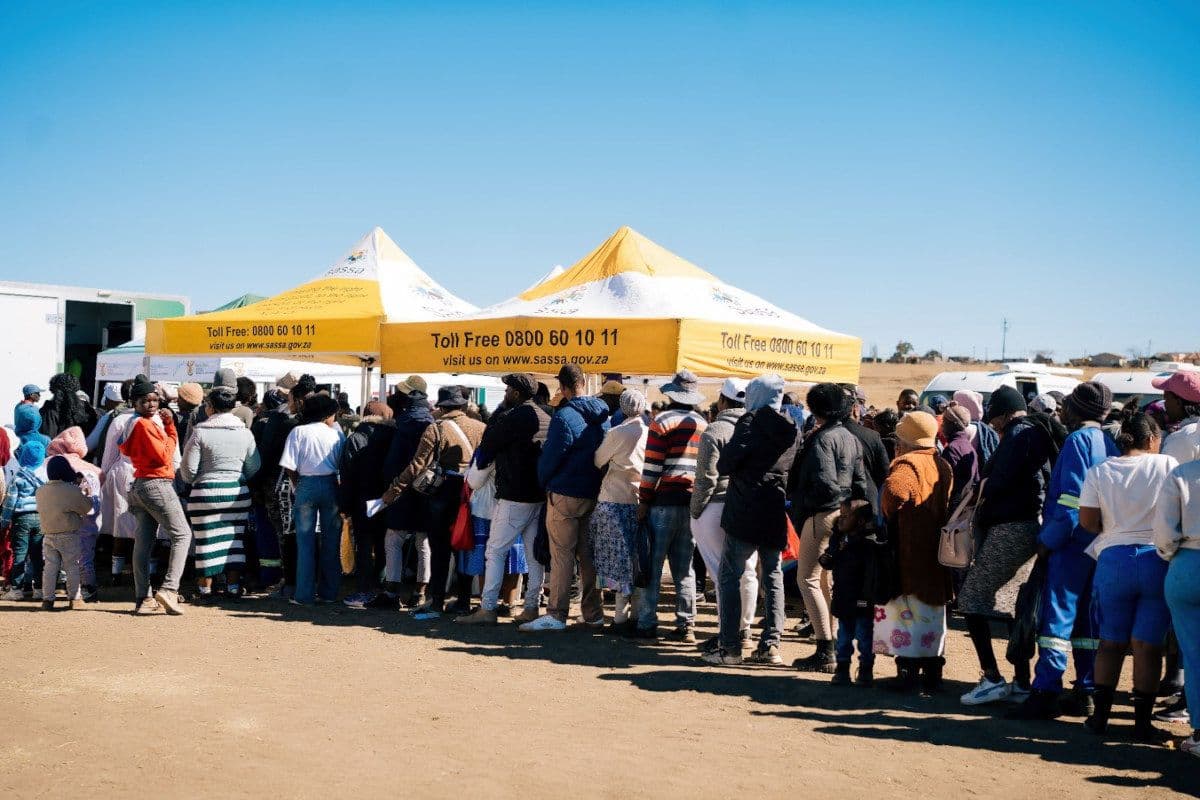
SASSA Sacks Four Officials Amid R33 Million Social Grants Fraud Probe
The South African Social Security Agency (SASSA) has dismissed four officials following their alleged involvement in a R33 million social grants fraud scheme. The dismissals come as the agency continues its efforts to combat corruption and protect vital social welfare funds. This move underscores SASSA's commitment to accountability within its ranks.

Report Indicates Domestic Workers and Checkers Sixty60 Drivers Are Fleeing South Africa
A recent report by BusinessTech.co.za suggests a developing trend of domestic workers and Checkers Sixty60 drivers departing South Africa. The article, captured on July 18, 2026, highlights a concerning movement within key South African labour sectors, though specific reasons or scale remain unquantified in the available data.
Concerns Mount Over AI Harvesting South African Music Without Compensation
A recent report by IOL's Sunday Tribune highlights an emerging issue where artificial intelligence (AI) technologies are 'harvesting' South African music without providing fair compensation to creators. This trend raises serious questions about intellectual property rights and the economic viability for local artists in the rapidly evolving digital landscape.
Standard Bank Ordered to Compensate Woman R5,000 for Unfair Treatment in Car Finance Dispute
Standard Bank has been ordered to compensate a woman R5,000 following a dispute over car finance, citing unfair treatment. This development, reported on July 19, 2026, highlights the ongoing scrutiny of financial institutions' conduct in South Africa's consumer credit market and the mechanisms available for consumer protection.

Junior Boks Crowned U20 World Champions, Coach Foote Hails National Significance
South Africa's Junior Boks have claimed the prestigious U20 world rugby title, a victory that coach Foote declared "means everything to SA." This triumph marks a pivotal moment for the development and future of rugby in the nation.