Limpopo Boy Captivates Vietnam With Spectacular Viral Dance Performance
A young dancer from Limpopo has taken Vietnam by storm, with a video of his stunning dance routine going viral internationally. The performance has sparked widespread pride across South Africa, showcasing the global reach of local talent.
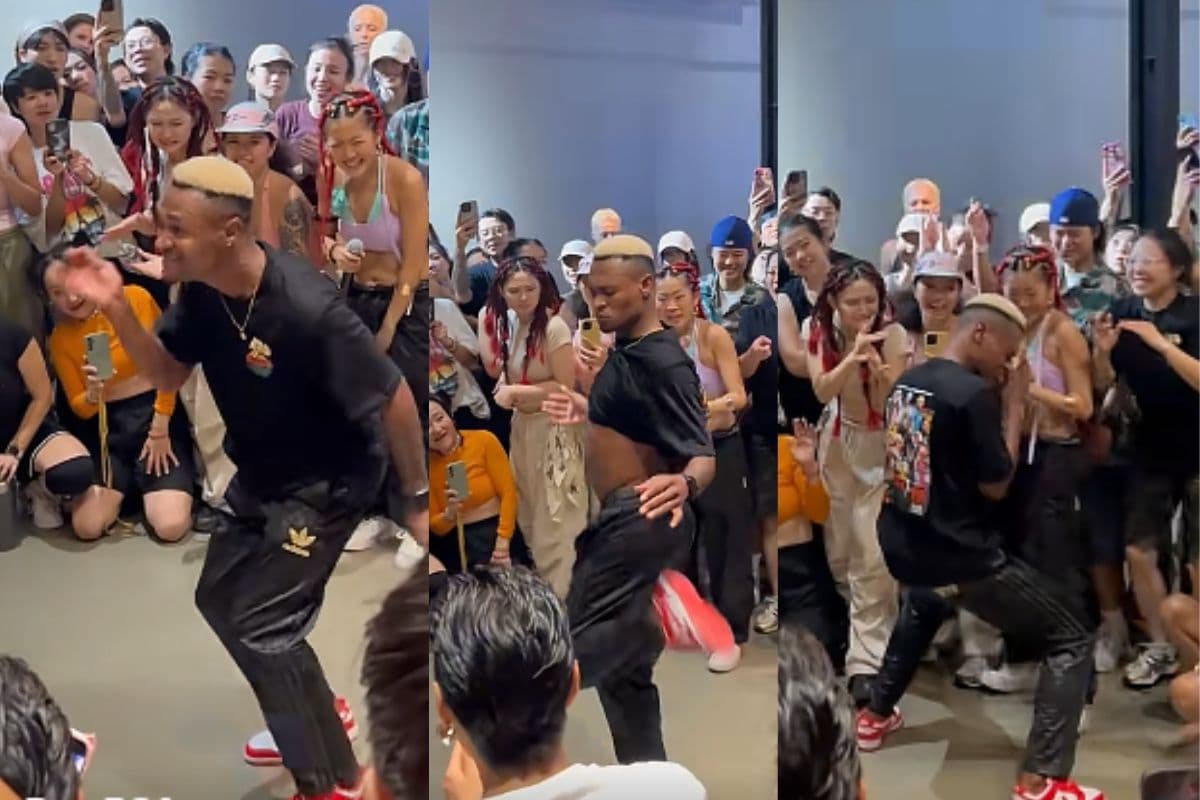
A young dancer from Limpopo has captured international attention after a video of his stunning dance performance in Vietnam went viral. The performance, which has been widely shared online, has highlighted the global appeal of South African dance and cultural expression. The report, first published by South African news portal The South African on 5 September 2026, has quickly gained traction among local social media users celebrating homegrown talent making waves abroad.
According to the initial reports, the young boy, hailing from the Limpopo province, managed to take the Southeast Asian country by storm. While specific details regarding his name, age, and the exact location of his performance in Vietnam remain unconfirmed, the impact of his routine is undeniable. The viral video showcases his rhythm and energy, demonstrating how South African performing arts continue to transcend geographic and linguistic barriers.
As is common with fast-moving viral news, several key pieces of information have yet to be officially verified. It is currently unclear whether the young dancer was visiting Vietnam as part of an official cultural exchange programme, a family holiday, or an organised international talent competition. Furthermore, the specific style of dance he performed—whether it was a contemporary South African street dance style like Amapiano, or a traditional cultural routine—has not been detailed in the initial reports. Journalists and fans alike are eagerly awaiting more context surrounding his journey.
Limpopo has long been a fertile ground for cultural pioneers, musicians, and dancers who have achieved national and international acclaim. From legendary musicians to viral dance sensations, the province continues to establish itself as a powerhouse of South African creative talent. This latest international breakthrough serves as another reminder of the deep well of artistic potential residing in South Africa’s more rural and northern regions, which often receive less initial media spotlight compared to major urban hubs like Johannesburg or Cape Town.
The global fascination with South African dance styles has grown exponentially over the past decade. Local dance moves, often spread via social media platforms, have found enthusiastic audiences across Europe, the Americas, and Asia. This incident in Vietnam highlights a growing trend where Asian audiences are actively embracing African pop culture, music, and choreography. It underscores the soft power of South African street culture, which requires no translation to captivate onlookers thousands of kilometres away.
The role of digital platforms in democratising fame cannot be overstated. In previous generations, an artist from a rural province like Limpopo would have required major agency backing to reach an audience in Vietnam. Today, a single captured moment can elevate an individual to global status overnight. While the digital footprint of this specific performance continues to expand, it raises questions about how young South African talents can be supported and protected as they navigate sudden, international digital fame.
Moving forward, cultural commentators and local communities are hoping to identify the young dancer to ensure he receives the recognition and support he deserves. Many are calling on the Department of Sport, Arts and Culture to take note of such grassroots international exposure, which acts as informal cultural diplomacy for the country. As more details emerge regarding his identity and the story behind his trip to Vietnam, South Africans remain united in their pride for yet another local export shining on the world stage.
Reporting record
How this story was produced
This article was AI-generated from the frozen trend evidence and passed deterministic quality and safety gates. No cross-provider evidence review or independent human verification is claimed for this record.
- Byline
- Newstrends AI Newsroom
- First published
- Last material update
- No later material update recorded
- Distinct source identifiers
- 1 retained source identifier
Frozen source links for this publication
Chronology
Story timeline
A generated chronology for orientation; dates and details may require source verification.
Update
Reports emerge of a young boy from Limpopo taking Vietnam by storm with a viral, stunning dance performance.
Reader file
Frequently asked questions
01Who is the Limpopo boy who went viral in Vietnam?
The specific identity, name, and age of the young dancer from Limpopo have not yet been publicly disclosed in the initial reports.
02Where did the viral performance take place?
The performance took place in Vietnam, though the exact city, venue, or event details remain unconfirmed.
03What style of dance did he perform?
The exact genre of the dance—whether traditional Limpopo cultural dance or modern South African street dance—has not been specified in the early reports.
Keep reading
Related coverage
More published reporting connected to this story.

Born and Bred in SA: Meet Tharina Botes, the South African Making Waves as Miss Universe Thailand
South African-born Tharina Botes has captured local attention after being highlighted as Miss Universe Thailand. The viral news has sparked immense pride and curiosity across South Africa as fans celebrate her international achievement.
Japanese Woman Wins Over South Africans With Natural Limpopo Dance Moves in Viral Video
A viral video of a Japanese woman effortlessly executing Limpopo dance moves has taken South African social media by storm. The impressive performance has sparked widespread admiration and highlighted the global appeal of local dance culture.

WATCH: Limpopo Family Wows Mzansi with Spectacular Helicopter Surprise for Initiation Graduate
A viral video of a Limpopo family welcoming home an initiation graduate with a chartered helicopter has captivated South Africans. The lavish celebration highlights a growing trend of blending traditional cultural milestones with modern luxury.

Romanda Hombir Claims Top Spot at Miss World Pageant Sparking Nationwide Interest
Romanda Hombir has secured a top-tier placement at the Miss World pageant, according to reports emerging on 5 September 2026. The news has quickly gone viral in South Africa, though specific details of her exact placement remain to be confirmed.

Flyover at FNB Stadium? Viral Video Sparks Excitement and Curiosity Across South Africa
A viral report and video teasing a potential flyover at Johannesburg's iconic FNB Stadium have sparked widespread excitement online. While official details regarding the specific event remain unconfirmed, the prospect has reignited South Africa's love for spectacular aerial displays.