Japanese Woman Wins Over South Africans With Natural Limpopo Dance Moves in Viral Video
A viral video of a Japanese woman effortlessly executing Limpopo dance moves has taken South African social media by storm. The impressive performance has sparked widespread admiration and highlighted the global appeal of local dance culture.
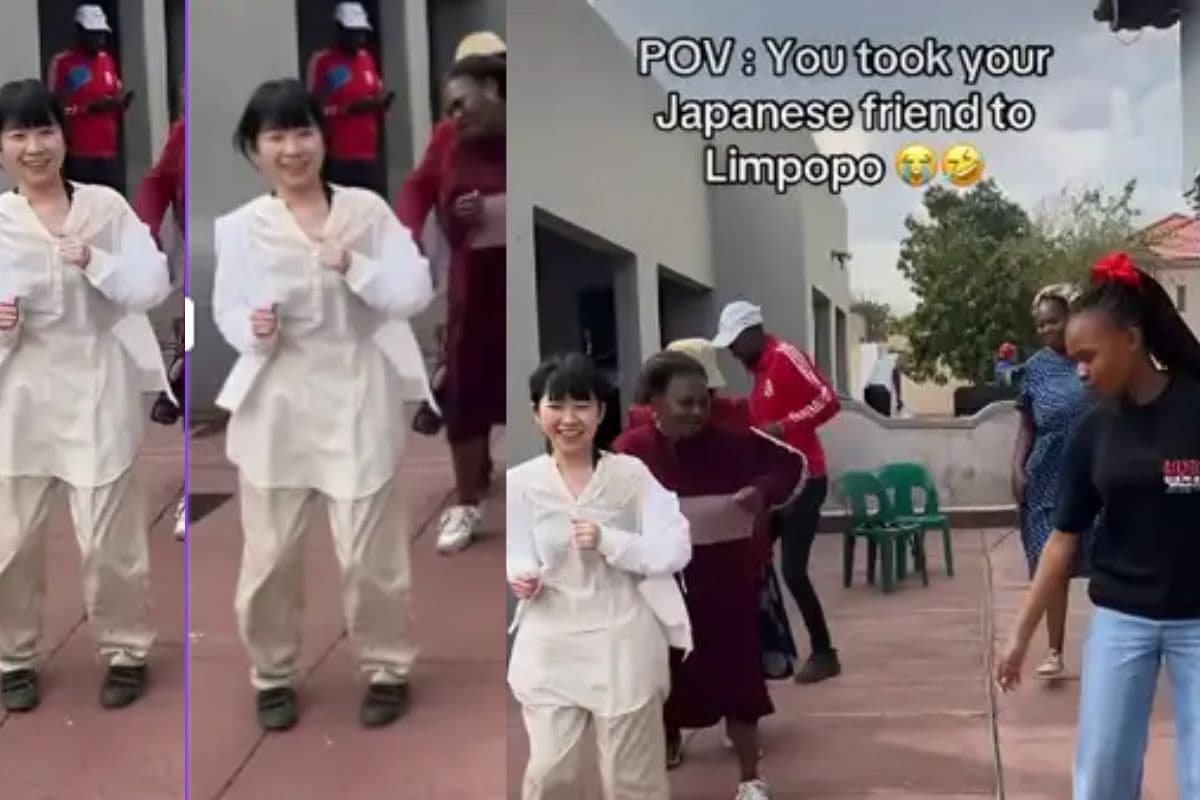
A viral video featuring a Japanese woman showcasing her natural Limpopo dance moves has captured the hearts of South Africans online. The footage, which began circulating widely on 19 August 2026, has sparked widespread admiration across local social media platforms, highlighting the global reach and infectious appeal of South Africa’s diverse cultural heritage.
According to initial reports by local outlet The South African, the woman's fluid and rhythmic execution of the dance moves has left local viewers thoroughly impressed. Many online observers have noted her seemingly innate ability to capture the unique cadence and energy that defines dances from the Limpopo province, a region renowned for its rich artistic and musical contributions to the country.
While the video has rapidly gained traction, several details surrounding the viral sensation remain unconfirmed. The identity of the Japanese dancer has not yet been publicised, and it remains unclear whether she is a professional dancer or an enthusiastic amateur. Furthermore, the exact location where the video was filmed, the specific song she was dancing to, and how she acquired her impressive skills have not been detailed in the initial reports.
Despite these missing details, the video has ignited a broader conversation about the distinctiveness of Limpopo's dance culture. The northern province of South Africa is home to various traditional and contemporary dance forms, often characterised by high-energy footwork, expressive body movements, and a deep connection to the underlying percussion. Seeing these regional movements performed with such precision by someone from East Asia has resonated deeply with South African audiences.
This cross-cultural connection is part of a growing global trend where South African music and dance styles find enthusiastic audiences abroad. In recent years, genres like Amapiano and various regional electronic beats have established strong footholds in international markets, including Japan. The Japanese dance community has frequently shown a keen interest in mastering complex African dance styles, often sharing their progress online to the delight of local creators.
The rapid spread of this video underscores the powerful role that digital platforms play in facilitating international cultural exchange. Without the need for traditional media distribution, a dancer in Japan can access, learn, and perfect regional South African dance styles, bridging a geographical gap of thousands of kilometres. This direct form of cultural appreciation often leads to mutual respect and collaborative artistic ventures.
For South African viewers, such viral moments are typically met with immense pride and a sense of validation for the country's creative output. Local social media users have praised the dancer for her respectful and accurate representation of the style, avoiding caricature and instead delivering a performance that feels authentic and natural.
As the video continues to gather views and shares, many online are eager to uncover the identity of the talented dancer. Observers and cultural enthusiasts will be watching closely to see if the dancer steps forward to share her story, or if this viral moment will inspire further collaborations between South African musicians and international dancers looking to explore the vibrant rhythms of Limpopo.
Reporting record
How this story was produced
This article was AI-generated from the frozen trend evidence and passed deterministic quality and safety gates. No cross-provider evidence review or independent human verification is claimed for this record.
- Byline
- Newstrends AI Newsroom
- First published
- Last material update
- No later material update recorded
- Distinct source identifiers
- 1 retained source identifier
Frozen source links for this publication
Chronology
Story timeline
A generated chronology for orientation; dates and details may require source verification.
Update
The viral video of the Japanese woman dancing is reported by South African media as it gains widespread traction online.
Reader file
Frequently asked questions
01What is the viral Limpopo dance video about?
The video features a Japanese woman performing traditional or contemporary Limpopo dance moves with natural rhythm, earning widespread praise from South African social media users.
02Who is the Japanese dancer in the video?
The exact identity of the dancer, her background, and where she learned the moves have not yet been publicly confirmed in the initial reports.
03When did this video start trending?
The video gained significant traction and was reported on by South African media on 19 August 2026.
Keep reading
Related coverage
More published reporting connected to this story.

Dogs Chase 'Spiderman' and Expose His Identity in Viral Video Capturing South African Attention
A viral video reported by The South African shows an individual dressed as Spiderman being chased by dogs, leading to his identity being revealed. While the humorous footage has gained rapid traction online, specific details about the location and the performer remain unconfirmed.
Resurfaced Video of Smiling Cameron Waldeck-Cooks Sparks Wide Public Interest Online
A resurfaced video clip of a smiling Cameron Waldeck-Cooks has emerged online, drawing significant attention. The video circulates amidst reports of a tragic incident involving St Stithians and an exchange student.

Jayden Adams' Other Baby Mama Claps Back at 'Side Chick' Label in Viral South African Dispute
The other baby mama of Jayden Adams has publicly rejected the 'side chick' label in a developing story that has captured the attention of South African social media users. The dispute highlights ongoing online debates about relationship dynamics and modern co-parenting.

WATCH: Limpopo Family Wows Mzansi with Spectacular Helicopter Surprise for Initiation Graduate
A viral video of a Limpopo family welcoming home an initiation graduate with a chartered helicopter has captivated South Africans. The lavish celebration highlights a growing trend of blending traditional cultural milestones with modern luxury.

Trevor Noah’s SA tourism ad sparks Community Notes war as critics cite xenophobia
A promotional campaign featuring comedian Trevor Noah has sparked an intense online debate on X, with critics raising concerns of xenophobia and triggering a battle over crowd-sourced Community Notes.