Ladysmith Community Unites in Prayer for Six South Africans Missing in Nepal Floods
The community of Ladysmith in KwaZulu-Natal has gathered in prayer for six South Africans reported missing following severe floods in Nepal. As official details remain limited, local residents are offering solidarity to the families awaiting news.
The community of Ladysmith in KwaZulu-Natal has come together in prayer and solidarity for six South South African citizens who have gone missing following devastating floods in Nepal. The news, which emerged on 31 August 2026, has sent shockwaves through the local community, prompting an immediate collective response of hope and faith as families and residents await official updates from rescue teams and government authorities.
At this stage, the verified details surrounding the incident remain limited. It is confirmed that six South Africans are currently unaccounted for in Nepal, a country that has been grappling with severe seasonal flooding. The connection to Ladysmith has mobilised the local community, who have gathered to offer prayers for the safe return of their compatriots. However, the specific identities of the missing individuals, their ages, and their reasons for travelling to Nepal—whether for tourism, trekking, or humanitarian work—have not yet been publicly disclosed in the initial reports.
In situations involving citizens missing abroad, the lack of immediate information can be deeply distressing for families and the wider public. Currently, the exact geographical area in Nepal where the South Africans went missing has not been specified, nor is there detailed information on the precise weather conditions or the timeline of the flooding event that led to their disappearance. Furthermore, the status of local search and rescue operations in the affected Nepalese regions remains unclear, leaving loved ones and community members in Ladysmith holding onto hope through prayer.
The town of Ladysmith, situated in the Uthukela District of KwaZulu-Natal, is no stranger to the devastating power of nature, having historically faced its own severe flooding challenges. This shared understanding of natural disasters may explain the rapid and deeply empathetic response from the local population. When crises strike South Africans abroad, local communities often serve as the primary support structure, uniting across religious and cultural lines to provide comfort and strength to the affected families during agonizing periods of waiting.
In international emergencies of this nature, South Africans typically look to the Department of International Relations and Cooperation (DIRCO) for consular assistance and official updates. While specific diplomatic interventions regarding these six missing individuals have not been detailed in the initial reports, standard consular protocols involve coordinating with South African foreign missions, local authorities in Nepal, and international rescue agencies to trace the missing citizens and establish communication channels for their families.
This developing situation highlights the inherent risks associated with international travel, particularly to regions prone to extreme seasonal weather and natural disasters. For South Africans travelling abroad, registering with the local embassy or utilising consular registration systems is a critical safety measure. It ensures that government authorities can quickly locate and contact citizens in the event of environmental crises, such as the floods currently affecting Nepal.
As the situation unfolds, the focus remains on the search and rescue efforts underway in Nepal. South Africans will be closely watching for official statements from DIRCO, updates from Nepalese disaster management authorities, and further local reports from Ladysmith. The hope is that clearer communication channels will soon provide definitive news on the safety and whereabouts of the six missing citizens, bringing relief to a community currently united in anxious prayer.
Reporting record
How this story was produced
This article was AI-generated from the frozen trend evidence and passed deterministic quality and safety gates. No cross-provider evidence review or independent human verification is claimed for this record.
- Byline
- Newstrends AI Newsroom
- First published
- Last material update
- No later material update recorded
- Distinct source identifiers
- 1 retained source identifier
Frozen source links for this publication
Chronology
Story timeline
A generated chronology for orientation; dates and details may require source verification.
Update
Reports emerge of six South Africans missing in Nepal floods, prompting the Ladysmith community to unite in prayer.
Reader file
Frequently asked questions
01Who are the South Africans missing in Nepal?
The identities, ages, and personal details of the six missing South Africans have not yet been publicly released.
02Where did the incident occur?
The individuals went missing during floods in Nepal, though the exact location within the country remains unspecified in early reports.
03How is the Ladysmith community responding?
The community of Ladysmith in KwaZulu-Natal has united in prayer and solidarity to support the families of those affected during this difficult time.
Keep reading
Related coverage
More published reporting connected to this story.
Dunlop Completes Major R1.7bn Upgrade at Ladysmith Tyre Plant
Tyre manufacturer Dunlop has finalized a massive R1.7 billion upgrade at its Ladysmith production facility. The major industrial investment is expected to bolster local manufacturing capabilities and strengthen the South African automotive supply chain.
Hawks Admit No Breakthrough in Search for Missing Cousins After 21 Months
The Hawks have admitted to having no breakthrough in the search for two missing cousins after 21 months. The update leaves the family in a painful state of limbo as the investigation continues.
Nepal Floods: Four South Africans Still Missing as Death Toll Passes 155
At least four South African citizens remain unaccounted for in Nepal following devastating floods that have claimed over 155 lives. Search and rescue operations are ongoing amidst severe infrastructural damage and communication outages.
How Does Repatriation Work in South Africa? The Process Explained
A guide published on 12 August 2026 outlines the complex administrative process of repatriation in South Africa. The procedure involves coordination between DIRCO and Home Affairs, though many operational details and costs remain complex for citizens abroad.
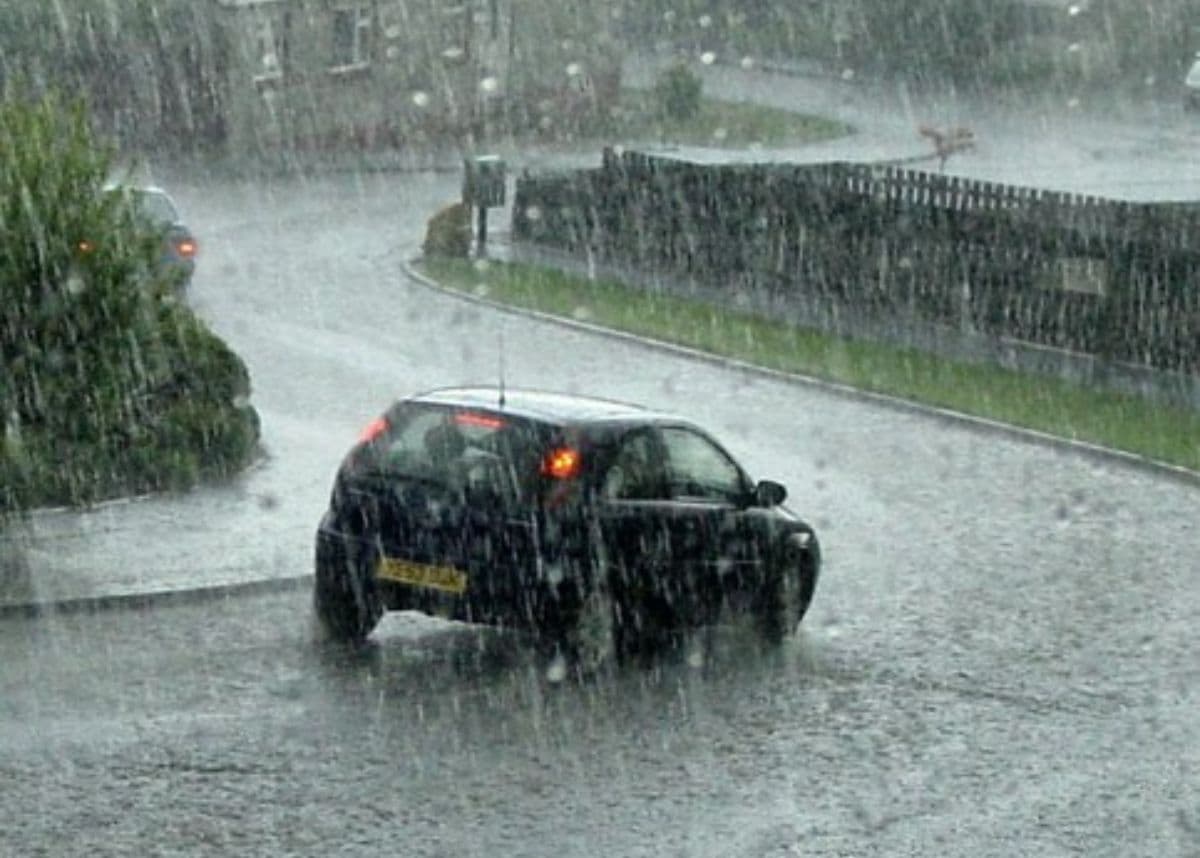
KZN Weather: KwaZulu-Natal Braces for Isolated Showers, Rain and Chilly Conditions
Residents across KwaZulu-Natal have been advised to prepare for a wet and cold spell. Reports indicate that the province is bracing for isolated showers, rain, and chilly winter conditions.