Joburg Launches Strategic Push to Convert Transit Visitors Into Overnight Staying Guests
Johannesburg is embarking on a new tourism drive to encourage transit travellers to extend their stay in the city. While the broad economic goals are clear, key operational details and partnerships remain to be fully disclosed.
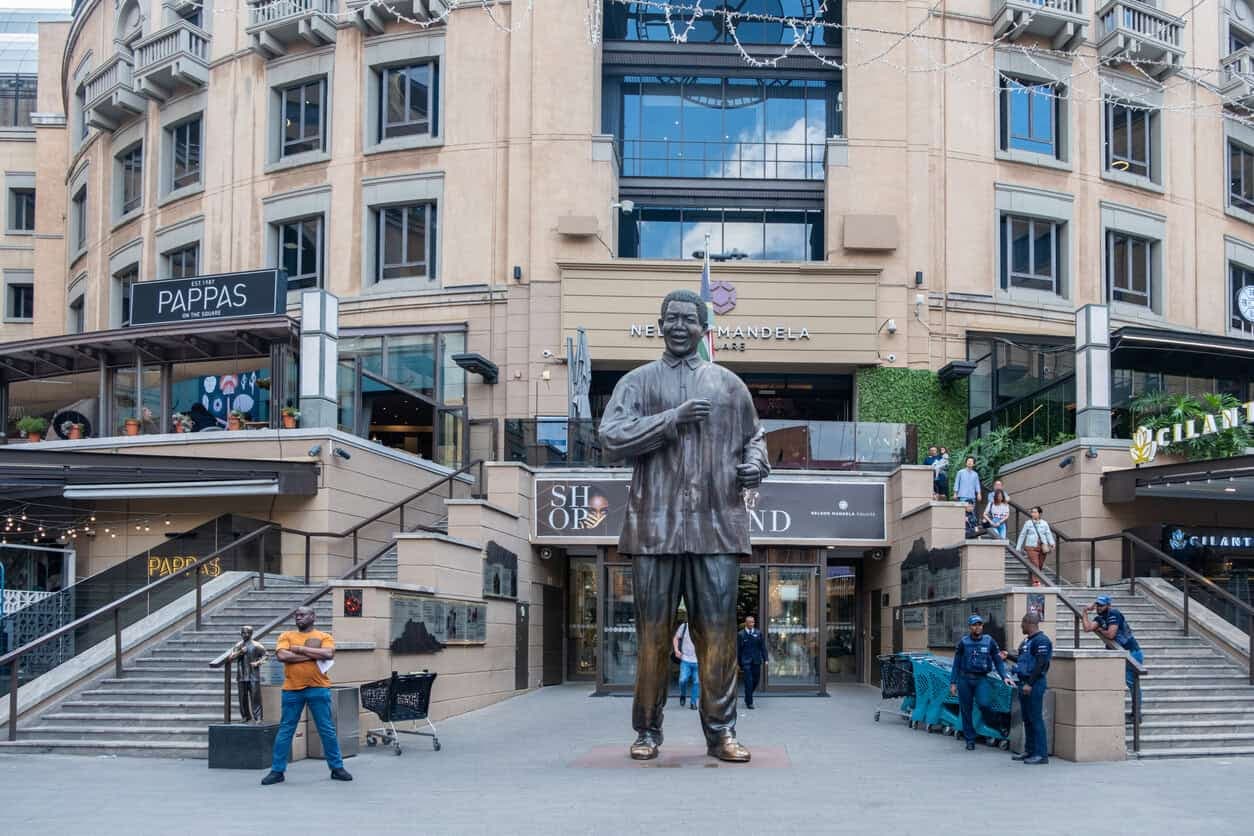
On 24 July 2026, reports emerged of a new initiative in Johannesburg aimed at converting transit travellers into overnight staying guests. This strategic push, highlighted by local media including The Citizen, signals a renewed focus on boosting the city's tourism economy by capturing a market that traditionally only passes through.
Johannesburg has long served as the primary gateway to South Africa and the wider sub-Saharan region. However, a significant portion of international arrivals use the city merely as a stopover before connecting to other domestic or regional destinations, such as Cape Town, the Kruger National Park, or neighbouring countries. Successfully convincing these transit visitors to extend their stay, even for a night or two, could have a substantial economic impact on the local hospitality, retail, and transport sectors.
According to the initial reports published in late July 2026, the campaign represents a targeted effort to address this missed opportunity. While the broad objective of turning transit passengers into active tourists has been established, specific details regarding how this will be achieved remain limited. The initiative points to a growing recognition within the metropolitan tourism structures that the city's transit status must be leveraged more effectively.
As of the initial announcement, several critical operational details have not yet been fully disclosed. It remains unclear which specific government departments, municipal entities, or private sector tourism associations are spearheading this campaign. Furthermore, the exact mechanisms of the push—such as whether it will involve transit visa reforms, discounted layover packages, partnerships with international airlines, or targeted marketing campaigns at arrival terminals—have yet to be detailed by city officials.
For Johannesburg, transitioning from a transit hub to a primary destination is a long-standing challenge. The city boasts rich cultural heritage sites, a vibrant arts scene, and business tourism infrastructure, yet it often struggles to retain leisure travellers who quickly depart for coastal or safari destinations. A coordinated push to capture transit traffic represents a strategic pivot towards maximizing the economic yield per visitor arrival.
If successful, the initiative could provide a much-needed boost to Johannesburg's hospitality sector, particularly hotels and guesthouses located near major transport nodes and business districts. Local tour operators, restaurants, and cultural hubs also stand to benefit if transit tourists are encouraged to explore the city during short layovers. However, the realization of these benefits will depend heavily on the ease of transition from the airport to the city.
For any transit tourism strategy to succeed in Johannesburg, several structural factors must be addressed. Visitors undertaking short stays require seamless, secure, and efficient transport options, such as the Gautrain, to navigate the city safely. Addressing safety concerns and providing clear, accessible information for short-term visitors will be critical components that stakeholders will be watching closely as the strategy unfolds.
Moving forward, industry players and residents will be looking for concrete plans, budget allocations, and timelines from Johannesburg's tourism authorities. Key milestones to watch include the potential launch of official stopover programs in collaboration with major carriers, promotional campaigns targeting transit lounges, and measurable targets for increasing overnight stays. Until these details are formally presented, the local tourism sector remains cautiously optimistic about the potential of this strategic push.
Reporting record
How this story was produced
This article was AI-generated from the frozen trend evidence and passed deterministic quality and safety gates. No cross-provider evidence review or independent human verification is claimed for this record.
- Byline
- Newstrends AI Newsroom
- First published
- Last material update
- No later material update recorded
- Distinct source identifiers
- 1 retained source identifier
Frozen source links for this publication
Chronology
Story timeline
A generated chronology for orientation; dates and details may require source verification.
Update
Local media reports reveal a strategic push by Johannesburg to convert transit visitors into overnight staying guests.
Reader file
Frequently asked questions
01What is the goal of the new Johannesburg tourism initiative?
The initiative aims to convert transit travellers, who usually pass through Johannesburg to other destinations, into overnight guests who stay and spend money in the city.
02What specific details have been released about the campaign?
As of late July 2026, only the broad strategic objective has been reported. Specific details regarding budgets, partnership airlines, transit visa arrangements, or promotional packages have not yet been fully disclosed.
03Why is transit tourism important for Johannesburg?
Johannesburg is a major regional travel hub, but many visitors only use its airports for transfers. Converting these transit passengers into staying guests could significantly boost local hotels, restaurants, and tour operators.
Keep reading
Related coverage
More published reporting connected to this story.
Strandfontein Residents Mobilise to Demand Demolition of Notorious Schaapkraal Drug Den
Residents of Strandfontein are pushing for the demolition of a notorious property in neighbouring Schaapkraal that is allegedly operating as a drug den. The community is calling for permanent structural action to address ongoing safety and crime concerns affecting both suburbs.
Kevin Lerena Raises the Stakes with Major First-Round Knockout Bonuses for Knockout Chaos 2
South African boxing star Kevin Lerena has announced significant financial incentives for fighters securing first-round victories at the upcoming 'Knockout Chaos 2' event. The initiative aims to deliver high-octane action, though key event details and specific bonus amounts remain unconfirmed.
'I Concede I Misled': IDAC's Andrea Johnson's Admission Sparks Urgent Ad Hoc Committee Review
Andrea Johnson of the Investigating Directorate Against Corruption (IDAC) has admitted to misleading authorities, prompting an immediate review by an Ad Hoc Committee. The shocking concession has raised serious questions about institutional integrity and public accountability in South Africa's anti-corruption sector.
Anglo American Reports Strong Q2 Performance in Copper and Iron Ore
Mining giant Anglo American has delivered a strong operational update for the second quarter of 2026, highlighting robust production in its copper and iron ore divisions. The results provide a positive signal for the mining sector amid ongoing global economic shifts.
Tongaat Businessman Horrified After Finding Suffocated Vervet Monkey in Box
A KwaZulu-Natal businessman has been left deeply disturbed after discovering a dead Vervet monkey that suffocated inside a box in Tongaat. The incident has sparked outrage and raised serious concerns over animal cruelty and human-wildlife conflict.