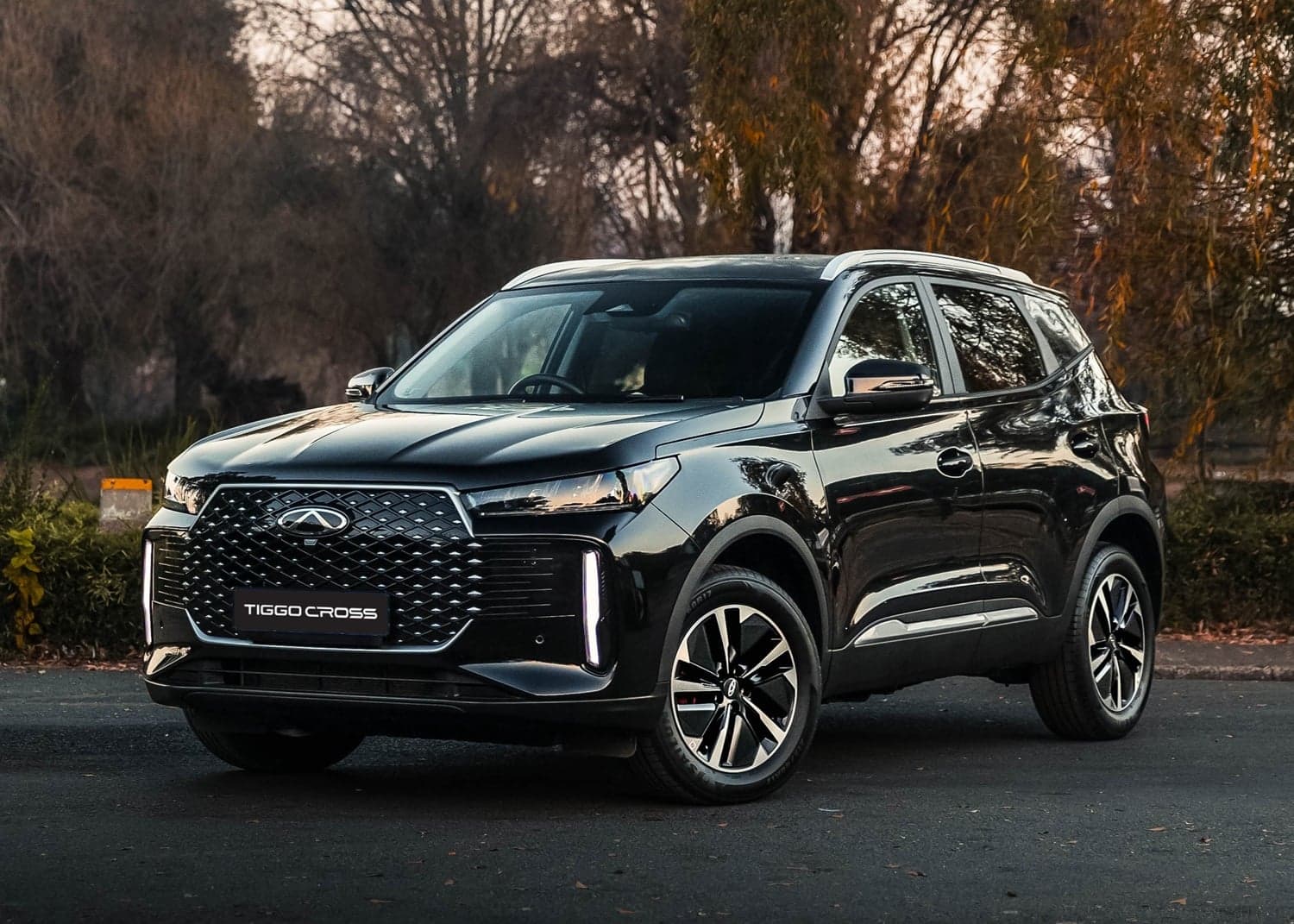
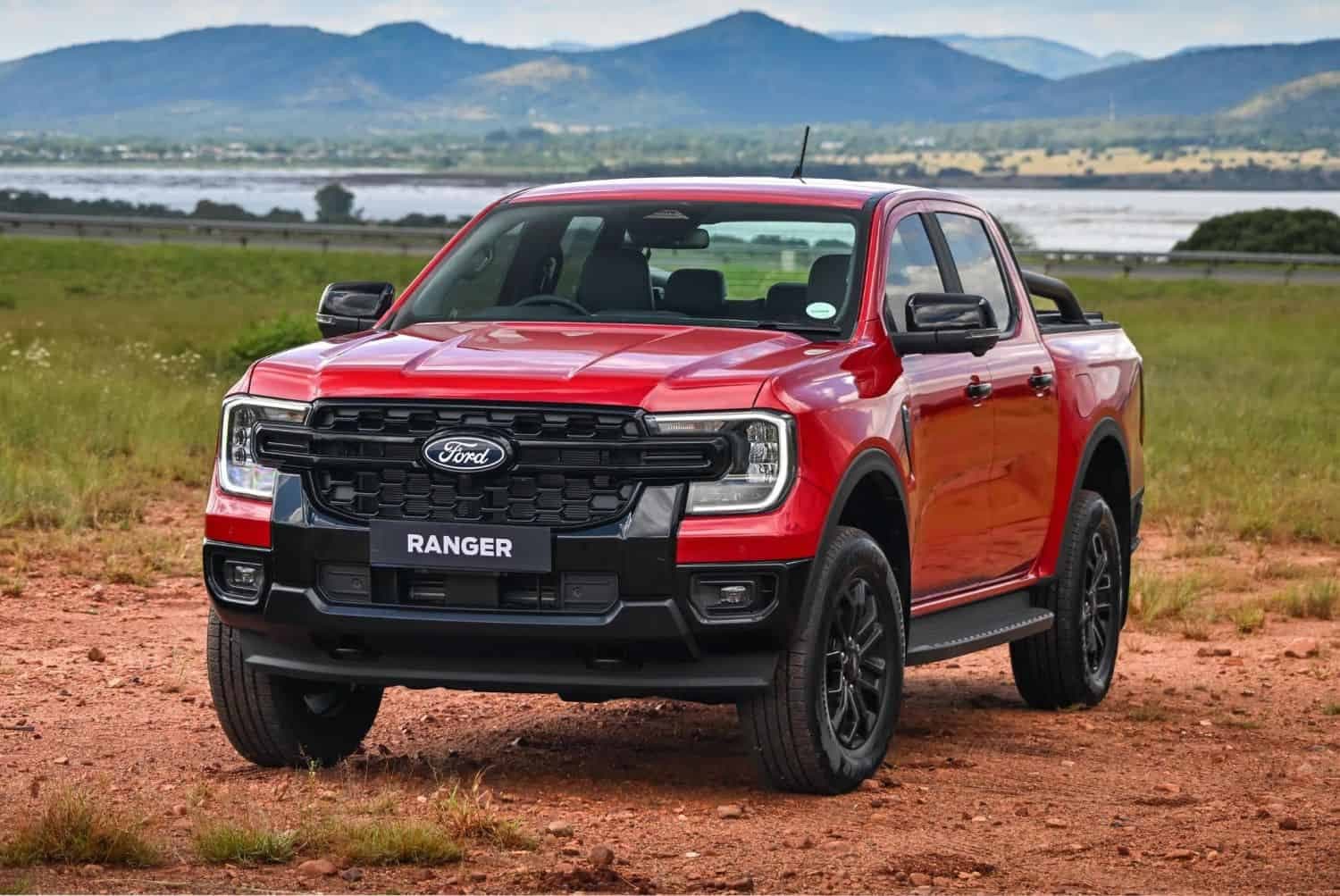
The South African automotive landscape is undergoing a notable shift as New Energy Vehicles (NEVs) steadily gain sales ground across the country. According to recent market indicators captured in August 2026, the local motoring sector is experiencing a clear transition toward cleaner energy alternatives. However, while fully electric options continue to generate significant discussion, it is hybrid vehicles that are currently emerging as the true game-changers for South African consumers and dealerships alike.
The term "New Energy Vehicles" encompasses a broad category of modern automotive technology, including traditional hybrids, plug-in hybrids (PHEVs), and battery electric vehicles (BEVs). The distinction between these technologies is crucial in the South African context. While battery electric vehicles rely solely on external charging infrastructure and battery power, hybrid vehicles combine a conventional internal combustion engine with an electric motor. This dual system allows motorists to experience the benefits of reduced fuel consumption without being entirely dependent on the national electricity grid.
The rising popularity of hybrids highlights the practical realities faced by South African motorists. Factors such as a developing public charging network, concerns over consistent electricity supply, and the upfront cost of fully electric vehicles have positioned hybrids as a highly pragmatic middle ground. For many local drivers, the ability to reduce fuel consumption and carbon emissions without the associated range anxiety of a pure electric vehicle makes hybrids an incredibly attractive proposition.
While the available trend data confirms that NEVs are gaining ground and highlights hybrids as the primary driver of this transition, specific statistical breakdowns remain limited. The precise number of units sold, the year-on-year percentage growth of the NEV sector, and the exact market share held by hybrids compared to fully electric vehicles are not detailed in the initial reports. To fully understand the scale of this shift, industry observers will need to wait for comprehensive quarterly sales releases from local automotive bodies.
The transition to NEVs also carries significant implications for the local manufacturing sector. South Africa is a major hub for automotive manufacturing, exporting vehicles to various international markets, particularly in Europe. As these global export destinations implement stricter emissions regulations, local manufacturers are under pressure to adapt their production lines. The growing domestic appetite for hybrids could provide a vital stepping stone, encouraging local assembly of hybrid models to satisfy both domestic demand and export requirements.
For the average South African consumer, the shift toward hybrid technology is largely driven by economic considerations. Amid fluctuating fuel prices and a high cost of living, the enhanced fuel efficiency of hybrid drivetrains offers immediate, tangible savings at the pumps. Furthermore, because traditional hybrids charge their batteries through regenerative braking and the onboard petrol or diesel engine, they require no changes to daily driving habits or home electrical setups, making them an easy entry point into eco-friendly motoring.
Looking forward, the pace of NEV adoption in South Africa will likely depend on several key factors. Industry stakeholders are closely watching for any potential government policy adjustments, such as reduced import tariffs or incentives for green vehicles, which could make NEVs more affordable. Additionally, the expansion of public charging infrastructure will remain a critical factor for the long-term viability of plug-in hybrids and battery electric vehicles.
In conclusion, while the complete transition to fully electric motoring may still be on the horizon, the South African market is actively embracing the hybrid compromise. By offering a reliable, fuel-efficient, and grid-independent alternative, hybrid vehicles are successfully bridging the gap between traditional motoring and a cleaner automotive future. As more models enter the local market, consumers can expect a wider variety of choices, cementing hybrids as the defining force in South Africa's current automotive evolution.