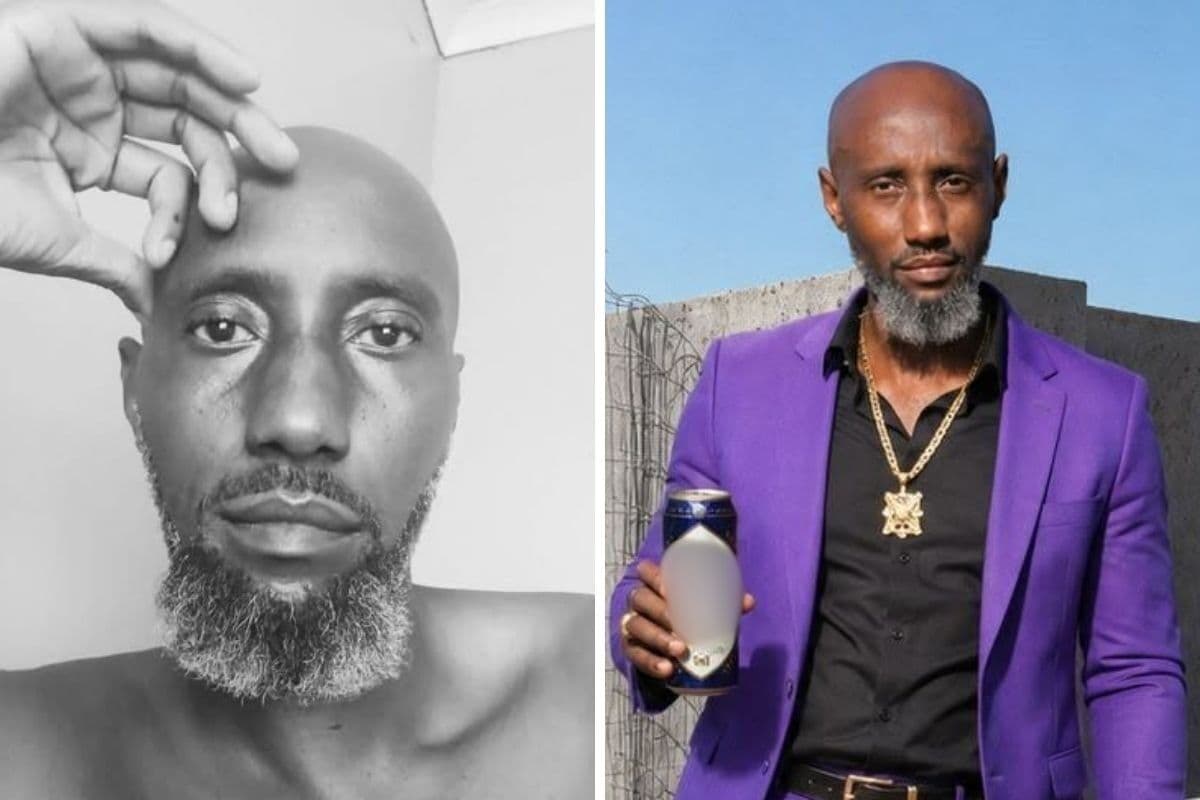
A tragic and highly unusual social media event has captured the attention of South Africans online, following reports of a Limpopo man who scheduled Facebook posts to be published after his suicide. The man, identified in reports as Rapea Nditsheni, left behind a series of automated messages that have since gone viral across the country, sparking widespread shock and emotional reactions from the public. One of the most prominent scheduled posts simply asked his social media network, "How was my funeral?"
The incident, which came to light on 11 September 2026, has highlighted a chilling intersection between mental health struggles and modern digital technology. Social media scheduling features, typically used by businesses and content creators to manage their online presence, were in this instance utilized to leave a lingering digital footprint after death. The automated nature of the posts meant that friends, family, and online followers were confronted with new updates from Nditsheni's profile even after his passing had occurred.
According to report details published by South African media, the viral nature of the posts has led to intense discussion online. The main message questioning how his funeral went has forced many to grapple with the reality of digital legacy and the ways in which people choose to communicate their final moments. For those who knew Nditsheni, receiving these automated notifications presented a distressing and surreal experience, blurring the lines between life, death, and online presence.
While the technical aspects of scheduling posts on platforms like Facebook are straightforward, their application in circumstances involving self-harm is rare and deeply unsettling. Users are able to queue posts hours, days, or even weeks in advance. In this case, the scheduled queue acted as a delayed messaging system, ensuring that Nditsheni's voice continued to echo in the digital space long after he had gone, forcing a public confrontation with his death.
The viral spread of the story has also renewed critical conversations surrounding mental health, isolation, and the signs of distress that may go unnoticed in everyday life. Many South Africans online have expressed deep sadness over the tragedy, pointing out that the calculated planning of social media posts indicates a profound level of premeditation and distress. The event has prompted many to call for greater empathy and active checking-in on friends and family members who may be quietly struggling.
Currently, several key details surrounding the tragedy remain unconfirmed. It is still unclear exactly when the posts were scheduled or the precise timeline of events leading up to Nditsheni's death. Furthermore, official statements from local law enforcement authorities in Limpopo or representatives from Nditsheni’s family have not been widely detailed in initial reports. Observers are waiting to see if further information will be released regarding the circumstances of his passing.
As the digital age continues to evolve, social media platforms are increasingly forced to deal with the complexities of user accounts after death. Facebook and other networks have established policies for "memorialising" accounts or appointing legacy contacts, but the issue of active, pre-scheduled posts remains a challenging grey area. This incident may prompt further scrutiny into how social media companies manage scheduled content from accounts that are reported deceased.
For now, the South African public remains deeply moved by the tragic loss of Rapea Nditsheni. The haunting question left on his profile serves as a stark reminder of the human lives behind the digital screens. As the community in Limpopo and the broader public mourn, the story stands as a sombre reflection on the modern realities of grief, memory, and the digital echoes we leave behind.