How Much Does a Family Trip to Victoria Falls Cost? What South African Travellers Need to Know
With Victoria Falls trending as a top regional destination for South Africans, families are searching for the true cost of a getaway. Here is a breakdown of the key expenses, SADC discounts, and budgeting factors to consider.
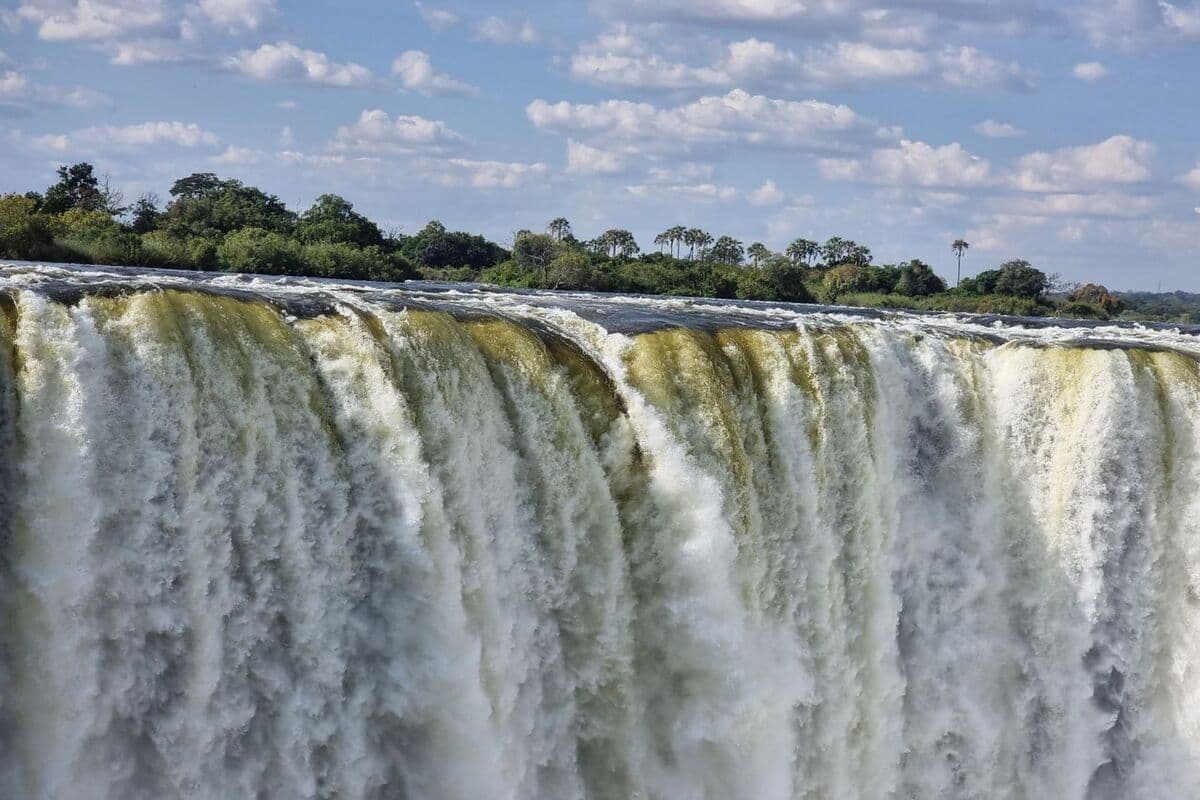
South African travellers are increasingly looking across the border for their next family getaway, with a significant surge in interest regarding the financial feasibility of visiting one of Africa’s greatest natural wonders. According to search and media trends captured in September 2026, the question of how much it costs to take a family to Victoria Falls has become a highly searched topic among local holidaymakers. As families seek to balance the desire for adventure with realistic household budgets, understanding the cost components of a regional trip has never been more relevant.
Victoria Falls, situated on the border of Zimbabwe and Zambia, has long been a favoured destination for South Africans. Its geographical proximity means it offers an international travel experience without the need for long-haul flights. However, because regional travel expenses are often priced in foreign currencies or subject to fluctuating exchange rates, South African families are doing their homework before booking. The viral nature of this query highlights a growing consciousness among consumers who want to maximise their hard-earned Rands.
While a single, all-inclusive price tag for a family trip remains elusive due to the highly customisable nature of travel, several key cost categories dictate the final budget. For South African families planning this journey, the primary expenses can be broken down into transport, accommodation, park entry fees, and daily activities. Understanding how these elements interact is essential for anyone trying to estimate the total cost of a holiday to the "Smoke that Thunders."
Transport is typically the largest upfront expense. For South Africans, options include flying directly from major hubs such as Johannesburg or Cape Town to Victoria Falls Airport in Zimbabwe or Harry Mwanga Nkumbula International Airport in Zambia. Alternatively, some families opt for self-drive routes through Botswana or Zimbabwe. While driving reduces direct transport costs for larger groups, it adds expenses like cross-border vehicle permits, fuel, and overnight stops, making flights the more convenient but costlier choice.
When it comes to accommodation, the options around Victoria Falls cater to a wide range of budgets, from self-catering chalets to luxury safari lodges. For South African passport holders, there is a distinct advantage to keep in mind: regional tourism initiatives. Visitors from Southern African Development Community (SADC) countries often qualify for discounted entry rates at the Victoria Falls national parks. This SADC discount is a crucial factor that families should verify, as it can significantly lower the cost of viewing the falls.
Another major variable is the cost of activities and daily living. Victoria Falls is known as an adventure capital, offering everything from scenic helicopter flights and sunset boat cruises on the Zambezi River to guided tours. Because many of these activities are priced in US Dollars (USD), South African travellers must remain mindful of the ZAR-to-USD exchange rate. Even minor fluctuations can have a notable impact on a family's daily spending power when converting Rands for meals and tours.
Because specific package deals and flight prices change rapidly depending on the season, travel dates, and school holidays, exact real-time costs remain unclear without direct consultation with travel operators. Peak travel seasons, which align with the high-water period of the falls and South African school holidays, naturally command higher prices. Conversely, travelling during the low-water or "green" season can offer substantial savings, though the visual experience of the falls themselves will differ.
Ultimately, the trending interest in the cost of a family trip to Victoria Falls underscores a broader trend of South Africans seeking high-value, regional travel experiences. By carefully weighing the costs of flights, leveraging SADC visitor discounts, and budgeting for USD-priced activities, local families can determine whether this iconic destination fits within their financial plans. As travel patterns continue to evolve, staying informed about regional travel requirements will remain key for South African adventurers.
Reporting record
How this story was produced
This article was AI-generated from the frozen trend evidence and passed deterministic quality and safety gates. No cross-provider evidence review or independent human verification is claimed for this record.
- Byline
- Newstrends AI Newsroom
- First published
- Last material update
- No later material update recorded
- Distinct source identifiers
- 1 retained source identifier
Frozen source links for this publication
Chronology
Story timeline
A generated chronology for orientation; dates and details may require source verification.
Update
Data reveals a surge in online searches from South Africans calculating the cost of a family holiday to Victoria Falls.
Reader file
Frequently asked questions
01Do South Africans get discounts at Victoria Falls?
Yes, South African passport holders often qualify for discounted Southern African Development Community (SADC) regional rates for national park entry fees.
02What currency is used for activities at Victoria Falls?
Many activities, tours, and park fees around Victoria Falls are priced in US Dollars (USD), meaning South African travellers should budget with exchange rates in mind.
Keep reading
Related coverage
More published reporting connected to this story.
How an Mdantsane Post-Lockdown Escape Evolved Into a Key Township Tourism Attraction
A local initiative in Mdantsane, Eastern Cape, born as a post-lockdown escape, has successfully transitioned into a recognized township tourism attraction. This grassroots venture reflects a growing national trend toward domestic and community-based travel experiences. The development highlights the economic potential of township tourism in South Africa's post-pandemic recovery.
Gauteng family sues Qatar Airways for over R2m after visa typo grounds Japan trip
A Gauteng family has launched a massive legal claim against Qatar Airways after being barred from boarding their flight to Japan. The airline allegedly denied them boarding due to a typographical error on a visa document.
Mzwandile Stick Anticipates Classic All Blacks Attack Ahead of Pivotal FNB Stadium Test
Springbok assistant coach Mzwandile Stick expects the All Blacks to maintain their signature attacking style in the upcoming Test at FNB Stadium. As preparations intensify, rugby fans are bracing for a high-stakes encounter in Johannesburg.
Chilli Garlic Prawns Trend Highlights South Africa's Growing Appetite for Quick Gourmet Dinners
A viral lifestyle feature from Independent Online (IOL) has sparked widespread interest in chilli garlic prawns as a fast and impressive dinner solution. The trend highlights a growing demand among South Africans for quick, flavourful meals that fit busy modern lifestyles.

FNB Art Joburg 2026: Exploring Champagne, Camera Obscuras, and Women's Roles in Liberation
The upcoming FNB Art Joburg 2026 art fair is set to blend luxury, optical art history, and deep political reflection. The event promises a multi-sensory exploration of women's contributions to liberation alongside classical visual technologies.