Geely E5 Review: Chinese Brand's Hybrid and Electric SUVs Make a Strong Case in South Africa
A new road test review of the Geely E5 suggests the Chinese automaker's hybrid and electric SUV lineup has significant appeal for South African motorists. The review, published on 22 October 2026, points to a range of compelling qualities across Geely's electrified vehicle offerings. As the local new-energy vehicle market continues to evolve, Geely appears to be positioning itself as a serious contender.
Geely, the Chinese automotive giant that already owns or holds stakes in brands such as Volvo, Polestar, and Lotus, is making further inroads into the South African market with its E5 model — an electrified SUV that has drawn positive attention from motoring reviewers. A road test review published by IOL Motoring on 22 October 2026 concluded that Geely's hybrid and electric SUVs have plenty going for them, suggesting the brand is building a credible case for itself among local car buyers.
The review, which appears on IOL's dedicated motoring road-test section, covers the Geely E5 specifically but speaks more broadly to the strength of Geely's electrified SUV portfolio. While the full details of the assessment are contained in the original article, the headline framing — that these vehicles have "plenty going for them" — signals a broadly favourable reception from the reviewer.
For South African consumers, the timing of this kind of review matters. Load-shedding concerns have historically complicated the case for fully electric vehicles, making hybrid options particularly attractive for drivers who want to reduce their fuel dependency without relying entirely on the country's strained electricity grid. An SUV that can operate effectively as a hybrid addresses a very practical local anxiety, and Geely's decision to offer both hybrid and fully electric variants under the same E5 or related lineup gives buyers meaningful flexibility.
Geely is not a newcomer to South Africa, but the brand has been working steadily to raise its profile here as competition among Chinese automotive marques intensifies. Rivals including BYD, Chery, Haval, and GWM have all been aggressively expanding their local footprints, and the new-energy vehicle segment — encompassing battery electric vehicles and plug-in or mild hybrids — is arguably the fastest-moving battleground in the South African motor industry right now. A positive review of the E5 could help Geely differentiate itself in an increasingly crowded field.
The E5 model name places the vehicle within Geely's broader electric and electrified architecture. Geely's parent company has invested heavily in new-energy vehicle technology globally, and the E5 is understood to represent part of that push into emerging and developing markets where affordability, practicality, and adaptability to local infrastructure conditions are key purchasing criteria. South Africa fits that profile closely.
What remains unclear from the available trend data is the specific pricing of the E5 in the South African market, the precise technical specifications reviewed — such as battery range, engine configuration, or charging capabilities — and whether the reviewer's assessment extended to after-sales support and parts availability, which remain persistent concerns for buyers considering newer Chinese brands. These details would be important for any prospective buyer doing due diligence before committing to a purchase.
It is also worth noting the broader context for Geely in South Africa. The company's association with Volvo has lent it a degree of credibility among consumers who might otherwise be sceptical of a Chinese-origin brand. As Geely continues to invest in quality, technology, and design — evident in its global product range — that reputation is likely to strengthen, particularly if vehicles like the E5 continue to receive favourable independent assessments.
For South African motorists watching the new-energy vehicle space, the Geely E5 review is another data point in what is becoming a rapidly shifting landscape. Buyers who have been waiting for hybrid and electric SUVs that genuinely suit local conditions — in terms of pricing, practicality, and performance — appear to have more options than ever before. Whether Geely can convert positive press into sustained sales volumes remains to be seen, but reviews like this one suggest the brand is moving in the right direction.
Motoring enthusiasts and prospective SUV buyers would do well to follow upcoming comparative tests that pit the E5 and its Geely stablemates against direct rivals from BYD, Haval, and established Japanese and European hybrid brands. Those head-to-head assessments will provide a clearer picture of where Geely truly stands in South Africa's evolving automotive market.
Reporting record
How this story was produced
This article was AI-generated from the frozen trend evidence and passed deterministic quality and safety gates. No cross-provider evidence review or independent human verification is claimed for this record.
- Byline
- Newstrends AI Newsroom
- First published
- Last material update
- No later material update recorded
- Distinct source identifiers
- 1 retained source identifier
Frozen source links for this publication
Chronology
Story timeline
A generated chronology for orientation; dates and details may require source verification.
Update
IOL Motoring publishes a road test review of the Geely E5, concluding that Geely's hybrid and electric SUVs have plenty going for them in the South African market.
Reader file
Frequently asked questions
01What is the Geely E5?
The Geely E5 is an electrified SUV produced by Chinese automaker Geely, available in hybrid and fully electric variants, and recently reviewed for the South African market.
02How does the Geely E5 suit South African conditions?
Its hybrid variant is seen as particularly well-suited to South Africa, where load-shedding makes full reliance on electric charging infrastructure challenging for many drivers.
03Where was the Geely E5 review published?
The review was published by IOL Motoring on 22 October 2026, as part of the outlet's road-test series.
04What are the main competitors to the Geely E5 in South Africa?
Key competitors in the South African hybrid and electric SUV segment include BYD, Haval, Chery, GWM, and established Japanese and European hybrid brands.
Keep reading
Related coverage
More published reporting connected to this story.

RMI’s Louis van Huyssteen Discusses the Rise of Electric Vehicles on Business Talk
Louis van Huyssteen of the Retail Motor Industry Organisation (RMI) recently joined Business Talk to discuss the accelerating shift towards electric vehicles in South Africa. The discussion highlights the critical adjustments required by the local automotive aftermarket and retail sectors as electric mobility gains traction.
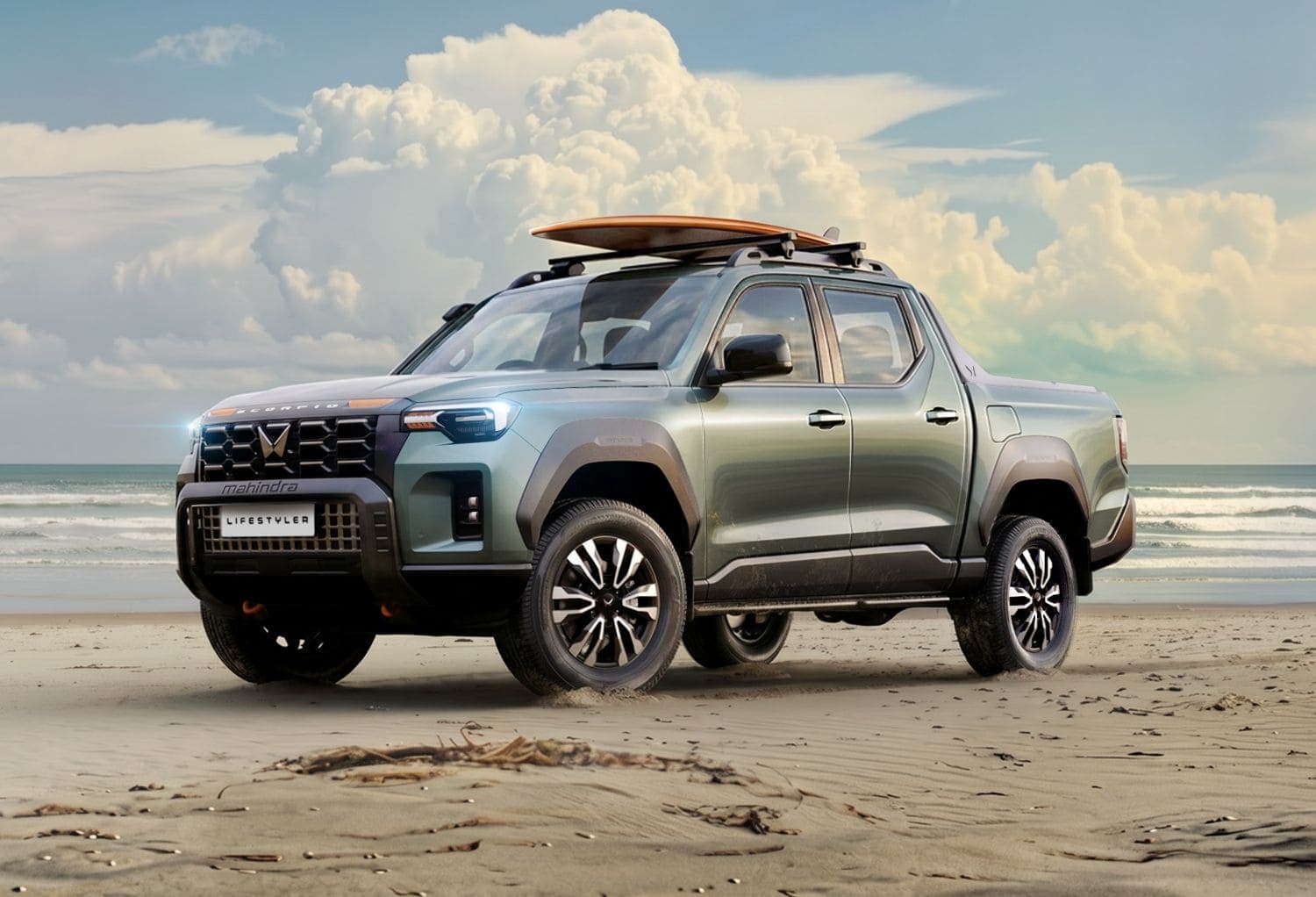
Mahindra Lifestyler Bakkie Sets Sights on Isuzu D-Max in South Africa
A new podcast reveals Mahindra's ambitious plans to challenge the established Isuzu D-Max with its upcoming Lifestyler bakkie. While official specifications remain unconfirmed, the move signals a major shift in the competitive South African motoring market.
Jaecoo J5 BEV Set for South African Arrival: What We Know So Far About the New Electric SUV
The upcoming arrival of the Jaecoo J5 BEV marks a significant step for the brand's expansion in South Africa. While official specifications and pricing are still awaited, the new electric SUV is poised to join the country's growing new energy vehicle market.
Young South African Driver Makes History at Africa's First Rotax E10 Mini Challenge
A young South African racer has secured a historic victory at the continent's inaugural Rotax E10 Mini Challenge. The groundbreaking event marks a major milestone for electric motorsport and youth development in Africa.
New Report Outlines the Consumer Profile of South Africa’s Electric Car Buyers
A newly published report by The South African explores the demographics and driving factors behind electric vehicle buyers in the country. The analysis highlights a growing shift in the local automotive market as businesses seek to understand who is leading the transition to electric mobility.