Gayton McKenzie Accused of Another 'Insensitive' Post as Public Demands Clarity
South African political figure Gayton McKenzie is reportedly facing public backlash over an alleged 'insensitive' online post. While the precise details of the message remain unconfirmed, the incident has reignited national debates regarding the digital conduct of public officials.
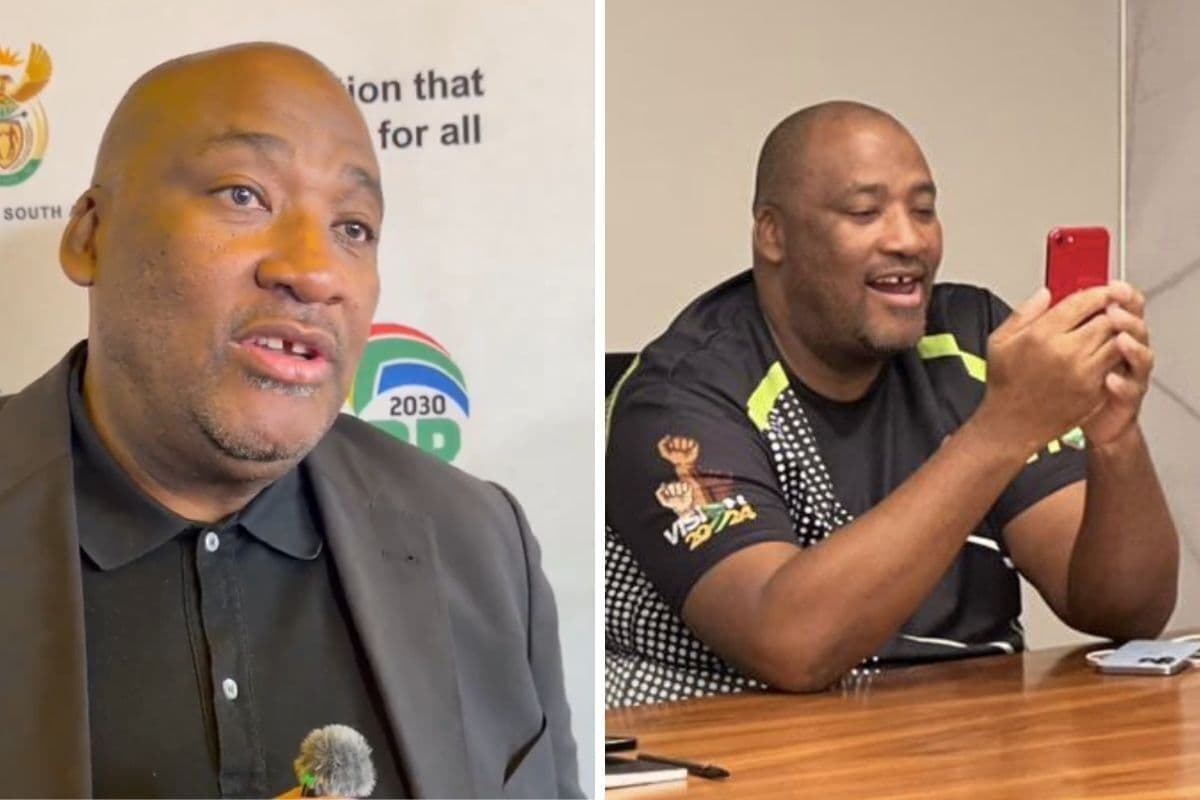
On 15 August 2026, reports emerged indicating that South African political figure Gayton McKenzie is facing renewed public backlash over what has been described as another "insensitive" online post. The controversy, initially highlighted by local news and lifestyle outlet The South African, has quickly captured public interest, drawing attention once again to the scrutiny faced by prominent political leaders regarding their digital communications.
At the time of reporting, the exact contents of the alleged post and the specific social media platform on which it was shared have not been fully disclosed in the primary reports. This lack of immediate detail has left many South Africans seeking clarity on what was written and the context surrounding the remarks. What remains clear, however, is that the communication has rapidly drawn accusations of insensitivity, marking another chapter in the public's intense monitoring of political figures online.
The use of the term "another" in the initial reports suggests a pattern or previous instances where McKenzie’s public statements or social media interactions have drawn criticism from the public or political observers. In the South African political landscape, leaders frequently utilise platforms such as X (formerly Twitter) and Facebook to communicate directly with the electorate. While this direct line of communication allows for rapid engagement, it also exposes politicians to immediate pushback when their remarks are perceived as inappropriate or divisive.
In South Africa, the standards for public decorum among political leaders and government representatives are highly contested. Citizens and civil society organisations routinely demand high levels of accountability and sensitivity from leaders, particularly on issues touching on social development, economic disparities, and national unity. When a high-profile figure like McKenzie is accused of insensitivity, it often ignites broader national debates about the responsibilities of public leadership and the boundaries of acceptable public discourse.
The role of media outlets in highlighting these social media controversies is crucial for public awareness. However, as the story develops, the media and the public alike face the challenge of verifying the context of the alleged post. Observers note that in the fast-paced digital news cycle, initial accusations can spread rapidly before the accused party has had an opportunity to clarify their intent or offer a formal response.
The implications of such accusations can vary significantly depending on the details that eventually emerge. For any political figure, repeated allegations of insensitivity can impact public trust, influence political alliances, and shape media narratives. Conversely, supporters often view such controversies as politically motivated or exaggerated, leading to polarised reactions across different segments of the South African public.
Moving forward, observers will be watching closely for a formal statement from Gayton McKenzie or his representatives to address the accusations. Key questions remain unanswered: what was the specific topic of the post, what prompted the communication, and how will his political organisation respond? Additionally, the public will monitor whether this incident leads to any formal complaints or further political fallout, as South Africans continue to demand transparency and respect from their public figures.
Reporting record
How this story was produced
This article was AI-generated from the frozen trend evidence and passed deterministic quality and safety gates. No cross-provider evidence review or independent human verification is claimed for this record.
- Byline
- Newstrends AI Newsroom
- First published
- Last material update
- No later material update recorded
- Distinct source identifiers
- 1 retained source identifier
Frozen source links for this publication
Chronology
Story timeline
A generated chronology for orientation; dates and details may require source verification.
Update
Reports emerge on local media outlets, including The South African, accusing Gayton McKenzie of publishing another 'insensitive' post.
Reader file
Frequently asked questions
01What is Gayton McKenzie accused of?
According to reports from local media, Gayton McKenzie is accused of sharing an 'insensitive' post online, though the exact details of the post have not been officially confirmed.
02When did this controversy emerge?
The reports regarding the alleged post emerged on 15 August 2026.
03Has Gayton McKenzie responded to these accusations?
At the time of reporting, there has been no official statement or clarification from Gayton McKenzie regarding the allegations.
Keep reading
Related coverage
More published reporting connected to this story.
Gayton McKenzie shares heartbreaking update on sick son: ‘Prepare for the worst’
South African politician Gayton McKenzie has opened up about his son's severe illness in an emotional public statement. The Patriotic Alliance leader urged supporters to prepare for the worst as the family navigates this challenging time.
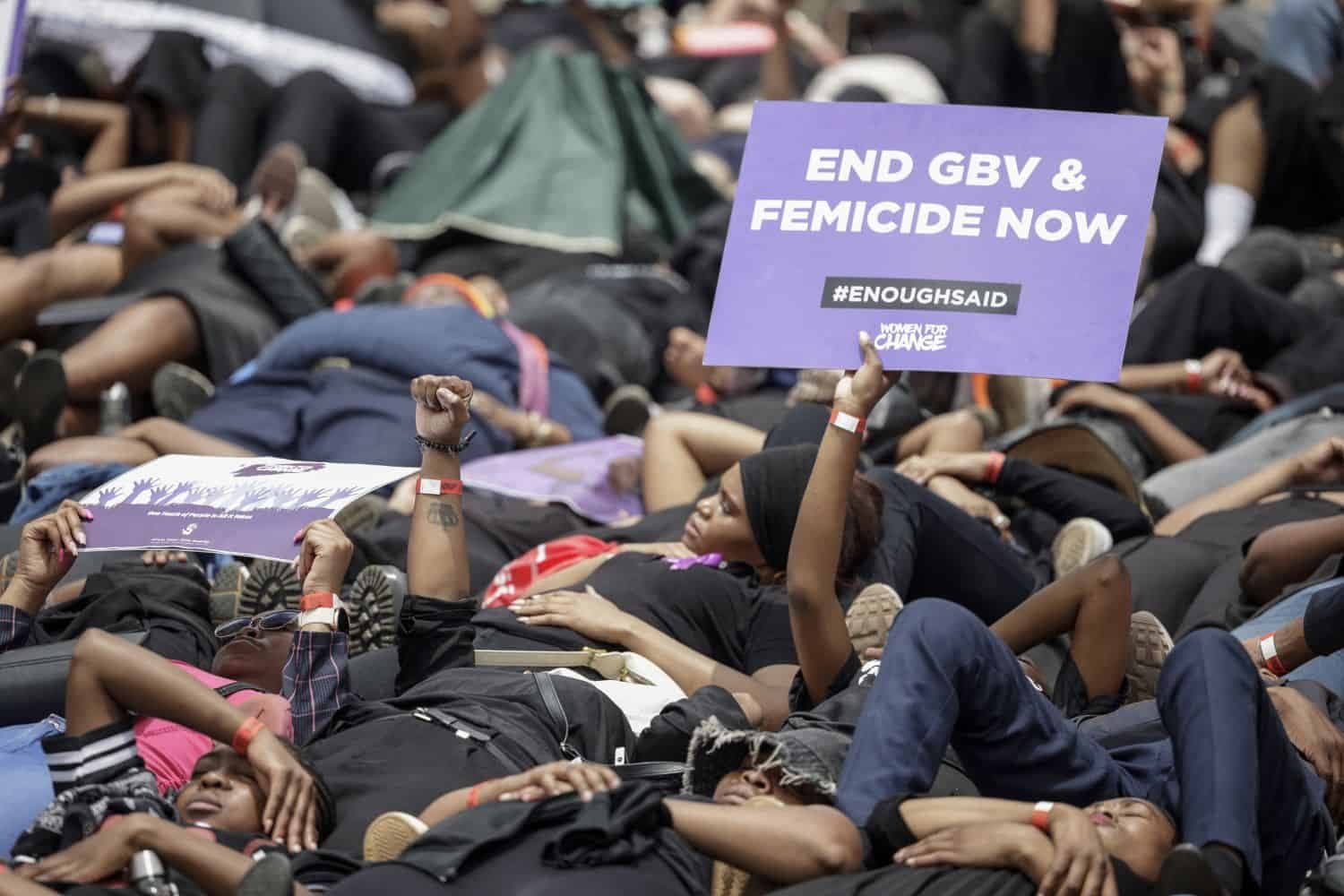
Cosatu Slams New GBVF Council Line-Up as Another 'Bums-on-Seats' Body
The Congress of South African Trade Unions (Cosatu) has strongly criticized the newly announced Gender-Based Violence and Femicide (GBVF) council line-up. The federation dismissed the structure as a 'bums-on-seats' body, raising concerns over the country's institutional fight against gender-based violence.

Why Private Immigration Enforcement Costs South Africa Dearly, Warns New Report
An opinion piece published by The Citizen warns of the severe societal and economic costs when private actors take immigration law into their own hands. The development highlights the ongoing tension between state-led enforcement and informal community policing in South Africa.

South Africa Urged to Prioritise Child Welfare Over Political Promises
An opinion piece published by The Citizen calls on South Africa to put children before promises. The commentary highlights the critical need for actionable child protection measures over empty political rhetoric.
Gayton McKenzie Vows to Protect Jayden Adams’s Partner Aqueelah Adendorf Amid Death Threats
Gayton McKenzie has publicly pledged to protect Aqueelah Adendorf, the partner of the late Jayden Adams, following severe online trolling and death threats. The threats emerged around the time of Adams's funeral, raising concerns over cyber-harassment in South Africa.