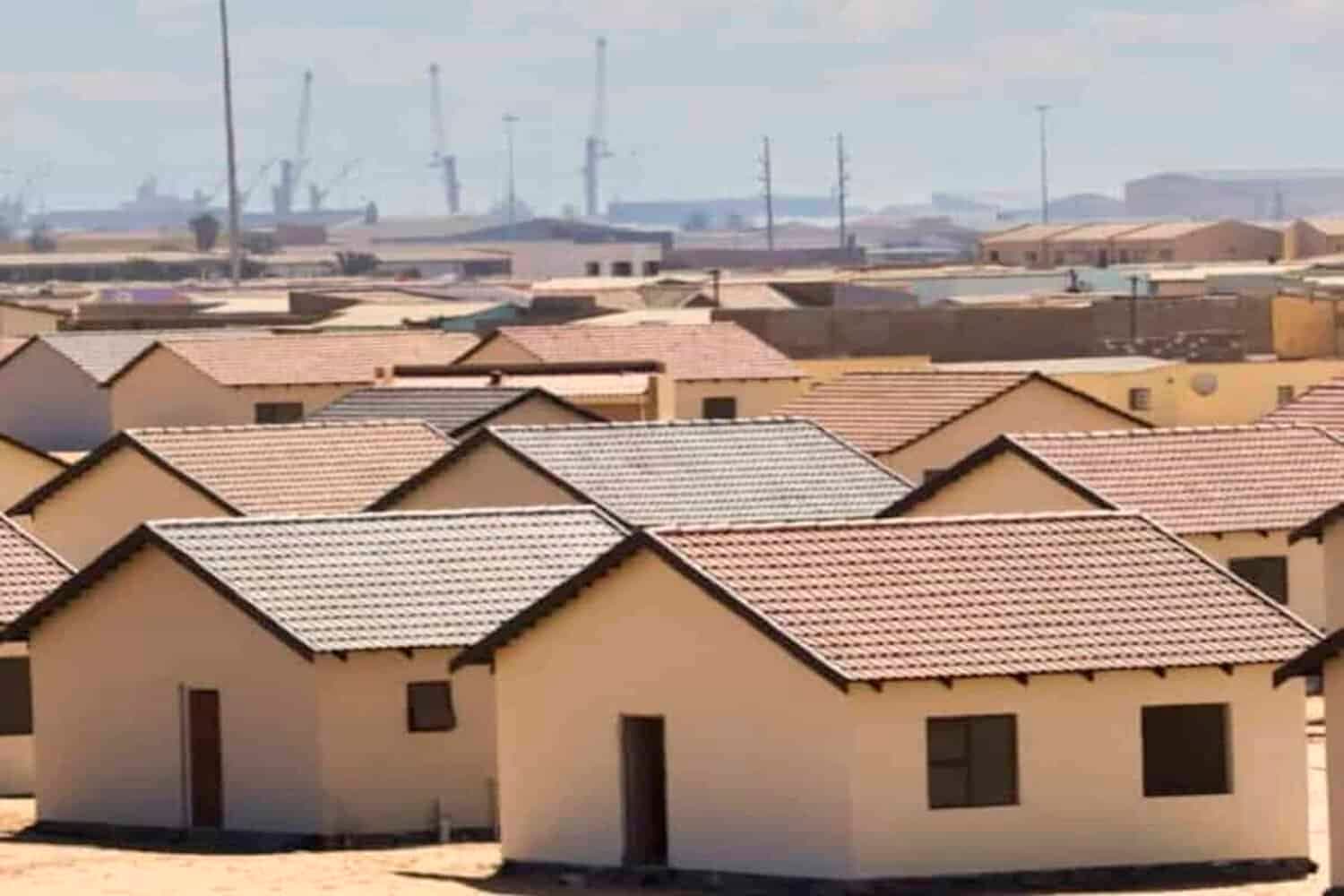
On 14 September 2026, reports emerged highlighting a critical challenge in Gauteng's residential development sector, where housing projects have been illegally invaded. This development comes at a highly sensitive time, as legitimate, approved beneficiaries continue to wait for the formal handover of their promised homes. The situation underscores the ongoing friction between urgent community housing needs and the administrative processes of state-led housing delivery.
The invasion of these government-funded housing developments directly impacts citizens who have been registered on provincial housing waiting lists, in some cases for many years. While these official beneficiaries wait for the formal handover and verification processes to be completed by provincial authorities, unauthorized occupiers have moved into the structures. This creates a highly complex legal and social challenge for both provincial administrators and local communities.
As South Africa's economic hub, Gauteng faces intense pressure from rapid urbanization, which in turn drives a massive demand for affordable shelter. The province's housing backlog remains a highly visible and sensitive issue. When completed or partially completed housing projects are occupied unlawfully before formal allocation can take place, it disrupts the provincial distribution system and further delays the legal occupation process for those who have followed the correct channels.
According to the initial reports from mid-September 2026, the primary focus of the current situation is the growing frustration of the rightful beneficiaries who are left waiting on the sidelines. However, several key details remain unconfirmed in the immediate reports. It is currently unclear which specific housing projects across Gauteng's various municipalities have been targeted in this latest round of invasions, how many individual housing units are affected, and what specific security failures allowed the occupations to occur.
The practical implications of these housing invasions are significant and far-reaching. Unlawful occupations of state-funded housing typically result in protracted and expensive legal battles, as government departments must secure formal eviction orders through the court system. Additionally, such invasions often occur before essential municipal services like water, sanitation, and electricity are officially connected, which can lead to severe infrastructure damage and health risks.
For the approved beneficiaries, the situation is particularly distressing. Many of these individuals have waited on the national housing database for years, holding official documentation that designates them as the rightful recipients of these homes. Seeing the properties they were allocated being occupied by unauthorized individuals causes deep anxiety and raises serious questions about the long-term security of their housing allocations.
The situation also highlights the ongoing security and governance challenges associated with public infrastructure projects in South Africa. State-funded construction sites require robust security measures to prevent unlawful access and occupation. When these measures fail, local authorities are faced with the dual burden of restoring order, securing the physical structures, and managing the intense grievances of the legal beneficiaries who feel let down by the system.
Moving forward, observers and affected communities will be watching closely for an official response from the Gauteng Department of Human Settlements and local municipal leadership. Key issues that require urgent clarification include the specific interventions planned to secure the invaded sites, the legal steps being taken to address the unauthorized occupants, and the timeline for when the rightful beneficiaries can expect to finally move into their homes.