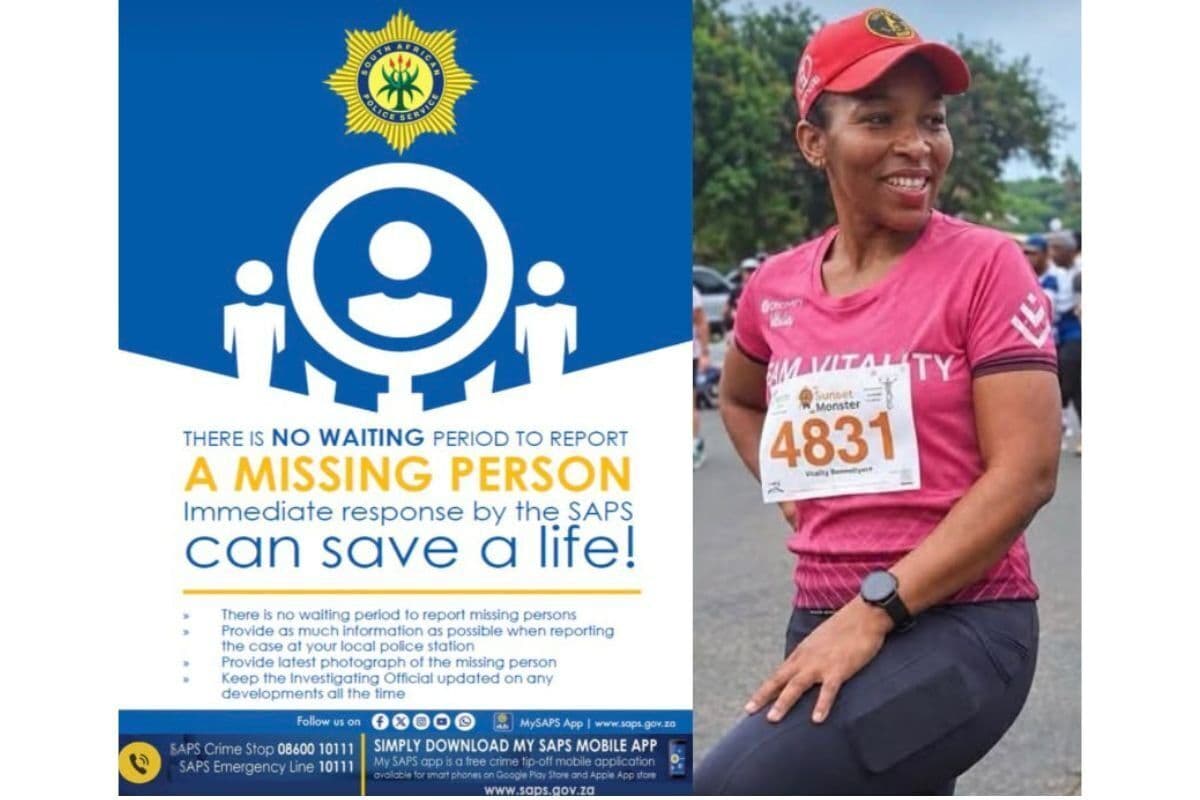
The family of a missing runner from Kempton Park on the East Rand has issued an urgent appeal to the public, pleading for an end to the spread of unverified rumours surrounding the disappearance. The plea, which emerged on Sunday, 13 September 2026, highlights the growing tension between community-led search efforts and the proliferation of misinformation on social media platforms. While community members are often eager to assist in locating missing persons, the family has stressed that false narratives are causing additional distress during an already challenging period.
At this stage of the investigation, specific details regarding the identity of the Kempton Park runner, the exact date and time of their disappearance, and the circumstances under which they went missing remain undisclosed in initial reports. It is also unclear what specific rumours prompted the family's public plea. In South Africa, families navigating the disappearance of a loved one often face a deluge of unverified claims, which can range from false sightings to speculative theories about foul play. The family's decision to speak out underscores the disruptive nature of these rumours on both a personal and investigative level.
In South Africa, the role of community forums and local security networks is vital in the golden hours following a disappearance. However, when unverified rumours begin to circulate, they can severely hinder official police investigations. The South African Police Service (SAPS) and registered non-profit organisations, such as those dedicated to finding missing persons, repeatedly warn that false leads divert valuable resources. Search and rescue teams may spend critical hours chasing down fabricated sightings or debunking online speculation rather than focusing on credible intelligence.
The digital landscape in South Africa, particularly within local community groups on platforms like WhatsApp, Facebook, and X (formerly Twitter), has changed how missing person cases are publicised. While these networks can mobilise search parties within minutes, they also serve as breeding grounds for speculation. In high-profile cases, the urge to share information quickly often overrides the necessity of verifying facts. For the family of the Kempton Park runner, this digital echo chamber has seemingly compounded their anxiety, prompting their direct request for restraint from the public.
Beyond the logistical challenges created for law enforcement, the psychological impact of rumours on the families of missing persons is profound. Dealing with the ambiguous loss of a relative is already a severe trauma. When families are subjected to constant online speculation, false hopes, or unfounded allegations about their loved one's lifestyle or the circumstances of their disappearance, the emotional toll becomes unbearable. By pleading for an end to the rumours, the Kempton Park family is asking for basic empathy and respect as they await concrete updates.
To prevent the spread of misinformation, South African safety organisations advocate for strict guidelines when sharing missing person alerts. Members of the public are urged to only share official posters created by registered organisations or verified SAPS communications. These posters typically include a case number (OB number) and the contact details of the investigating officer. Sharing personal speculations, modifying existing posters, or posting unconfirmed sightings without notifying the police first can jeopardise the safety of the missing individual and compromise the integrity of the case.
As the search for the Kempton Park runner continues, community members and local running clubs are keeping a close watch on official channels for verified updates. The priority remains finding the missing individual safely and supporting the family through this difficult period. Observers are advised to monitor official statements from the SAPS or authorised family spokespeople. The outcome of this case will likely serve as another reminder of the delicate balance between community vigilance and the critical need for responsible information sharing in the digital age.