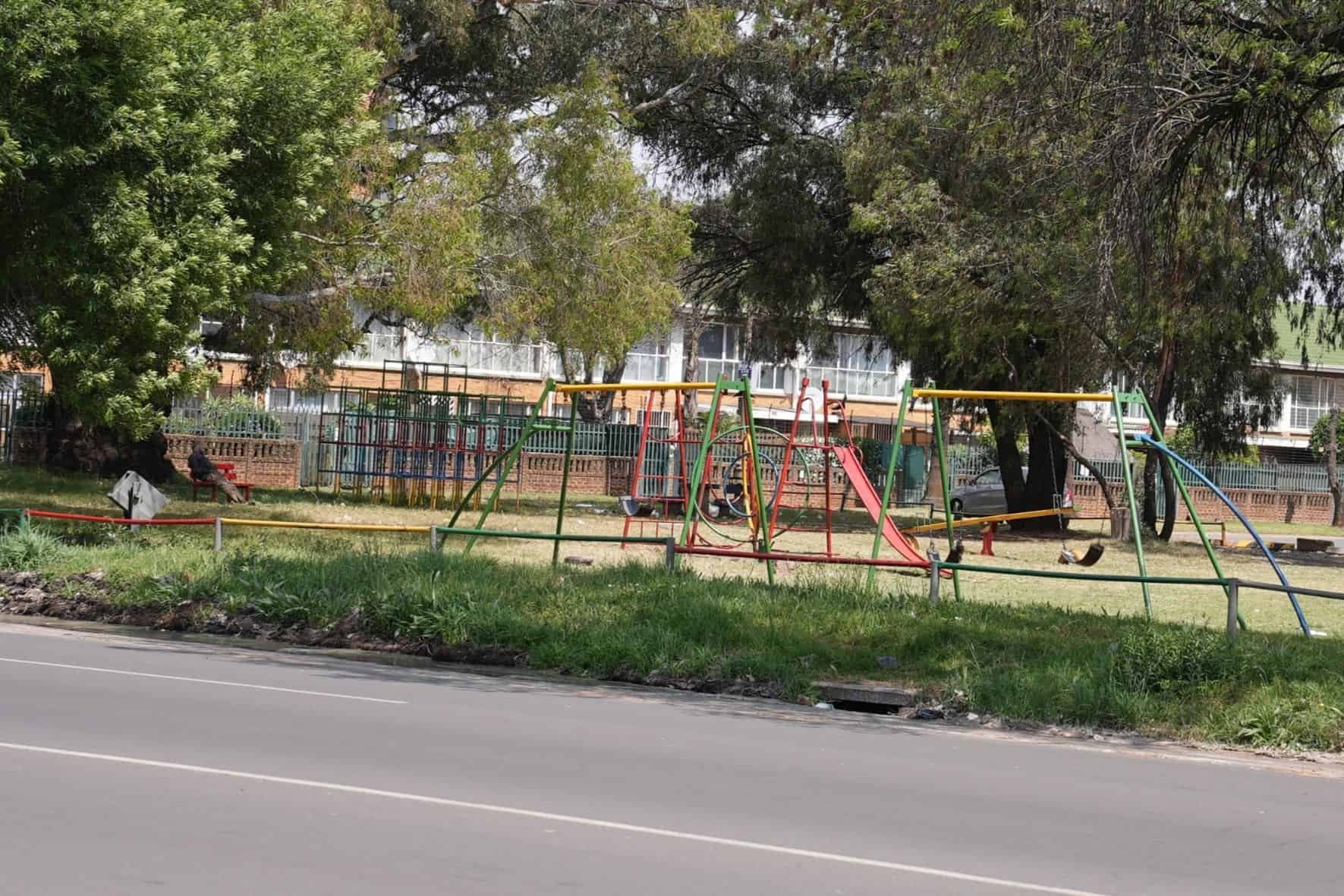
In a significant development in a case that has gripped the Gauteng province, the third victim of the recent Kempton Park killings has been officially identified. Authorities and local reports have confirmed the identity of the deceased as Dineo Motapane. The announcement marks a critical juncture in the ongoing investigation, as police work to piece together the events surrounding the tragic loss of life in the East Rand community.
The identification of Motapane brings a tragic reality to a case that has rapidly gained attention across South Africa. While her name has now been made public, many of the specific circumstances surrounding her death and the broader incident remain unresolved. At this stage, official sources have not yet provided comprehensive details regarding the sequence of events that led to the discovery of the victims, leaving the local community anxious for answers.
In cases of multiple homicides, South African law enforcement agencies typically maintain a strict flow of information to avoid compromising active investigations. Consequently, several key aspects of the Kempton Park killings remain unconfirmed. It is currently unclear what the exact relationship was between Dineo Motapane and the other victims, whose identities and backgrounds have not been fully detailed in the immediate wake of this announcement. Furthermore, the motive behind these killings remains a subject of intense speculation, with police yet to declare whether the incident is linked to local criminal syndicates, domestic violence, or other criminal activities.
Kempton Park, situated in the Ekurhuleni Metropolitan Municipality, is a major residential and industrial node in Gauteng, best known for hosting the OR Tambo International Airport. Due to its strategic location and dense population, security and policing in the area are always under high scrutiny. Violent crimes of this nature inevitably send shockwaves through the local neighborhoods, prompting residents and community policing forums (CPFs) to demand heightened vigilance, increased police visibility, and swift action from the South African Police Service (SAPS).
The formal identification of a victim is a vital step in the South African criminal justice process. Once an identity like Dineo Motapane’s is confirmed, detectives can begin the detailed work of reconstructing the victim's final days and hours. This process involves analyzing mobile phone records, interviewing family members, friends, and colleagues, and reviewing any available closed-circuit television (CCTV) footage from the area. These investigative steps are essential for establishing a clear timeline and identifying potential suspects or persons of interest.
As the investigation unfolds, the role of the public remains crucial. In South Africa, police frequently rely on tip-offs and community cooperation to solve complex violent crimes. Local authorities routinely appeal to anyone who may have seen or heard anything unusual in Kempton Park around the time of the incident to come forward. Information can be shared anonymously through the national Crime Stop hotline or via the MySAPS mobile application, which has become an increasingly important tool in community-policed safety initiatives.
The psychological impact on the Kempton Park community cannot be understated. Incidents involving multiple casualties often lead to a heightened sense of vulnerability among local residents, who worry about the general state of safety in their suburbs. Community leaders are expected to engage with local SAPS management to address these safety concerns and to seek reassurance that adequate resources are being deployed to resolve the case and prevent further violence.
Looking ahead, the focus of the public and the media will remain on the progress of the SAPS Ekurhuleni district detectives. Key milestones to watch for include the formal identification of the remaining victims, the release of forensic pathology reports, and any subsequent arrests. As Dineo Motapane’s family and the broader Kempton Park community mourn this devastating loss, the pressure on law enforcement to deliver swift and transparent justice continues to mount.