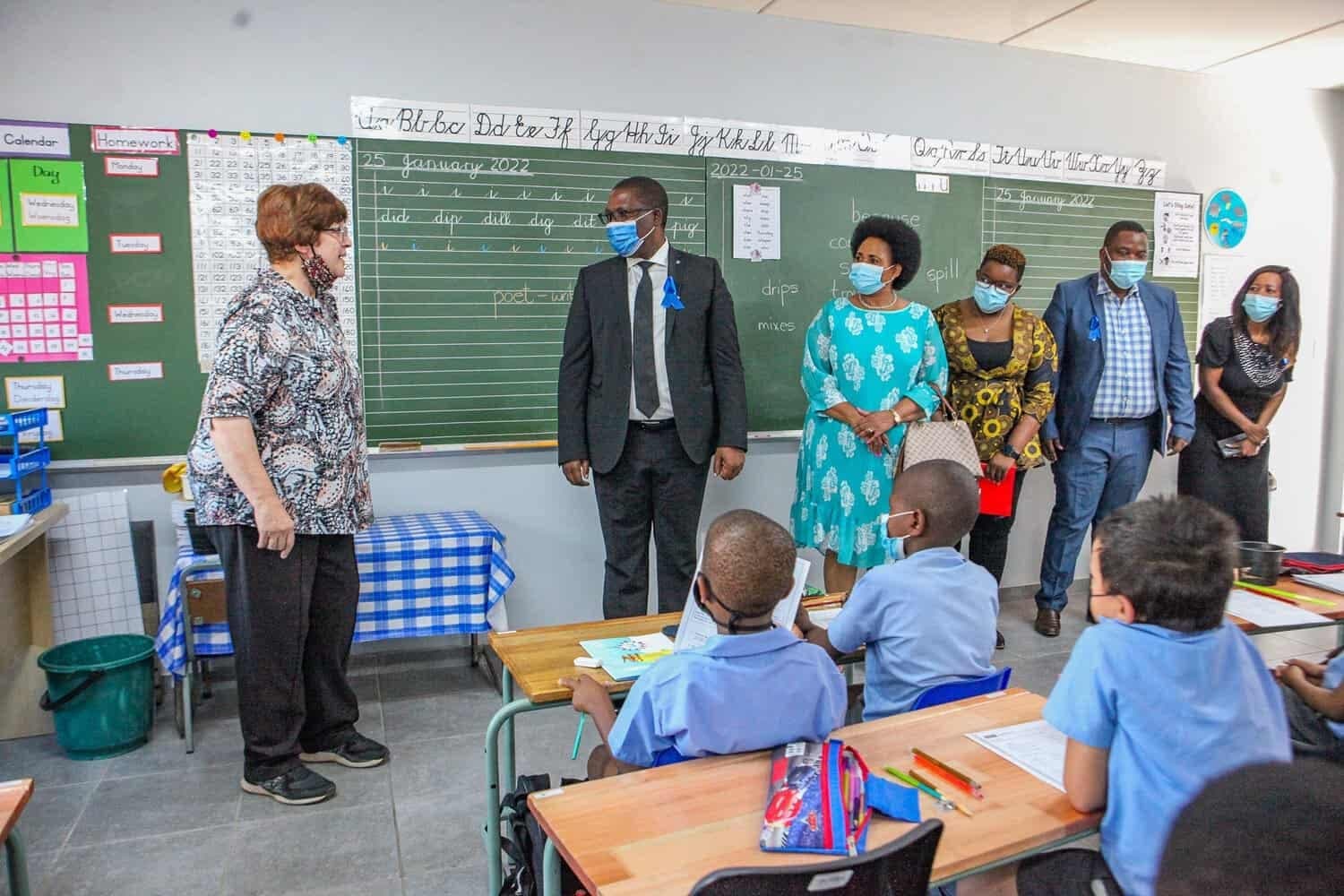
On 12 September 2026, a prominent opinion piece titled "Education for all: a right to learn and thrive" was published by Independent Online (IOL), one of South Africa's major digital news platforms. The publication of this article has brought renewed attention to the critical debate surrounding educational access and quality in South Africa. As a viral topic in the region, the discussion underscores the ongoing public interest in how the nation's educational system supports its youth.
In the South African context, the phrase "education for all" carries profound historical and constitutional weight. Under Section 29 of the Constitution of the Republic of South Africa, everyone has the right to a basic education. Unlike many other socio-economic rights enshrined in the Constitution, the right to basic education is not subject to progressive realisation or available resources; it is an immediate right that the state is obligated to provide. The IOL opinion piece taps into this fundamental legal and moral framework.
Although the specific text and individual arguments of the IOL article are not fully detailed in the primary trend data, the title itself highlights a dual focus: the "right to learn" and the opportunity to "thrive." This distinction is highly relevant to contemporary South African discourse. For years, educational experts, policymakers, and civil society organisations have argued that merely providing access to classrooms is insufficient if the quality of education does not enable learners to thrive and compete in the modern economy.
It remains unclear from the available data who authored the specific opinion piece or whether it was written in response to a particular policy announcement, court ruling, or department of basic education report. In South Africa, such commentary is frequently prompted by ongoing challenges such as infrastructure backlogs, school funding debates, or national examination results. Without further details from the source, the exact catalyst for this specific publication remains unspecified.
The viral nature of this topic on South African media platforms highlights how deeply citizens care about educational reform. Discussions around the "right to learn" often involve critical evaluations of school safety, the digital divide, and the equitable distribution of educational resources between urban and rural provinces. When opinion pieces on these topics gain traction, they often reflect a collective societal demand for accountability and systemic improvement.
The practical implications of moving towards an educational system where all children can "thrive" are vast. It requires not only addressing physical infrastructure, such as eradicating pit latrines and ensuring reliable electricity, but also focusing on teacher training, curriculum relevance, and early childhood development. Public commentary, like the article highlighted on IOL, serves as a crucial mirror for society to assess whether these practical needs are being met.
Moving forward, South Africans will need to watch how these media-driven discussions translate into policy action. Key areas to monitor include the national budget allocations for the Department of Basic Education, legislative updates regarding school governance, and grassroots advocacy campaigns. While this specific opinion piece represents a single voice in a broad national conversation, it highlights a persistent truth: the quest for equitable, high-quality education remains a central pillar of South Africa’s democratic journey.