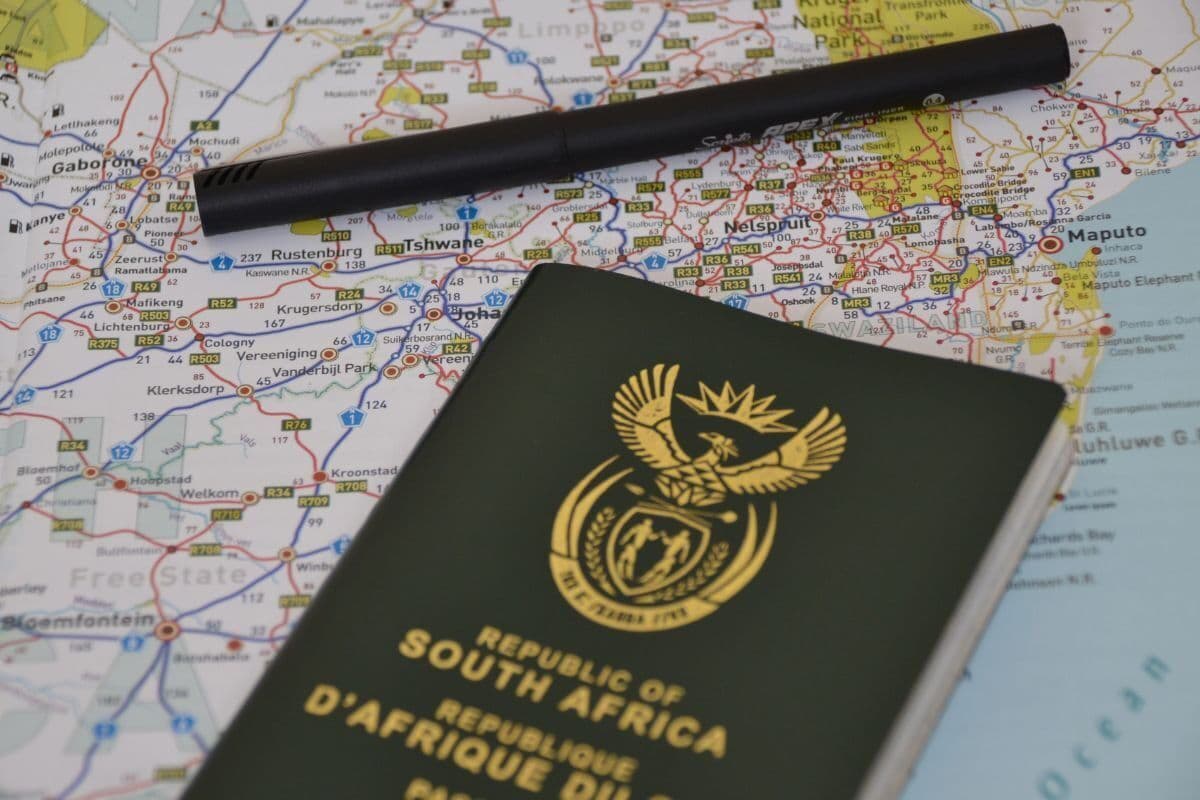
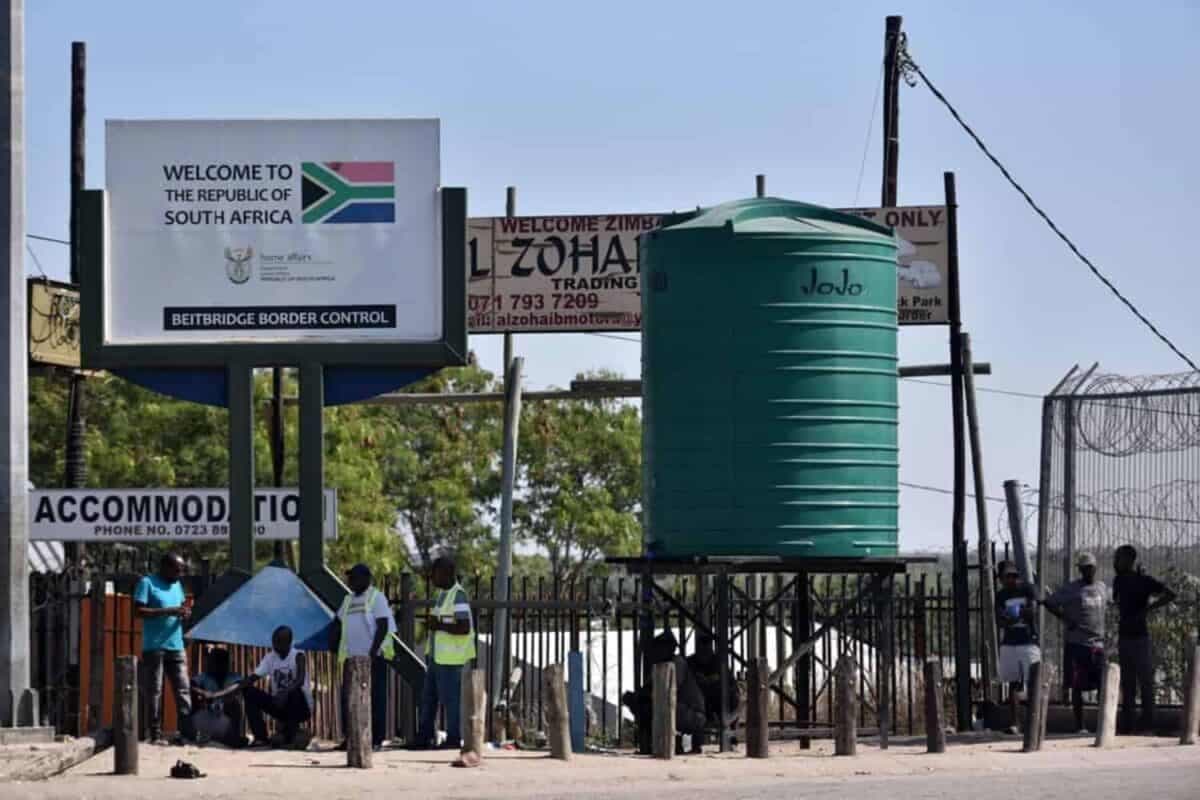
On 15 September 2026, clarity has been sought regarding the application of South Africa's traveller declaration system for those journeying to neighbouring countries, including Mozambique and Lesotho. As cross-border travel within the Southern African region remains highly active, many South African citizens and international visitors are questioning whether they are legally required to complete these declarations when crossing land borders or taking regional flights.
The core of the issue lies in whether the South African Revenue Service (SARS) online traveller declaration system, which was introduced to streamline customs processes, applies universally to all departures and arrivals, or if specific exemptions exist for neighbouring states. Countries sharing direct borders with South Africa, such as Lesotho, Mozambique, Zimbabwe, Botswana, and Eswatini, experience a massive volume of daily commuters and freight, making the administrative requirements a key concern for travellers.
Under the established framework of the South African Traveller Declaration system, individuals entering or leaving South Africa are generally expected to declare goods, currency, and prescribed items. However, the precise application of this digital system to land border posts versus international airports has frequently been a source of confusion for regional travellers. Currently, the system is designed to digitalise the customs declaration process, but its mandatory enforcement across all land borders remains an area where travellers seek explicit confirmation.
For countries like Lesotho—which is entirely landlocked by South Africa—and Mozambique, a popular holiday and trade destination, the border dynamics are unique. Many travellers frequently cross these borders for work, family visits, or short-term tourism. If the digital traveller declaration is strictly enforced at these points, it requires travellers to have reliable internet access to complete the online form before reaching the border post, or to rely on physical forms if available.
What remains unclear from the immediate reports is whether there has been a recent policy shift or an update in enforcement guidelines specifically targeting these neighbouring countries. While the digital portal is accessible to all, the exact legal obligation for daily commuters or short-term visitors to Lesotho and Mozambique to fill out the digital declaration for every single crossing is a detail that requires formal clarification from customs authorities.
For South African travellers, the practical implications of these regulations are significant. Failing to comply with customs declaration requirements can lead to delays at border posts, potential fines, or the confiscation of undeclared goods. Therefore, understanding whether the digital traveller declaration is a strict prerequisite for regional travel is essential for planning seamless journeys.
As regional travel continues to evolve, travellers are advised to monitor official communications from the South African Revenue Service and border control authorities. Updates regarding the integration of land border posts into the digital declaration network will be crucial. For now, anyone planning to cross into Mozambique, Lesotho, or other neighbouring nations should ensure they are familiar with the latest customs requirements to avoid unnecessary complications at the border.