Porous Borders Undermine South Africa’s Costly Deportation Drive
South Africa's efforts to repatriate undocumented migrants are facing severe challenges due to highly permeable borderlines. Despite active deportation campaigns, the lack of secure physical barriers allows many individuals to quickly re-enter the country, raising questions about the efficiency of current border management strategies.
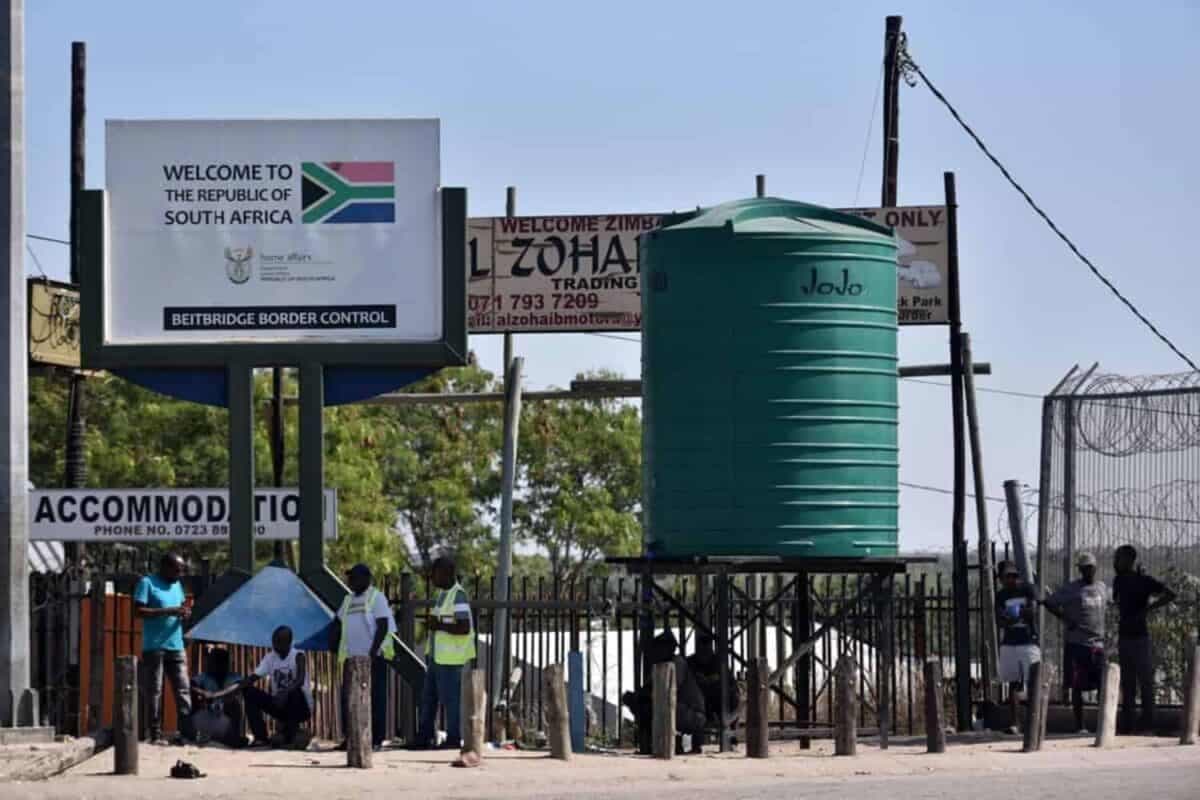
South Africa's ongoing efforts to deport undocumented migrants are facing significant hurdles, as the country's highly porous borders continue to undermine the state's repatriation initiatives. According to reports emerging on 14 August 2026, the disconnect between large-scale deportation campaigns and the lack of secure physical barriers means that many deported individuals are able to quickly re-enter the country. This persistent cycle has raised serious questions about the long-term viability and financial efficiency of the government's current immigration enforcement strategy.
At the centre of this national debate is the Border Management Authority (BMA), the agency tasked with securing South Africa's vast frontiers. Visual evidence from critical border posts, such as the notoriously busy Beitbridge border post linking South Africa and Zimbabwe, highlights the immense pressure under which these state agencies operate. While the BMA has been deployed to streamline border control and curb illegal crossings, systemic vulnerabilities along the thousands of kilometres of shared borders continue to hamper their overall success.
The core issue remains the physical and logistical permeability of the borders. While South Africa's Department of Home Affairs and law enforcement agencies regularly conduct high-profile deportation drives, critics and observers point out that deporting individuals is only half the battle. Without a corresponding increase in physical security, high-tech surveillance, and effective patrol units along the actual borderlines, deported persons often find informal routes to return to South Africa almost immediately after their repatriation.
This revolving-door phenomenon has severe practical and financial implications for South African taxpayers. Deportation processes are inherently expensive, involving detention facilities, administrative processing, transport logistics, and coordination with neighbouring countries. When these efforts are neutralized by porous borders, the state's expenditure yields minimal long-term results, leading to growing frustration among local communities and policymakers who demand more sustainable solutions to migration management.
While specific statistical breakdowns of the latest deportation numbers and exact financial costs remain undisclosed in the current brief, the broader national discourse has increasingly focused on structural reforms. Many argue that resources would be better allocated towards reinforcing physical border infrastructure and combatting corruption at official ports of entry, rather than relying solely on reactive deportation campaigns that fail to address the root of the problem.
Furthermore, the situation at Beitbridge serves as a stark reminder of the regional economic disparities that drive migration in Southern Africa. For as long as economic instability persists in neighbouring states, the push factors drawing individuals to South Africa will remain strong. This reality suggests that border management cannot be viewed in isolation; it requires a comprehensive approach that combines strict border enforcement with regional diplomacy and realistic immigration policies.
Moving forward, South Africans will be watching closely to see how the government and the BMA adapt their strategies to address these systemic gaps. Whether through increased funding for border patrols, the deployment of advanced surveillance technology, or bilateral negotiations with neighbouring governments to secure shared boundaries, a shift in strategy appears inevitable. Until these porous borders are effectively secured, the country's deportation drive is likely to remain an uphill battle.
Reporting record
How this story was produced
This article was AI-generated from the frozen trend evidence and passed deterministic quality and safety gates. No cross-provider evidence review or independent human verification is claimed for this record.
- Byline
- Newstrends AI Newsroom
- First published
- Last material update
- No later material update recorded
- Distinct source identifiers
- 1 retained source identifier
Frozen source links for this publication
Chronology
Story timeline
A generated chronology for orientation; dates and details may require source verification.
Update
Reports highlight how porous borders, particularly at key points like Beitbridge, continue to undermine South Africa's national deportation drive.
Reader file
Frequently asked questions
01Why are South Africa's deportations described as ineffective?
Deportation efforts are frequently undermined by highly porous borders, which allow deported individuals to easily and quickly re-enter South Africa through informal crossing points.
02What role does the Border Management Authority (BMA) play?
The BMA is the state agency responsible for securing South Africa's borders and managing official ports of entry, such as the Beitbridge border post, though they face major logistical challenges due to the vast and permeable borderlines.
Keep reading
Related coverage
More published reporting connected to this story.
SA's New Electronic Travel Authorisation System Rejects Over 6 000 Fraudulent Applications
South Africa's newly introduced Electronic Travel Authorisation (ETA) system has successfully intercepted and blocked more than 6 000 fraudulent travel applications. The digital border control tool marks a major milestone in the country's ongoing efforts to secure and modernise its immigration processes.

Feroz Cachalia Forms Task Team to Protect Mosques Amid Concerns Over Immigration Raids
A new task team led by Feroz Cachalia has been established to protect South African mosques. The initiative comes amid growing public concern and questions over whether places of worship are becoming targets for immigration law enforcement.
Musina Repatriation Centre Scales Down Operations After Processing 68,000 Migrants
The Musina repatriation centre in Limpopo is scaling down its operations after processing 68,000 migrants to date. This transition raises critical questions about the future of border management and immigration processing along South Africa's northern border.
Congolese Salon Owner Asserts Legal Status Following Alleged Anti-Foreigner Confrontation
A Congolese salon owner has spoken out to defend their legal status in South Africa following an alleged anti-foreigner confrontation. The incident, which has gone viral, highlights ongoing tensions surrounding immigrant-owned businesses in local communities.
NATJOINTS Issues Strong Warning Against Attempts to Disrupt SADC Summit in Durban
The National Joint Operational and Intelligence Structure (NATJOINTS) has warned against any attempts to disrupt the upcoming SADC Summit in Durban. Security forces, including Lieutenant-General Tebello Mosikili, have mobilised to ensure the safety of regional leaders and delegates.