Chery's Upcoming Bakkie: Why Its Powertrain Matters More Than Its Controversial Name
A new podcast discussion has shifted attention away from the naming controversy surrounding Chery's upcoming bakkie and towards what really counts under the bonnet. Motoring analysts are urging South African consumers to look past the name and focus on the vehicle's powertrain credentials. The conversation highlights growing interest in the Chinese brand's push into South Africa's fiercely competitive bakkie segment.
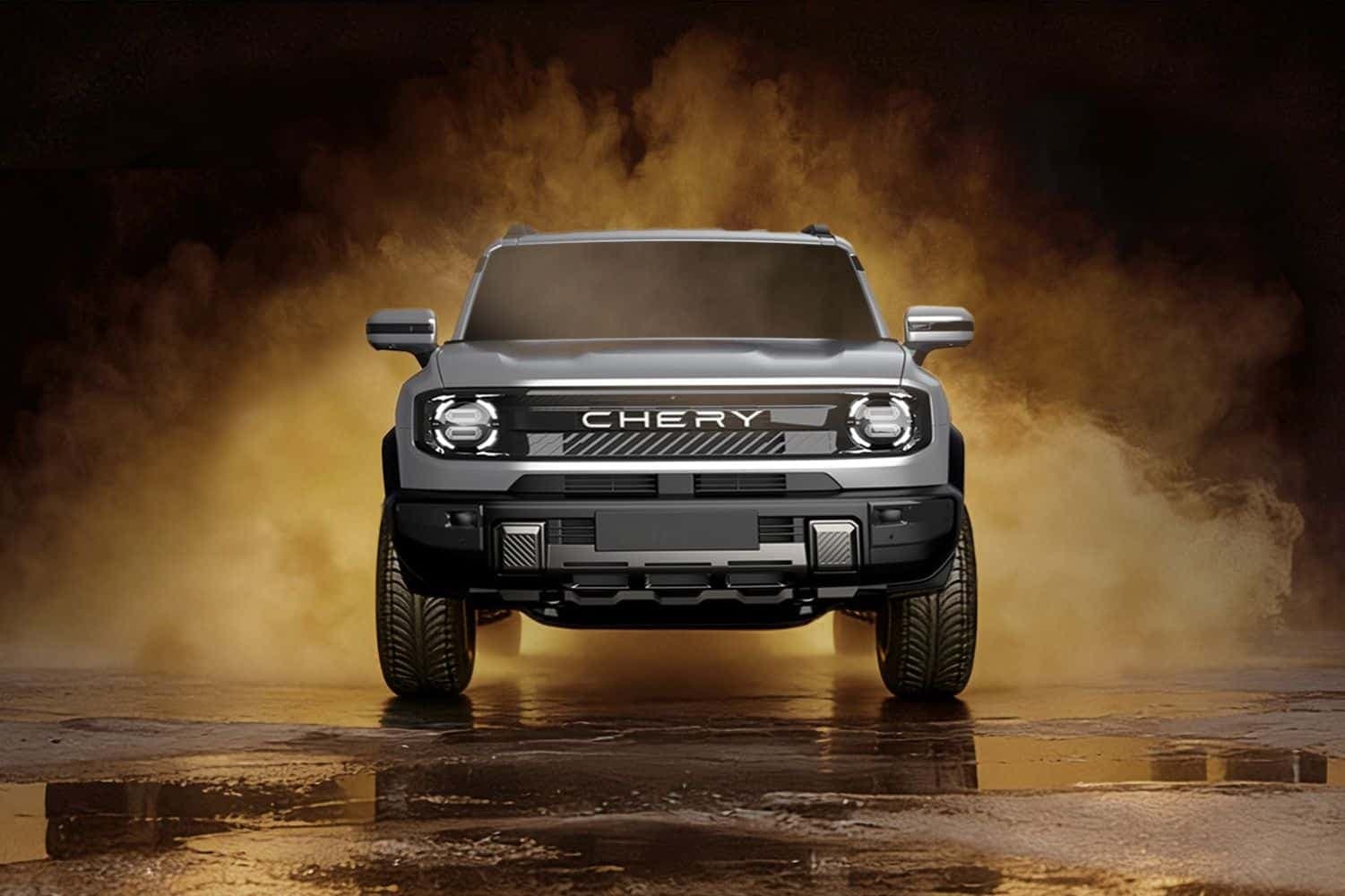
A recently published podcast from The Citizen's motoring desk is encouraging South African car buyers to redirect their focus when it comes to Chery's highly anticipated bakkie. Rather than getting caught up in the vehicle's name — which has drawn attention and commentary of its own — the discussion argues that the powertrain is where the real story lies. The podcast, captured on 17 October 2026, forms part of ongoing coverage of the Chinese automaker's expanding footprint in the local market.
Chery is no stranger to South African roads. The brand has steadily built a presence in the local passenger vehicle segment over the past several years, offering models that compete on value and increasingly on specification. However, the bakkie market represents a significant step up in ambition. In South Africa, bakkies are not merely commercial tools — they are cultural touchstones, lifestyle statements, and in many cases, the primary family vehicle. Breaking into this space means going up against deeply entrenched rivals with loyal followings.
The podcast's central argument is straightforward: whatever one thinks of the bakkie's name, South African buyers would be better served by examining what powers the vehicle. This reflects a broader truth about the local bakkie market, where powertrain performance, towing capacity, fuel efficiency, and long-term reliability weigh heavily in purchasing decisions. Fleet operators, farmers, and weekend adventurers alike scrutinise these figures closely before committing to a vehicle that may need to perform across tar roads, dirt tracks, and everything in between.
The specific details of Chery's bakkie powertrain have not been fully disclosed in the available information, and it remains unclear at this stage precisely what engine configurations, outputs, or drivetrain options will be offered for the South African market. What is known is that the podcast positions the powertrain as a genuine talking point — suggesting that Chery's engineers have put together something noteworthy enough to warrant this kind of editorial redirection. Readers and prospective buyers will need to follow further announcements for the technical specifics.
The name itself, while not detailed explicitly in the available trend data, appears to have generated enough conversation to prompt The Citizen's motoring team to address it directly. This kind of naming debate is not entirely unusual in the South African context, where vehicle names sometimes carry unintended local connotations or simply fail to resonate with consumers. That said, the podcast's message is clear: a bakkie lives or dies by its performance and reliability, not by what it is called.
For Chery, getting the powertrain right in South Africa is particularly critical. The country's bakkie buyers are among the most discerning in the world, shaped by decades of competition between established Japanese, American, and European nameplates. A Chinese entrant faces an additional layer of scrutiny, with questions around parts availability, service network reach, and resale value all forming part of the calculus. A compelling powertrain story could go a long way towards addressing some of these concerns, provided the brand can back it up with a credible after-sales infrastructure.
The timing of this conversation is also significant. South Africa's motoring landscape in 2026 is one in which consumers are increasingly open to alternatives, driven by economic pressures and a growing familiarity with Chinese automotive brands that have matured considerably in terms of build quality and technology. Chery, as one of the more established Chinese marques in the market, is reasonably positioned to capitalise on this shift — but execution will be everything.
What South African bakkie enthusiasts and potential buyers should watch for in the coming months is any official reveal of powertrain specifications, local pricing, and the dealer and service network that Chery plans to support the vehicle with. The podcast conversation suggests that the brand has reason for confidence on the mechanical front. Whether that confidence translates into showroom success will depend on a great deal more than what sits under the bonnet — but it is, as the podcast rightly notes, the best place to start the conversation.
Reporting record
How this story was produced
This article was AI-generated from the frozen trend evidence and passed deterministic quality and safety gates. No cross-provider evidence review or independent human verification is claimed for this record.
- Byline
- Newstrends AI Newsroom
- First published
- Last material update
- No later material update recorded
- Distinct source identifiers
- 1 retained source identifier
Frozen source links for this publication
Chronology
Story timeline
A generated chronology for orientation; dates and details may require source verification.
Update
The Citizen publishes a podcast urging South African consumers to focus on the Chery bakkie's powertrain rather than its name.
Reader file
Frequently asked questions
01What is the Chery bakkie podcast about?
The podcast, published by The Citizen's motoring desk on 17 October 2026, encourages South African consumers to focus on the powertrain of Chery's upcoming bakkie rather than debating its name.
02What are the powertrain specifications of the Chery bakkie?
The specific powertrain details have not been fully disclosed in the available information. Further official announcements from Chery are expected to clarify engine options and outputs for the South African market.
03Why is the Chery bakkie's name controversial?
The trend data indicates the name has attracted public commentary, though the exact nature of the controversy is not detailed. The podcast's focus is on redirecting attention to the vehicle's mechanical merits.
04Is Chery an established brand in South Africa?
Yes, Chery has been present in the South African passenger vehicle market for several years and is considered one of the more established Chinese automotive brands in the country.
Keep reading
Related coverage
More published reporting connected to this story.

South Africa moves away from 'screwdriver' car assembly towards deeper manufacturing
South Africa is reassessing its reliance on so-called 'screwdriver' car plants — facilities that do little more than bolt together imported components — in favour of more substantive, value-adding automotive manufacturing. The shift signals a significant policy and industry rethink about what kind of vehicle production the country wants to support. What this means for jobs, investment, and the broader economy is now under the spotlight.
Jaecoo J5 BEV Set for South African Arrival: What We Know So Far About the New Electric SUV
The upcoming arrival of the Jaecoo J5 BEV marks a significant step for the brand's expansion in South Africa. While official specifications and pricing are still awaited, the new electric SUV is poised to join the country's growing new energy vehicle market.
Chery Blossoms as South African New Vehicle Sales Keep Rising in July
South Africa's new vehicle market recorded another positive month in July 2026, with overall sales continuing to rise. Chinese automotive brand Chery emerged as a key driver of this growth, reflecting a shifting consumer preference towards high-value vehicles.