All Blacks Captain Ardie Savea Praises South Africa's Unity
All Blacks captain Ardie Savea has publicly commended South Africa's national unity, drawing praise from local sports fans. The positive remarks from the New Zealand rugby leader highlight the deep mutual respect between the two sporting rivals.
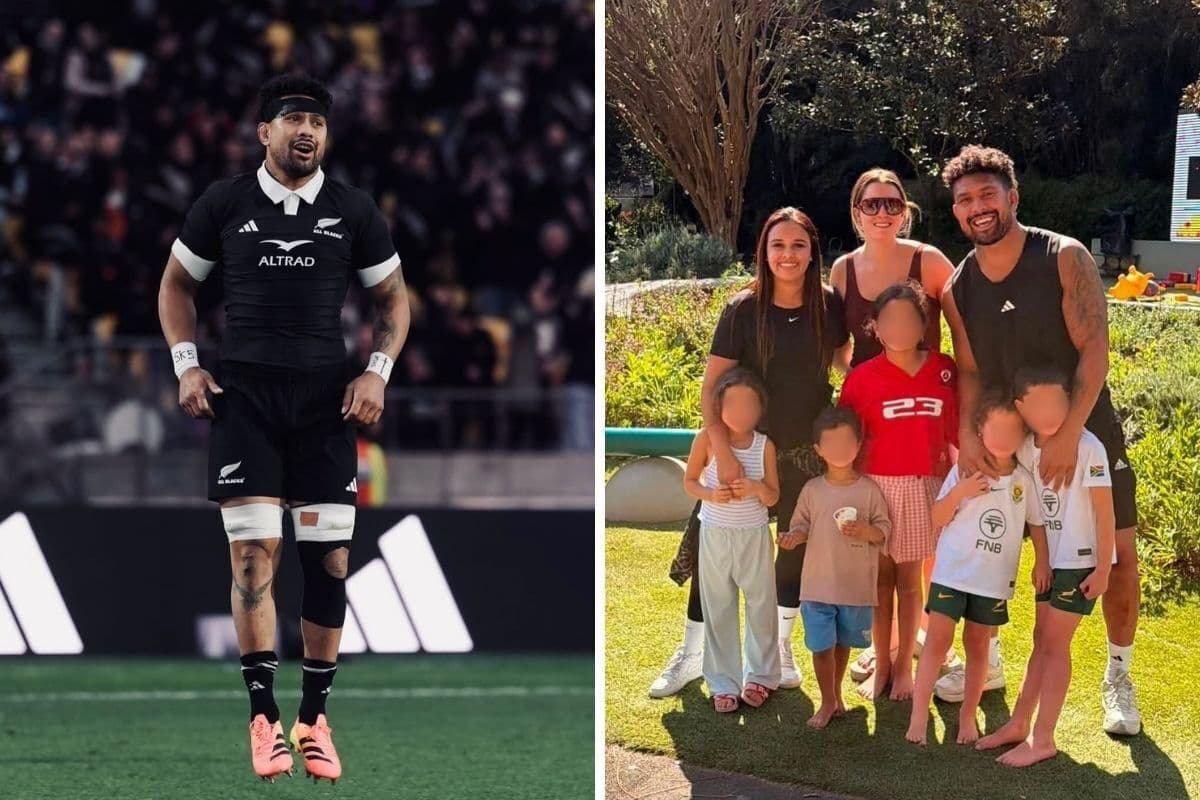
On 23 August 2026, All Blacks captain Ardie Savea made headlines across South Africa after publicly praising the country's sense of "unity." The commendation, which was highlighted in local media reports, underscores the deep-seated respect between the two powerhouse rugby nations. While specific details of the setting in which Savea made these remarks remain limited in early reports, the acknowledgment from a leading figure in New Zealand rugby has resonated strongly with South African sports fans and commentators alike.
The news emerged from reports published by local media outlet The South African on Sunday evening, 23 August 2026. As one of the country's prominent lifestyle and news platforms, the publication drew attention to Savea’s comments, framing them around the concept of national unity. For South Africans, the word "unity" carries immense cultural and historical weight, particularly when spoken in the context of national sports teams like the Springboks, who have long been viewed as a vehicle for social cohesion across diverse communities.
As the captain of the All Blacks, Ardie Savea represents more than just a rugby team; he stands as a key ambassador for New Zealand sport. For a rival captain of his stature to openly laud South Africa's unity is a significant gesture of sportsmanship. The rivalry between the Springboks and the All Blacks is widely regarded as one of the fiercest and most respected in international sport. Savea's positive observations highlight that, despite the intense physical battles on the rugby field, there is a profound mutual appreciation for how the sport binds the South African nation together.
At this stage of the reporting cycle, the exact context of Savea’s statements—whether they were delivered during a post-match press conference, a media briefing, or an informal interview—has not been fully detailed in the primary trend data. It is also unclear whether his comments were prompted by a specific recent match, a community visit, or general observations of the South African public's passion for their team. In the absence of a full transcript of his address, local rugby enthusiasts are left to appreciate the core sentiment of his message: that South Africa’s collective spirit is visible and admirable even to its greatest sporting rivals.
The concept of unity has been a central theme in South African rugby for decades. From the historic moments of the mid-1990s to the modern era, the Springboks have consistently played under banners of national togetherness. When an opposing captain like Savea identifies this unity as a defining characteristic, it validates the off-field efforts of South African rugby administrators, players, and citizens who view the sport as a unifying force. It suggests that the nation's ability to stand together is not just an internal narrative, but a distinct quality observable on the global stage.
The practical implications of such praise from a high-profile international figure are noteworthy. It fosters positive relations between the rugby unions of South Africa and New Zealand, reinforcing the spirit of rugby diplomacy. Furthermore, positive international press of this nature provides a morale boost to the local public. In a country that often faces complex socio-economic challenges, sport serves as a vital source of hope and collective pride, and external validation from a respected figure like Savea amplifies this positive sentiment.
Moving forward, sports analysts and fans will be watching closely to see the full context of Savea's remarks as more media outlets pick up the story. Observers will also be keen to see if there are formal responses from the South African rugby leadership or Springbok players. As the international rugby calendar progresses, the interactions between the All Blacks and the Springboks will undoubtedly continue to be characterised by this blend of fierce on-field competition and deep off-field respect, keeping rugby fans across both hemispheres highly engaged.
Reporting record
How this story was produced
This article was AI-generated from the frozen trend evidence and passed deterministic quality and safety gates. No cross-provider evidence review or independent human verification is claimed for this record.
- Byline
- Newstrends AI Newsroom
- First published
- Last material update
- No later material update recorded
- Distinct source identifiers
- 1 retained source identifier
Frozen source links for this publication
Chronology
Story timeline
A generated chronology for orientation; dates and details may require source verification.
Update
Reports emerge from local media highlighting All Blacks captain Ardie Savea's praise for South Africa's unity.
Reader file
Frequently asked questions
01What did Ardie Savea say about South Africa?
All Blacks captain Ardie Savea praised South Africa's sense of 'unity' in reports published on 23 August 2026.
02Where did the report about Ardie Savea's praise originate?
The report was published by the South African news and lifestyle outlet, The South African.
03What is the context of Savea's comments?
The exact context, location, and full transcript of his comments remain undisclosed in the initial reports, but they highlight the ongoing mutual respect between South African and New Zealand rugby.
Keep reading
Related coverage
More published reporting connected to this story.
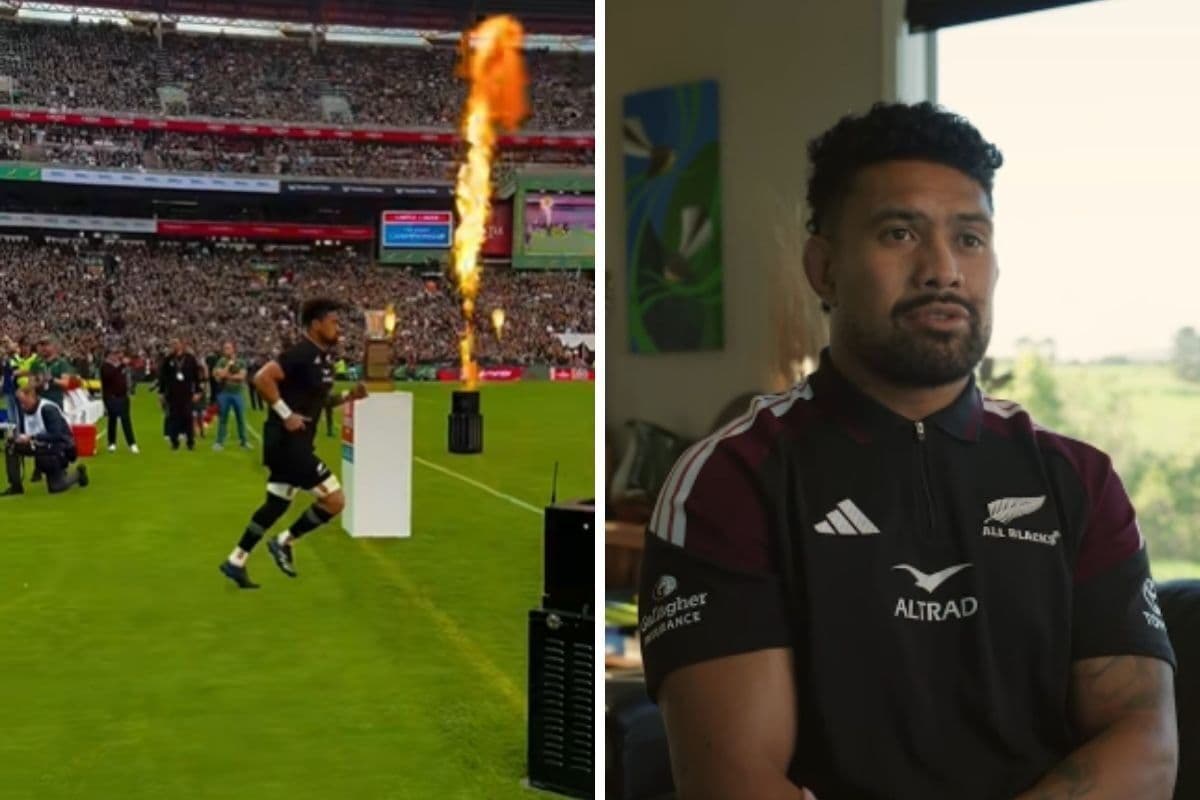
All Blacks Captain Ardie Savea Expresses Warm Sentiments for South Africa Ahead of Highly Anticipated Boks Clash
New Zealand captain Ardie Savea has sparked positive reactions across South Africa by showing love to the country ahead of the upcoming Springboks clash. The gesture highlights the deep mutual respect defining rugby's greatest international rivalry.
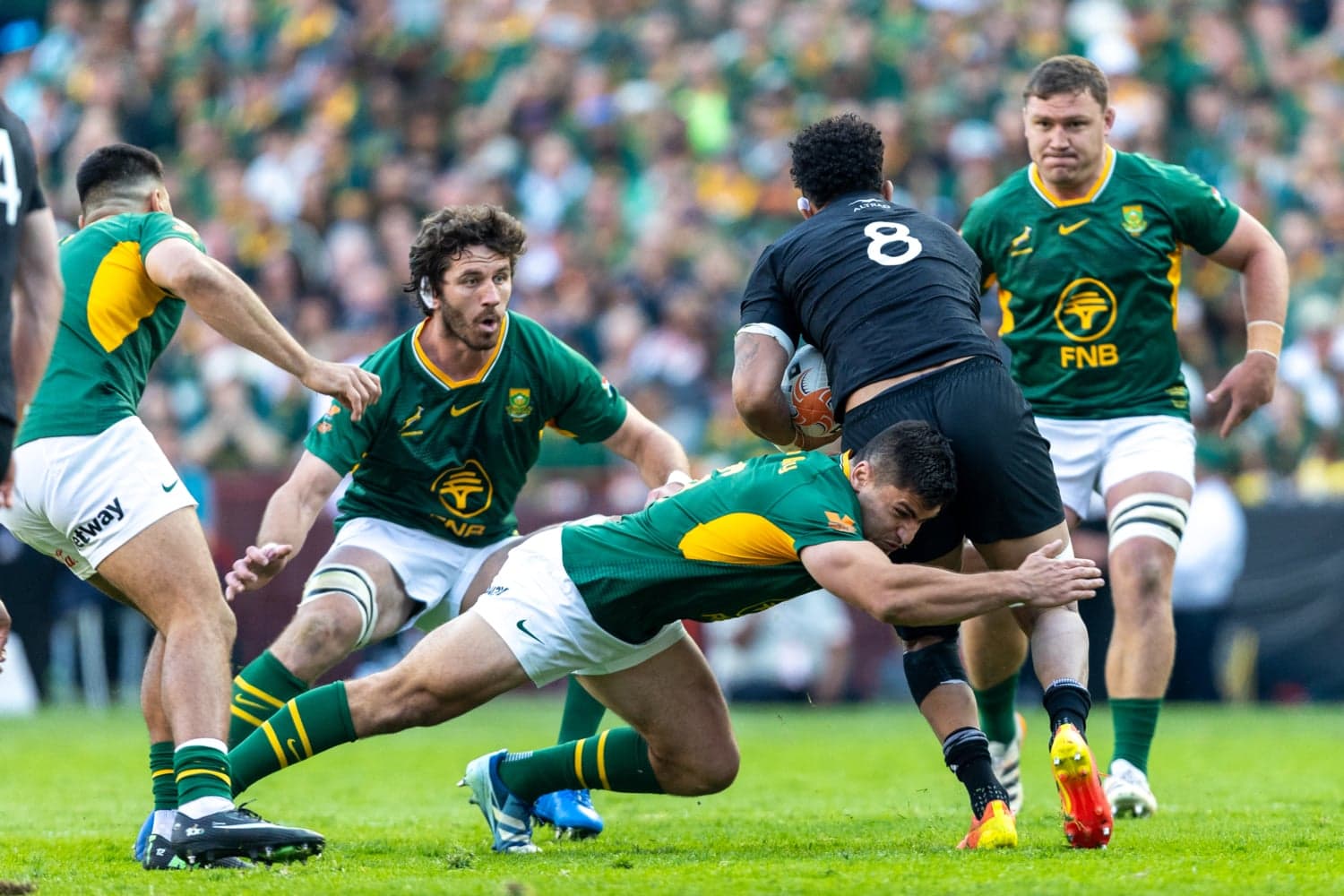
‘I Was Nervous’: Ardie Savea Reacts to Major Refereeing Decision in Clash Against Springboks
Rugby star Ardie Savea admitted to feeling anxious during a pivotal refereeing decision that ultimately went in his team's favour. The incident, reported by South African media, has sparked widespread debate among local rugby fans.
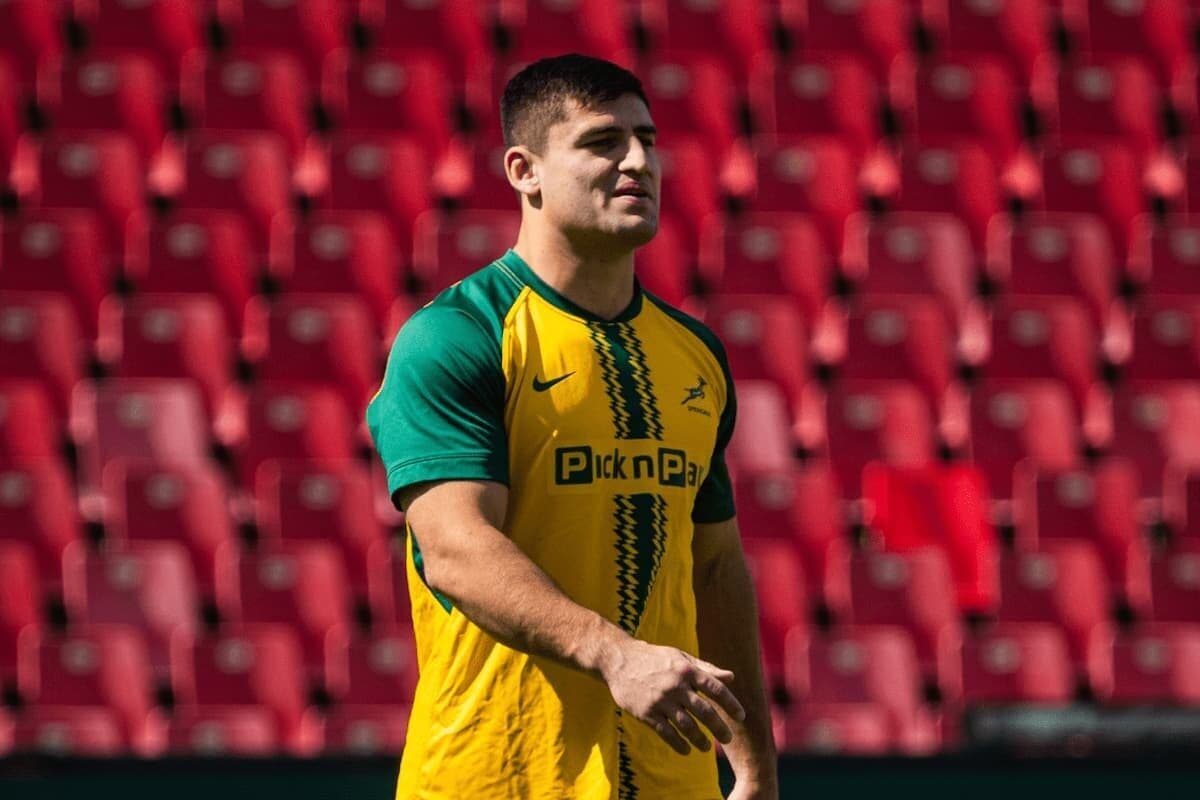
Paul de Villiers Faces Ultimate Litmus Test in Upcoming Clash Against the All Blacks
South African rugby player Paul de Villiers is preparing for a career-defining match against New Zealand's All Blacks. The upcoming encounter is being hailed as a major test of his capabilities on the international stage.
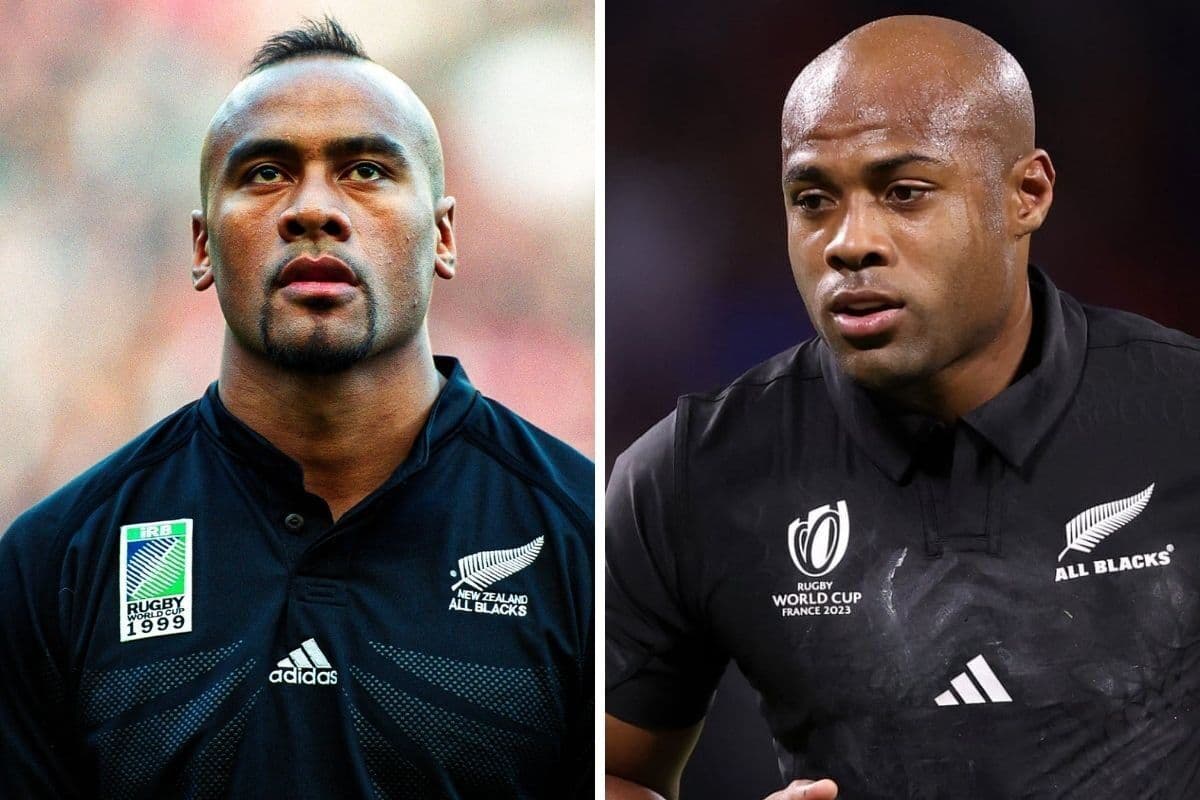
Fierce Rivals, Shared Roots: Viral Report Explores All Blacks Players with Strong South African Ties
A viral report from local media has sparked intense curiosity among South African rugby fans by highlighting All Blacks players with strong ties to South Africa. The trend underscores the deep, interconnected history between the world's two greatest rugby rivals.

Twice as Nice: Airlink Delivers Spectacular Double Flyover at Ellis Park for Greatest Rugby Rivalry
Spectators at Johannesburg's historic Ellis Park were treated to a stunning double flyover by Airlink ahead of the Springboks' clash with the All Blacks. The spectacular aerial display has gone viral online, celebrating rugby's greatest rivalry.