Who Funds SA Political Parties? Cape Times Report Sparks Renewed Push For Full Transparency
A recent report by the Cape Times has reignited the national debate over political party funding in South Africa. As citizens demand greater accountability, the push for full transparency regarding private donations remains a critical issue for the country's democracy.
On 2 September 2026, the spotlight was once again cast on the financial backers of South Africa's political landscape, as the Cape Times published a prominent report questioning who funds the nation's political parties and highlighting the growing push for full transparency. The report, which has rapidly gained traction online, underscores an ongoing national debate regarding the influence of private money in South African politics and the public's right to know who is bankrolling their representatives.
The question of political funding is central to the health of South Africa’s constitutional democracy. For years, citizens, civil society organisations, and political analysts have argued that without absolute clarity on where political parties receive their financial backing, the risk of state capture, corruption, and policy manipulation remains high. The latest coverage by the Cape Times brings these critical concerns back to the forefront of the public discourse.
The "push for full transparency" refers to a broader, multi-year struggle in South Africa to enforce and strengthen disclosure laws. While South Africa previously introduced legislation to compel political parties to declare large private donations, debates persist over whether the current thresholds and disclosure mechanisms are sufficient. Critics argue that loopholes still allow significant sums of money to flow into party coffers undetected, shielding powerful donors from public scrutiny.
Based on the initial trend data from early September 2026, specific details regarding newly disclosed figures, the names of major corporate or individual donors, or the exact political parties under the spotlight in this latest round of reporting have not been fully detailed. However, the viral nature of the Cape Times report indicates a strong public appetite for these details as South Africans demand greater accountability from their political leaders.
Independent media houses and investigative journalists play a pivotal role in keeping the pressure on political entities. Reports such as the one published on 2 September 2026 serve as crucial reminders that transparency is not a one-time legislative event but an ongoing process of oversight. Civil society organisations frequently use these media reports to lobby for stricter enforcement of funding laws and to demand that the Independent Electoral Commission (IEC) act decisively against non-compliant parties.
For the average South African voter, the implications of political funding transparency are direct and practical. Knowing who funds a party allows voters to assess whether a party's policy positions are genuinely in the public interest or if they are designed to favour wealthy benefactors. In a country grappling with economic challenges, service delivery issues, and high unemployment, the alignment between private money and public policy is a matter of intense public interest.
As the discussion surrounding the Cape Times report continues to develop, observers will be watching closely to see if this renewed push leads to concrete legislative action or stricter compliance measures. Whether political parties will voluntarily move towards a model of full disclosure, or if further legal challenges from civil society will be required to force their hand, remains to be seen. What is clear is that the demand for transparency is not fading, and the financial relationships of South Africa's political elite will remain under the microscope.
Reporting record
How this story was produced
This article was AI-generated from the frozen trend evidence and passed deterministic quality and safety gates. No cross-provider evidence review or independent human verification is claimed for this record.
- Byline
- Newstrends AI Newsroom
- First published
- Last material update
- No later material update recorded
- Distinct source identifiers
- 1 retained source identifier
Frozen source links for this publication
Chronology
Story timeline
A generated chronology for orientation; dates and details may require source verification.
Update
The Cape Times publishes a report titled 'Who funds SA political parties? The push for full transparency', sparking widespread public interest.
Reader file
Frequently asked questions
01What is the focus of the recent Cape Times report?
The report focuses on the ongoing question of who funds South African political parties and highlights the public push for full transparency regarding these financial contributions.
02Why is political party funding transparency important in South Africa?
Transparency is crucial to prevent corruption, state capture, and undue influence on policy-making, ensuring that political parties remain accountable to the voting public rather than private donors.
Keep reading
Related coverage
More published reporting connected to this story.
Cape Town Introduces New By-Law to Boost Transparency in Building Plan Approvals
The City of Cape Town has introduced a new by-law aimed at enhancing transparency within its building plan approval processes. The regulatory shift seeks to address long-standing demands for greater openness in municipal planning, though specific operational details are still emerging.
Chikunga Reveals Shocking Statistic: 7.3 Million South African Women Have Experienced Physical Violence
A sobering announcement by Chikunga has revealed that an estimated 7.3 million women in South Africa have experienced physical violence. The disclosure, reported on 31 August 2026, highlights the massive scale of the country's ongoing gender-based violence crisis.
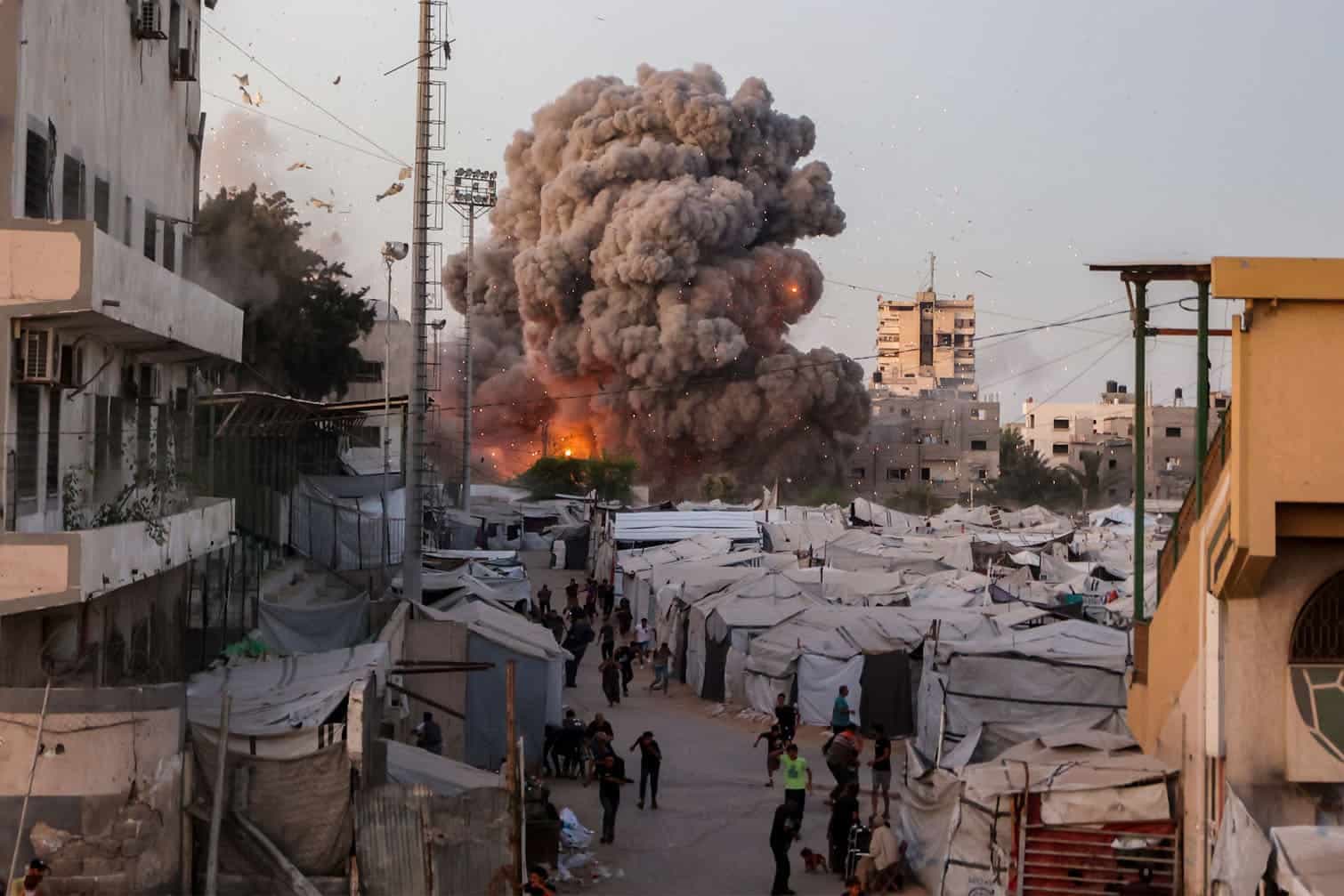
South Africa Accuses Israel of Defying Binding ICJ Genocide Orders
South Africa has formally charged Israel with non-compliance regarding the International Court of Justice's binding orders. This move marks a significant escalation in Pretoria's ongoing international legal campaign, highlighting the growing domestic and global debate over the enforcement of international law.
Global Warning: Why the World's Mountains Are Being Described as Ticking Time Bombs
A recent opinion piece published by South Africa's Independent Online (IOL) warns that the world's mountains are 'ticking time bombs'. The viral topic has sparked crucial discussions on global environmental stability and what it means for local water security.
Unisa vs ednews.africa: A Decisive Victory for South African Media Freedom
The resolution of a dispute between the University of South Africa (Unisa) and independent publisher ednews.africa has been hailed as a significant victory for press freedom. While specific legal details remain undisclosed, the case highlights the critical role of independent journalism in holding public institutions accountable.