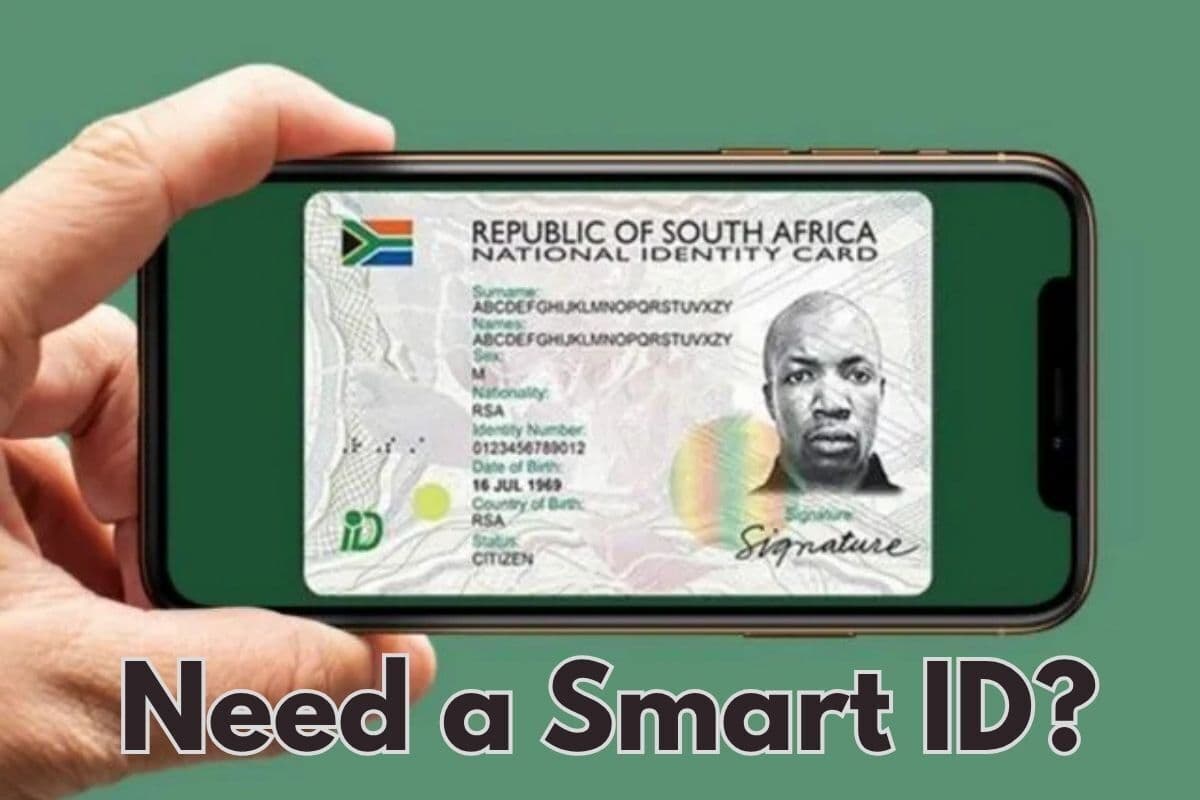
On 12 September 2026, the ongoing discussion surrounding South Africa's transition to identity smart cards resurfaced with updated focus on eligibility rules. The Department of Home Affairs continues to manage the roll-out of the Smart ID card, raising critical questions for various status holders. Specifically, the rules clarify who among South African citizens, permanent residents, and naturalised citizens can currently obtain these high-security identification documents.
The distinction between these three legal statuses is crucial for navigating South Africa's civic services. For years, the traditional green barcoded identity book has been the standard form of identification. However, as the government moves to modernise its systems, the Smart ID card has become the preferred standard. This shift has prompted many residents to seek clarity on whether they qualify for the newer card format or must remain with the older system.
For natural-born South African citizens, the process has been relatively straightforward. Citizens by birth have been eligible to apply for Smart ID cards since the initial phases of the rollout. This group includes young first-time applicants aged 16 and older, as well as pensioners and general citizens seeking to replace their green barcoded books. The application process for citizens is widely supported across various Home Affairs branches and participating bank partners.
In contrast, the rules for permanent residents have historically involved different administrative procedures. Permanent residents hold the right to live and work in South Africa indefinitely but do not possess full citizenship. Under established guidelines, the eligibility of permanent residents to apply for the Smart ID card has been subject to specific limitations, with many historically required to retain or apply for the green barcoded identity book instead. This distinction remains a key point of inquiry for non-citizens residing permanently in the country.
Naturalised citizens present another distinct category within the South African legal framework. These are individuals who were initially foreign nationals or permanent residents but successfully applied for and were granted South African citizenship through naturalisation. Because they hold full citizenship status, their eligibility for the Smart ID card aligns more closely with that of citizens by birth. However, administrative verification processes for naturalised citizens can sometimes differ, requiring specific documentation to confirm their status.
The latest reports highlight the necessity of understanding these rules to avoid confusion at Home Affairs offices. With long queues and administrative hurdles being a common feature of civic service delivery in South Africa, knowing your eligibility beforehand is vital. Applicants are encouraged to verify their specific status requirements before booking appointments, especially when attempting to use the online e-HomeAffairs portal or visiting participating commercial bank branches.
While the broad categories of eligibility are defined, specific operational details and system updates can influence how these rules are applied in practice. For instance, whether certain branches have the capacity to process applications for permanent residents or naturalised citizens remains a subject of ongoing operational adjustments. The Department of Home Affairs frequently updates its guidelines, making it essential for residents to monitor official announcements for any changes in application protocols.
Ultimately, the transition to the Smart ID card is a vital step toward securing South Africa's identity management systems. As the country moves closer to phasing out the green barcoded identity book entirely, ensuring that citizens, permanent residents, and naturalised citizens are fully informed of their rights and requirements is key to a smooth administrative transition. Staying updated on these official rules remains the best path forward for all residents.