Which groceries are cheapest at South Africa’s only luxury retailer? New reports spark consumer debate
A viral report has revealed that certain everyday grocery items are surprisingly cheapest at South Africa's only luxury retailer. As cost-of-living pressures mount, local shoppers are closely analyzing these price comparisons to stretch their household budgets.
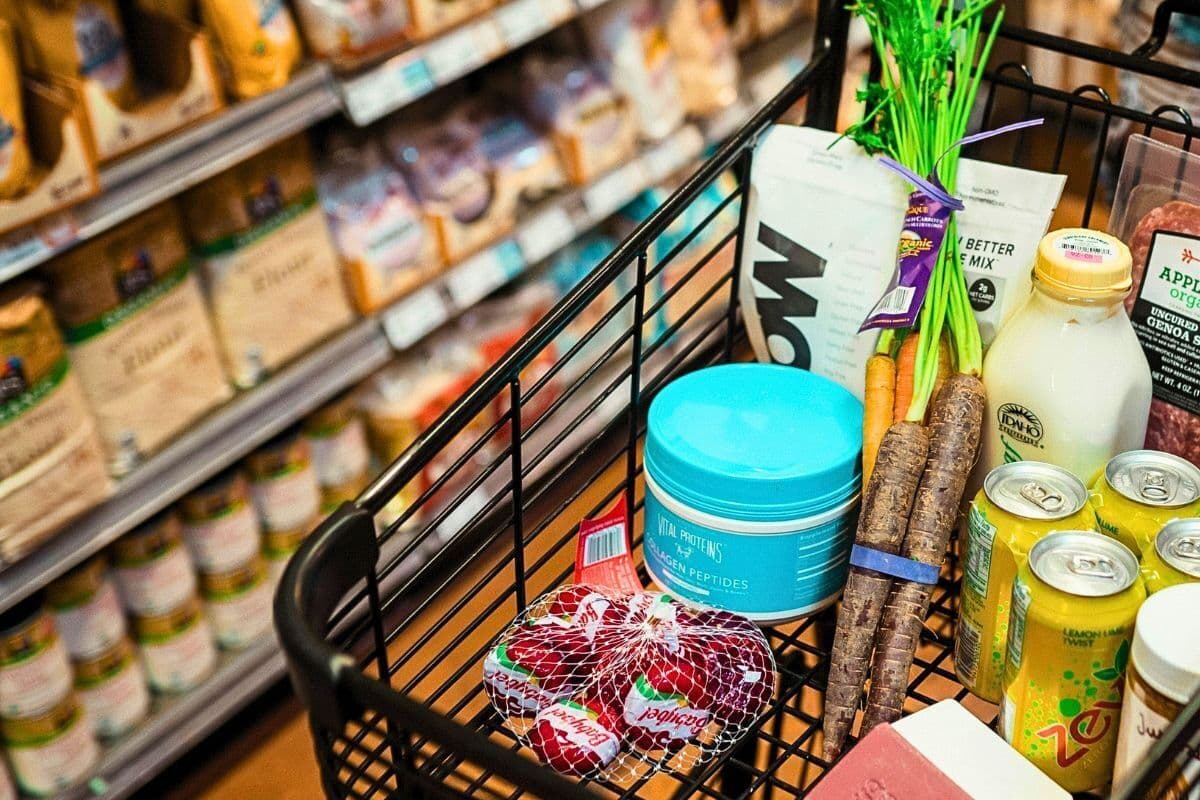
A surprising new consumer trend has captured the attention of South African shoppers, as reports emerge indicating that certain everyday grocery items are currently cheapest at the country’s only luxury retailer. The revelation, which began circulating widely in late August 2026, has challenged long-held perceptions about premium pricing in the local retail sector. For households grappling with ongoing economic pressures, the prospect of finding value at a high-end store has sparked intense interest and widespread discussion across social and digital media platforms.
In South Africa's highly competitive retail landscape, consumers have traditionally categorized supermarkets into distinct tiers, ranging from budget-friendly chains to premium, high-end outlets. The country's sole luxury retailer has long been associated with premium quality and correspondingly higher price tags, making it a destination primarily for affluent shoppers or special occasions. However, this latest market observation suggests that the lines between luxury and budget shopping are becoming increasingly blurred when it comes to specific household essentials.
The significance of this trend lies in the ongoing cost-of-living crisis affecting millions of South Africans. With food inflation and general household expenses remaining high, shoppers have become highly strategic, often visiting multiple stores to assemble the most cost-effective grocery basket. The news that a luxury retailer could offer the lowest price on certain items represents a major shift in consumer purchasing strategies. It suggests that dismissing high-end stores entirely based on their premium reputation might cause shoppers to miss out on genuine savings on basic goods.
While the viral reports have generated substantial excitement, specific details regarding which exact grocery items are cheaper remain a subject of close scrutiny. The initial data signals point to a broad comparison of staple goods, but the precise list of products—such as dairy, fresh produce, pantry staples, or household cleaning agents—has not been fully itemized in the public domain. Additionally, the exact price differences and the specific competitor supermarkets used for the benchmark comparison remain unspecified. Consumer advocates advise shoppers to verify these claims against their local store prices before altering their regular shopping routines.
The phenomenon of price convergence in the retail sector is not entirely new, but its manifestation at a luxury retailer is particularly noteworthy. Retail experts suggest that premium brands sometimes competitively price basic daily necessities to draw foot traffic into their stores, hoping that consumers will also purchase higher-margin luxury goods while there. This "loss leader" strategy or aggressive pricing on key value items could explain why certain staples are priced lower than or equal to those at mid-market competitors.
For South African consumers, the practical implication is clear: rigid loyalty to a single supermarket brand may no longer be the most economical choice. Savvy shoppers are increasingly utilizing digital price-comparison tools and catalog flyers to track prices in real-time. The revelation that luxury shopping environments can offer competitive pricing on everyday essentials is likely to encourage more middle-income households to cross over and incorporate luxury store visits into their weekly grocery runs.
Looking ahead, it remains to be seen how competing supermarket chains will respond to these findings. South Africa's retail market is notoriously aggressive, and major grocery chains are unlikely to cede their value-focused reputation without a fight. Industry analysts expect to see retaliatory price drops, promotional campaigns, or revamped loyalty program rewards as competitors attempt to reclaim price leadership. Consumers are advised to watch for updated independent basket comparisons in the coming weeks to see if these luxury-sector savings hold true over the longer term.
Reporting record
How this story was produced
This article was AI-generated from the frozen trend evidence and passed deterministic quality and safety gates. No cross-provider evidence review or independent human verification is claimed for this record.
- Byline
- Newstrends AI Newsroom
- First published
- Last material update
- No later material update recorded
- Distinct source identifiers
- 1 retained source identifier
Frozen source links for this publication
Chronology
Story timeline
A generated chronology for orientation; dates and details may require source verification.
Update
Reports emerge online highlighting that certain grocery items are cheapest at South Africa's premier luxury retailer, sparking widespread consumer interest.
Reader file
Frequently asked questions
01Which luxury retailer is being referred to in the reports?
While the reports focus on South Africa's only luxury retailer, the specific brand name was not explicitly detailed in the initial trend data.
02Which specific grocery items are cheapest at this retailer?
The precise list of cheaper grocery items, along with their exact prices and competitor comparisons, remains unspecified in the current reports.
Keep reading
Related coverage
More published reporting connected to this story.

New Guide Highlights Pensioner Discounts and Retail Deals Across South Africa
A viral report from The South African outlines the latest savings and discounts available to pensioners. As economic pressures mount, these retail deals offer crucial relief for senior citizens on fixed incomes.

Viral report reveals South Africans can purchase prepaid electricity with just R13
A viral lifestyle report has highlighted that South African consumers can purchase prepaid electricity for as little as R13. Amidst ongoing cost-of-living challenges, this low entry point has sparked significant interest, though the specific platforms and municipalities supporting this minimum remain to be fully detailed.

The Cost of Flexing: Why Flaunting Wealth Online is Becoming Crucial Evidence for Investigators
A public discussion has been sparked by recent media analysis questioning why individuals choose to flaunt unexplained wealth online when it could be used as evidence against them. This trend highlights the growing risks of digital exposure for those under investigation.
Elderly Mother Added to Late Son's R5.26 Million Death Benefit Despite Widow's Objections
An elderly South African mother has been awarded a share of her late son's R5.26 million death benefit. The allocation went ahead despite formal objections from the deceased's widow, highlighting the complex legalities of dependency.

From Homeless in the UK to Billionaire: The Untold Story of a South African's R2.1 Million-a-Week Triumph
A South African woman who endured two years of homelessness in the United Kingdom has reportedly built a massive financial empire. Now earning R2.1 million a week, her extraordinary journey from destitution to billionaire status has captured national attention.