Viral report reveals South Africans can purchase prepaid electricity with just R13
A viral lifestyle report has highlighted that South African consumers can purchase prepaid electricity for as little as R13. Amidst ongoing cost-of-living challenges, this low entry point has sparked significant interest, though the specific platforms and municipalities supporting this minimum remain to be fully detailed.
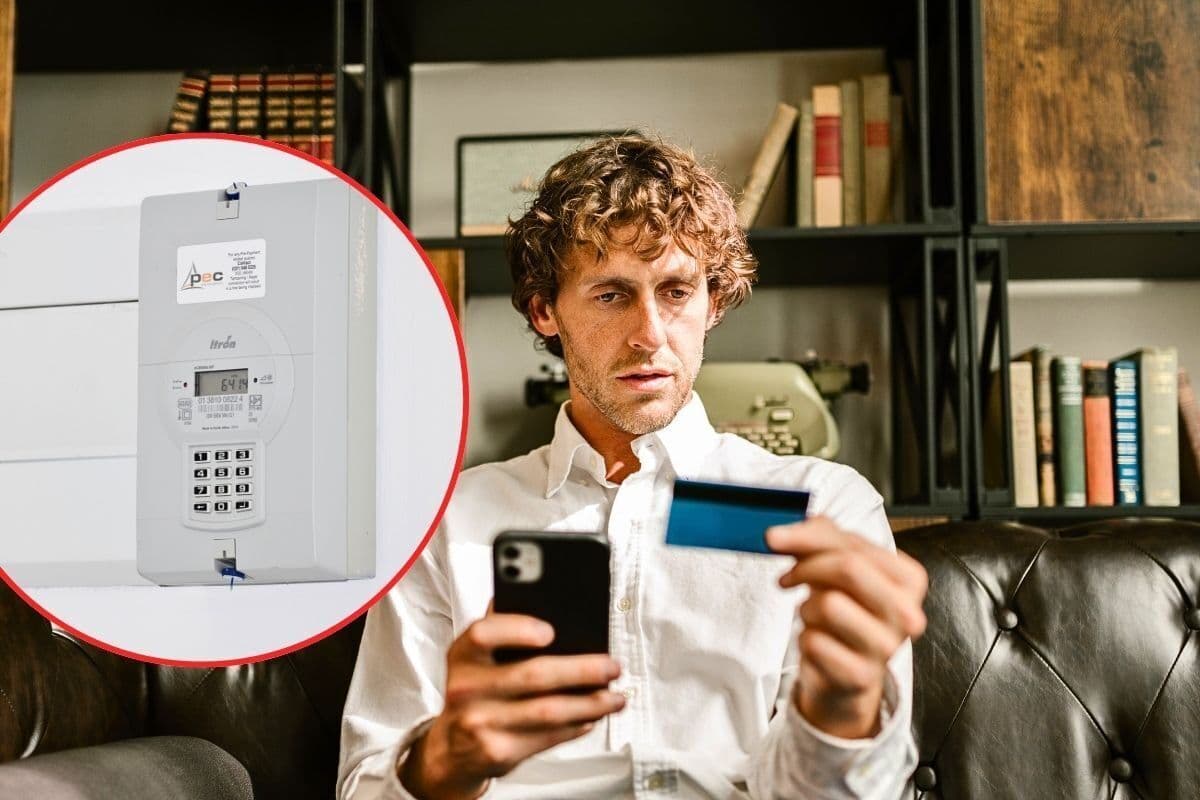
A viral news report has captured the attention of cash-strapped South Africans, revealing that it is possible to purchase prepaid electricity with as little as R13 to your name. The report, published by local outlet The South African on 22 August 2026, has quickly gained traction online as households across the country continue to seek ways to stretch their budgets. In a climate where utility costs remain a primary concern for many families, the prospect of securing electricity for such a low minimum amount represents a notable talking point for everyday consumers.
The significance of this development cannot be understated given the broader economic challenges facing South Africa. For many lower-income households, managing cash flow is a daily struggle, and being able to buy electricity in very small increments can make a crucial difference in keeping the lights on. While many consumers are accustomed to higher minimum purchase thresholds when buying tokens through various channels, the revelation of a R13 option offers a potential lifeline for those experiencing temporary financial shortfalls.
According to the trend data, the information originated from a lifestyle feature on the local news platform, highlighting the practical realities of managing household utilities under tight financial constraints. While the report has sparked widespread curiosity, the exact technical details of how and where this transaction can be executed are still being explored by consumers. It remains a key point of interest whether this low minimum is universally accessible or restricted to specific distribution networks.
In South Africa, the prepaid electricity distribution system is highly fragmented, involving power utilities, various local municipalities, and a wide array of third-party vendors, including major banks and retail outlets. Each of these entities typically sets its own minimum transaction limits and service fees. Consequently, the claim that one can purchase electricity for just R13 challenges the common perception that higher minimums are mandatory across all purchasing platforms.
At this stage, what remains unclear is the precise list of vendors, banking applications, or municipal areas that officially support this R13 transaction limit. The available source data does not specify whether this low threshold is a newly introduced policy by a particular utility provider or if it is an existing, underutilised feature of certain third-party payment systems. Consumers are advised to check with their local service providers and banking apps to verify if the R13 option is active in their specific areas.
The practical implications of this news are likely to prompt many South Africans to test their preferred purchasing platforms. If widely supported, a R13 minimum purchase limit could democratise access to basic electricity, allowing individuals to buy small amounts of energy to cover immediate, short-term needs. This could be particularly useful for students, pensioners, or anyone waiting for their next payday who simply needs to power essential appliances for a few hours.
Moving forward, observers and consumers alike will be watching to see if major financial institutions, retail chains, or municipal electricity departments issue official clarifications regarding their minimum purchase limits. As this viral news continues to circulate, public demand for clearer guidelines on low-value utility transactions is expected to grow. Whether this R13 threshold becomes a widely recognised standard or remains a localized anomaly is a key development to watch in the coming weeks.
Reporting record
How this story was produced
This article was AI-generated from the frozen trend evidence and passed deterministic quality and safety gates. No cross-provider evidence review or independent human verification is claimed for this record.
- Byline
- Newstrends AI Newsroom
- First published
- Last material update
- No later material update recorded
- Distinct source identifiers
- 1 retained source identifier
Frozen source links for this publication
Chronology
Story timeline
A generated chronology for orientation; dates and details may require source verification.
Update
The South African publishes a viral lifestyle report indicating that consumers can buy prepaid electricity for as little as R13.
Reader file
Frequently asked questions
01Is it really possible to buy electricity for R13 in South Africa?
According to a viral report published by The South African on 22 August 2026, it is possible to buy prepaid electricity with only R13. However, the exact platforms or municipalities that support this specific minimum amount remain to be fully detailed.
02Which vendors or banks allow the R13 electricity purchase?
The current trend data does not specify which banking apps, retail outlets, or municipalities facilitate this R13 transaction. Consumers are encouraged to check with their local service providers.
Keep reading
Related coverage
More published reporting connected to this story.

New Guide Highlights Pensioner Discounts and Retail Deals Across South Africa
A viral report from The South African outlines the latest savings and discounts available to pensioners. As economic pressures mount, these retail deals offer crucial relief for senior citizens on fixed incomes.

Outrage as Top SA Telecom Exec Receives R41.7m Payout and Wishes Team 'Pain and Hardship'
Reports of a South African telecommunications executive receiving a massive R41.7 million package while wishing their team 'pain and hardship' have gone viral. The controversial remarks have sparked widespread debate over executive pay and corporate leadership culture in the country. Many key details regarding the executive's identity and the context of the comments remain unconfirmed.
Spicy Peri-Peri Chicken Marinade Trends Ahead of South African Weekend Braais
A new peri-peri chicken marinade guide from IOL has gone viral in South Africa just in time for weekend braai planning. The trend highlights a strong local interest in spicy, homemade flavors for outdoor cooking. While specific recipe details remain with the original publisher, the buzz reflects a classic South African weekend tradition.

Oscar Chalupsky Shares 'Dire' Cancer Treatment Update as 'The Fight Continues'
Prominent South African Oscar Chalupsky has shared a challenging health update regarding his ongoing cancer treatment. Despite the 'dire' news, he remains determined, declaring that 'the fight continues' as he undergoes advanced therapy.

Viral Trend Highlights Hayden Panettiere’s Special Connection to South Africa Amid Recent Media Reports
A viral report from a local outlet has sparked widespread interest in Hayden Panettiere’s ties to South Africa. While the trend has captured significant attention, key details surrounding the context of the reports remain unconfirmed.