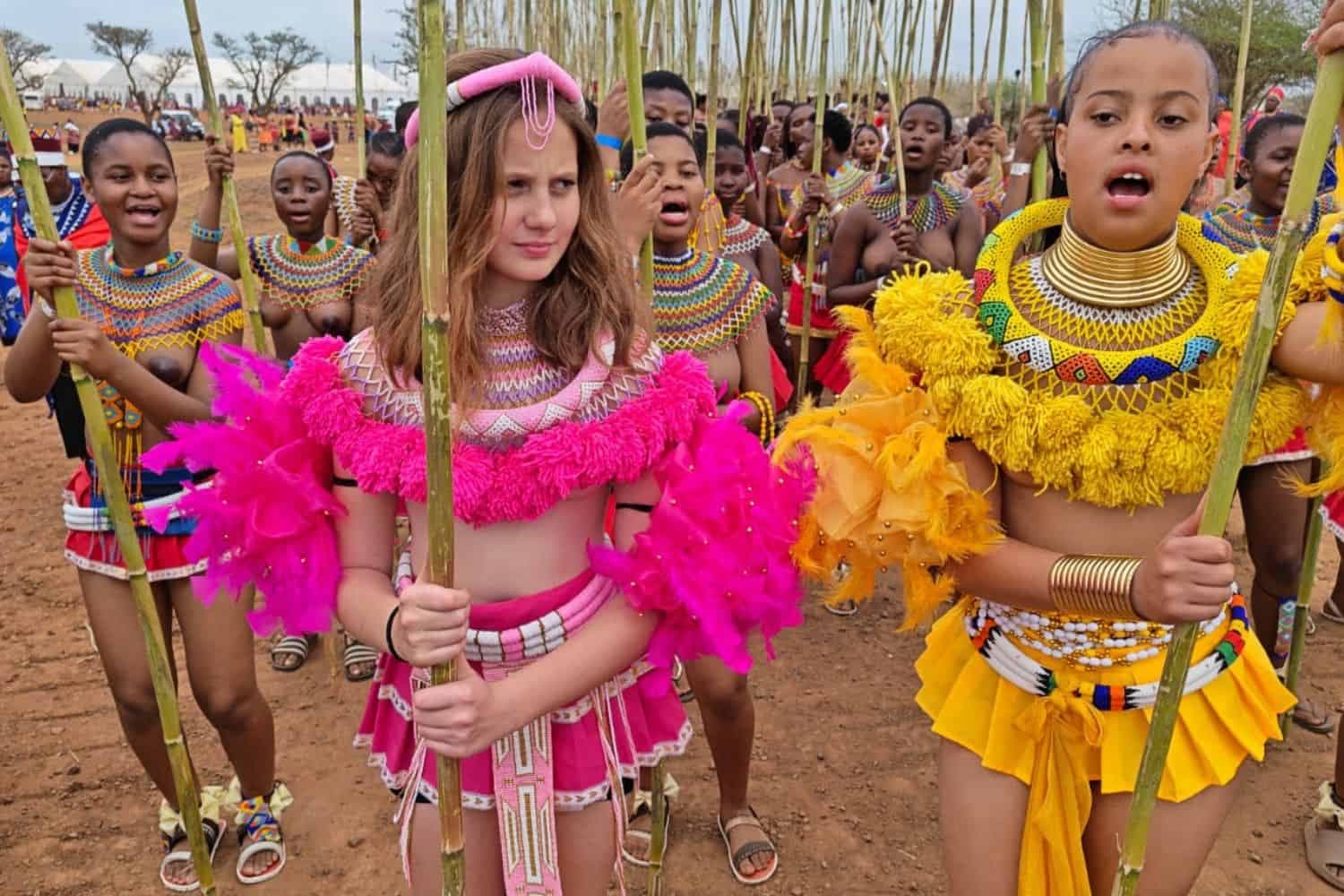
The annual Zulu Reed Dance (Umkhosi WoMhlanga) in KwaZulu-Natal has once again captured the nation's attention, drawing an estimated 30,000 maidens to the traditional celebration. Among the thousands of participants gathered for the historic cultural ceremony, Anastasia Fourie has emerged as a standout figure. Her participation has shone a spotlight on the event, capturing widespread interest and rapidly trending across South African media platforms.
According to reports captured on 12 September 2026, Fourie's presence at the ceremony has become a major focal point. Classified under viral news, the media coverage highlights how her involvement resonated deeply with both onlookers at the venue and digital audiences across the country. While specific details about her personal background, hometown, and her path to the ceremony remain limited in the initial reports, her prominent role during the traditional gathering has sparked extensive public discussion online.
The Zulu Reed Dance is a deeply revered cultural institution held annually in the KwaZulu-Natal province, attracting thousands of visitors. It serves as a significant rite of passage for young Zulu women, designed to promote self-respect, community development, and the preservation of rich cultural heritage. The massive gathering of 30,000 maidens this year underscores the enduring strength and relevance of traditional customs in contemporary South Africa, drawing spectators, traditional leaders, and media from across the country.
The spotlight on Anastasia Fourie highlights the evolving nature of cultural participation and representation in South Africa. Her involvement and the subsequent public fascination reflect how traditional ceremonies continue to engage a diverse audience. In a nation defined by its multicultural identity, moments of unique participation in deeply rooted cultural events often generate significant national dialogue, bridging historical traditions with modern South African society.
National media outlets, including The Citizen, have documented the event, sharing visual coverage of the massive gathering and Fourie's participation. The visual spectacle of the event—featuring thousands of young women dressed in vibrant traditional attire—makes it a highly engaging occasion for digital platforms. This year's celebration has successfully leveraged online media to bring the rich traditions of KwaZulu-Natal to a broader national and international audience.
While the headline figures of 30,000 participants and the viral focus on Anastasia Fourie are well-established, several details about the event's logistics and participants remain unclear. The available reports do not specify Fourie's personal connection to the Zulu community or her specific motivations for participating in the Reed Dance. Without further detailed profiles or direct statements, the public is left to appreciate her participation as a symbol of unity and cultural appreciation, awaiting more information on her personal story.
As the ceremony concludes, the event stands as a powerful testament to the resilience of cultural practices in South Africa. The impressive turnout of 30,000 maidens confirms that traditional ceremonies remain a vital part of the social and spiritual fabric of KwaZulu-Natal. Moving forward, observers will be watching how future iterations of the Reed Dance continue to blend ancient customs with modern viral media, ensuring South Africa's diverse heritage remains vibrant.