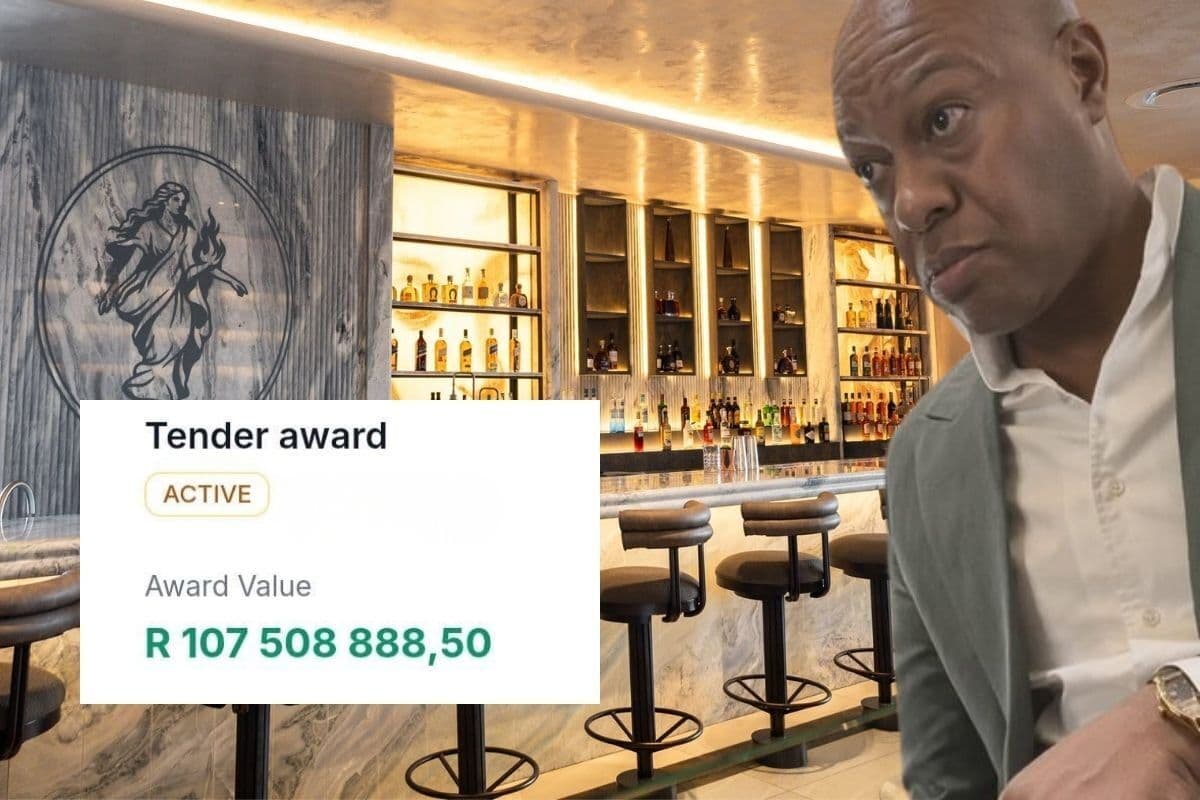
Reports have emerged indicating that a Zimbabwean businessman is currently the subject of an official investigation following the widespread circulation of a viral video linked to a venue identified as Vlamo restaurant. The development, which surfaced in South African media on 19 September 2026, has rapidly captured the attention of the public, highlighting the powerful role that digital media plays in triggering formal inquiries. While the initial reports from local publications such as The South African have confirmed the existence of the probe, many specific details surrounding the incident remain closely guarded by investigators.
At this stage of the unfolding story, the precise identity of the Zimbabwean businessman has not been officially released to the public, nor have authorities clarified the exact nature of the allegations he faces. The video itself, which has reportedly gone viral across various social media networks, serves as the central piece of evidence or catalyst for the current probe. In South Africa's highly connected digital landscape, viral footage frequently acts as a public whistleblowing mechanism, prompting swift responses from law enforcement, regulatory bodies, or private security agencies.
The connection to Vlamo restaurant is another critical element of the ongoing investigation that requires further clarification. It remains unclear whether the establishment served as the physical setting for the events captured in the video, or if the business itself is directly tied to the commercial interests of the businessman under scrutiny. Establishments in the hospitality sector often find themselves thrust into the spotlight when incidents occurring on their premises are shared widely online, necessitating clear communication from management regarding their involvement or cooperation with law enforcement.
This incident underscores a broader trend within South Africa and the wider Southern African region, where social media platforms function as informal watchdogs. When controversial or potentially unlawful behavior is documented and shared online, public pressure often accelerates the timeline for formal investigations. For regional business figures, particularly those operating across borders between Zimbabwe and South Africa, public reputation is highly sensitive, and allegations of this nature can have immediate economic and social repercussions.
As the investigation proceeds, legal experts emphasize the importance of maintaining the presumption of innocence. In high-profile cases initiated by viral media, there is often a tension between the public's demand for immediate information and the necessity of conducting a fair, unbiased, and thorough legal inquiry. South African authorities typically withhold specific charges and personal identifiers until formal charges are laid in a court of law, a practice designed to protect the integrity of the judicial process and the rights of all parties involved.
Moving forward, observers and the general public will be watching closely for official statements from the relevant law enforcement agencies, the management of Vlamo restaurant, or legal representatives acting on behalf of the accused businessman. As of now, the situation remains fluid, with the primary facts limited to the existence of the viral video and the confirmed status of the investigation. Further updates are anticipated as investigators analyze the digital evidence and determine whether criminal charges or regulatory actions are warranted.