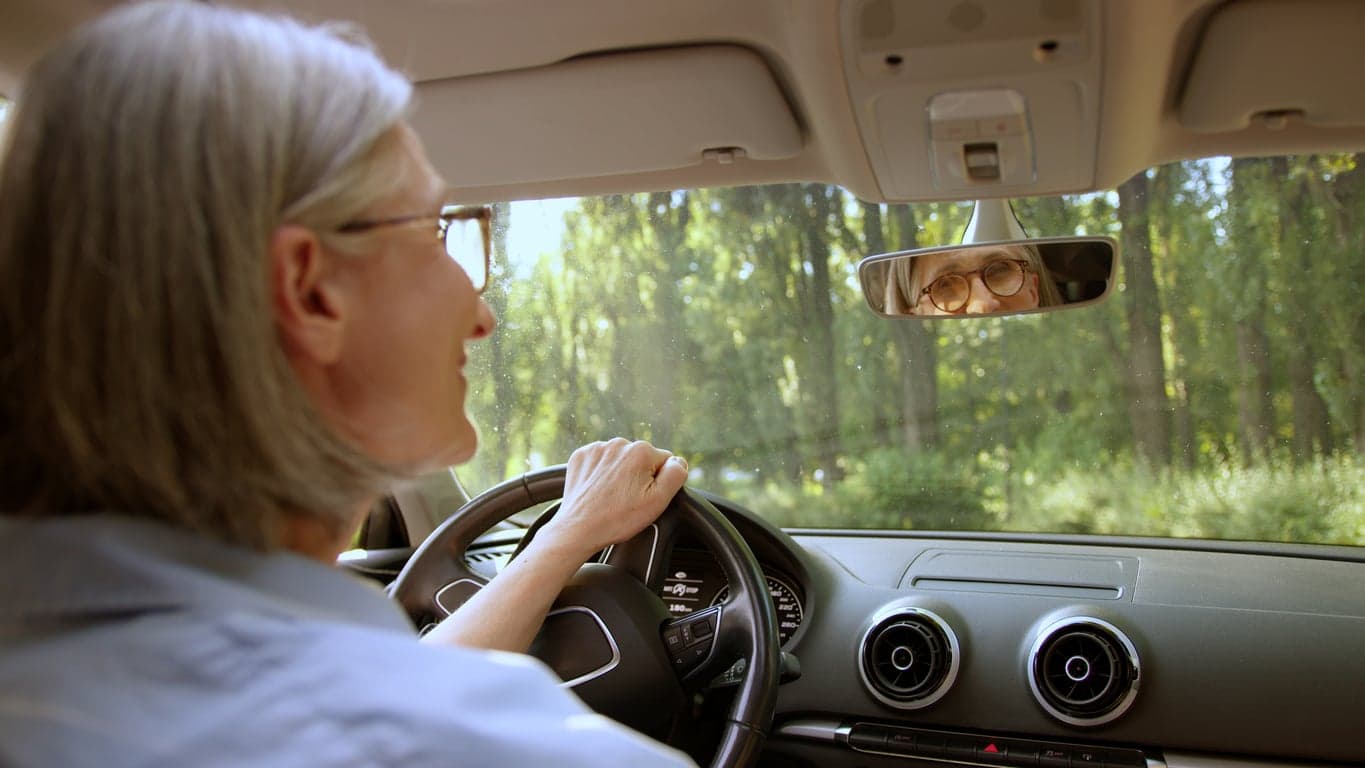
On 5 August 2026, South African news portal The Citizen published an opinion piece that quickly captured the attention of readers across the country. Titled "My mum is nearly 84 and still driving everything, including us, mad," the article highlights a deeply relatable family dilemma that many South Africans face: navigating the delicate balance between an elderly parent's independence and the safety concerns of their loved ones.
While the specific identity of the author and the exact family anecdotes remain confined to the original opinion piece, the headline alone has struck a chord. Categorised as viral news, the publication of this piece has sparked a broader public conversation regarding senior motorists, family dynamics, and road safety in South Africa. For many households, the question of when an aging relative should stop driving is a source of ongoing anxiety and conflict.
The significance of this discussion cannot be understated in the South African context. In a country where public transport options can be inconsistent or inaccessible for the elderly, a driver's licence is often seen as a vital lifeline. It represents freedom, self-reliance, and the ability to perform everyday tasks such as grocery shopping, visiting doctors, or attending social gatherings without needing to ask for assistance.
However, as individuals approach their mid-eighties, natural physical changes can begin to affect their driving capabilities. Declining eyesight, slower reflexes, reduced joint mobility, and cognitive changes can make navigating busy South African roads increasingly challenging. For family members, watching these changes occur often leads to a difficult dilemma: how to protect their parents—and other road users—without stripping away their dignity and independence.
From a regulatory perspective, South Africa's licensing laws do not currently impose automatic age-based restrictions on drivers. Motorists of all ages are required to renew their driving licence cards every five years, a process that includes a standard eye test. While medical practitioners can report unfit drivers to the authorities, there is no mandatory annual medical or practical driving assessment required simply because a motorist reaches a certain age. This leaves much of the responsibility for monitoring an elderly driver's fitness on the individual and their immediate family.
The viral reaction to the article in The Citizen underscores the emotional weight of this issue. The phrase "driving everything, including us, mad" perfectly captures the mixture of humour, frustration, and genuine concern that families experience. Online comments and discussions surrounding the topic often reveal a sharp divide. Some advocate for stricter, age-related licensing laws to ensure road safety, while others strongly defend the rights of senior citizens, arguing that age alone is not an accurate indicator of driving ability.
For families attempting to navigate this transition, the lack of accessible alternative transport remains a major hurdle. While ride-hailing services and community-based transport initiatives are increasingly available in major metropolitan hubs like Johannesburg, Cape Town, and Durban, seniors living in smaller towns or rural areas face significant isolation if they give up their vehicles. This lack of infrastructure often forces families to delay the conversation, sometimes until an accident or near-miss occurs.
Ultimately, the viral interest in this opinion piece highlights a growing societal challenge. As South Africa's population ages, the dialogue surrounding senior mobility, family support systems, and road safety regulations is set to continue. Whether through policy discussions or community-led transport solutions, finding ways to support both the safety and the dignity of elderly citizens remains a pressing issue for families nationwide.