UWC Commits to Flying the Pride Flag in Show of LGBTQ+ Solidarity
The University of the Western Cape has made a public commitment to fly the Pride Flag on its campus. The move signals the institution's support for LGBTQ+ inclusion and has drawn attention across South Africa. Details of the announcement emerged on 30 October 2026.
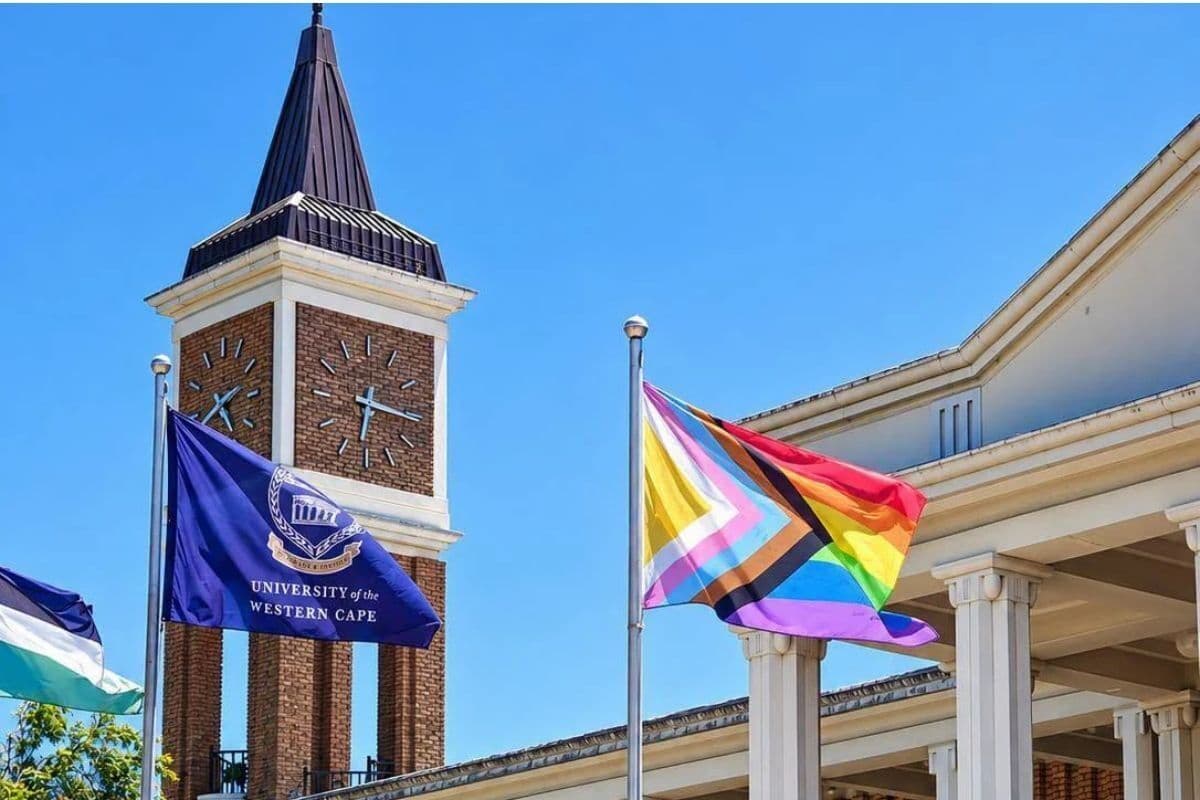
The University of the Western Cape (UWC) has announced its commitment to flying the Pride Flag, positioning itself as a visible champion of LGBTQ+ rights and inclusivity within South Africa's higher education sector. The announcement, which surfaced on 30 October 2026, has quickly gained traction online and sparked broader conversation about the role universities play in affirming the dignity of all students and staff.
While the full details of the commitment — including the specific locations on campus where the flag will be flown and the duration of the display — have not been confirmed in the available information, the core pledge itself is clear: UWC intends to make a public, symbolic statement of support for the LGBTQ+ community by raising the internationally recognised rainbow Pride Flag. What remains unclear at this stage is whether the commitment is tied to a specific event, such as Pride Month, or whether it represents a permanent fixture on campus.
For a university with UWC's historical identity, the move carries particular weight. Founded during the apartheid era and historically designated for Coloured students under the regime's classification system, UWC has long styled itself as a progressive institution rooted in social justice and the fight against discrimination. Flying the Pride Flag fits naturally into that narrative, extending its anti-discrimination ethos to encompass gender identity and sexual orientation.
South Africa's Constitution, widely regarded as one of the most progressive in the world, explicitly prohibits discrimination on the basis of sexual orientation — a protection that was groundbreaking when the Constitution came into force in 1996 and which South Africa became the first country in Africa to enshrine. Despite this legal framework, LGBTQ+ individuals in South Africa continue to face social stigma, violence, and marginalisation in many communities, making visible acts of institutional solidarity more than merely symbolic.
Within the university sector specifically, LGBTQ+ students often report feeling isolated or unwelcome, and incidents of discrimination and harassment on campuses remain a concern across the country. An institution the size and standing of UWC making an explicit commitment to fly the Pride Flag sends a message not only to its own student body and staff, but potentially to peer institutions and to the government bodies that fund and oversee higher education.
The announcement has been described as going viral, suggesting that public reaction has been strong and widespread. Whether that reaction is predominantly supportive or has attracted pushback is not yet clear from the available information. In South Africa's complex social landscape, LGBTQ+ visibility can be a polarising issue, and university administrations that take public stances on such matters often find themselves navigating strong opinions from multiple directions — from students' representative councils, religious groups, parent bodies, and civil society organisations alike.
It is also worth noting the timing of the announcement, coming at the end of October 2026. In South Africa, Pride events are held in various cities throughout the year, with Cape Town — where UWC is located in Bellville — hosting one of the most prominent annual Pride celebrations. Whether UWC's commitment is connected to any scheduled Pride event in the Western Cape remains to be confirmed.
For students and staff at UWC, particularly those who identify as LGBTQ+, the visible display of a Pride Flag on campus can carry genuine practical and emotional significance. Research consistently shows that environments where LGBTQ+ people feel seen and affirmed contribute to better mental health outcomes, higher academic performance, and reduced dropout rates. In that sense, what might appear to some as a purely symbolic gesture has real-world implications for the wellbeing of members of the university community.
As this story develops, readers should watch for further details from UWC regarding the specifics of the commitment — including any formal policy changes, support structures, or events that accompany the flag-flying pledge. Responses from student bodies, staff associations, and civil society will also be worth monitoring to gauge the broader impact of the announcement on the conversation around LGBTQ+ inclusion in South African higher education.
Reporting record
How this story was produced
This article was AI-generated from the frozen trend evidence and passed deterministic quality and safety gates. No cross-provider evidence review or independent human verification is claimed for this record.
- Byline
- Newstrends AI Newsroom
- First published
- Last material update
- No later material update recorded
- Distinct source identifiers
- 1 retained source identifier
Frozen source links for this publication
Chronology
Story timeline
A generated chronology for orientation; dates and details may require source verification.
Update
UWC publicly commits to flying the Pride Flag; announcement captured and reported online.
Reader file
Frequently asked questions
01What has UWC committed to doing regarding the Pride Flag?
The University of the Western Cape has committed to flying the Pride Flag on its campus, signalling its support for LGBTQ+ inclusion and dignity.
02When was UWC's Pride Flag commitment announced?
The announcement was captured on 30 October 2026.
03Will the Pride Flag be flown permanently at UWC?
The specific duration and locations of the flag display have not yet been confirmed in available reports.
04Why is this significant for South Africa?
Despite having one of the world's most progressive constitutions on LGBTQ+ rights, South African LGBTQ+ individuals still face social challenges, making institutional support from major universities particularly meaningful.