Ugandan Nationals Arrested in Tshwane Cross-Border Motorcycle Smuggling Bust
Several Ugandan nationals have been arrested in Tshwane in connection with a cross-border motorcycle smuggling ring. The bust highlights the growing challenge of transnational vehicle trafficking networks operating out of Gauteng.
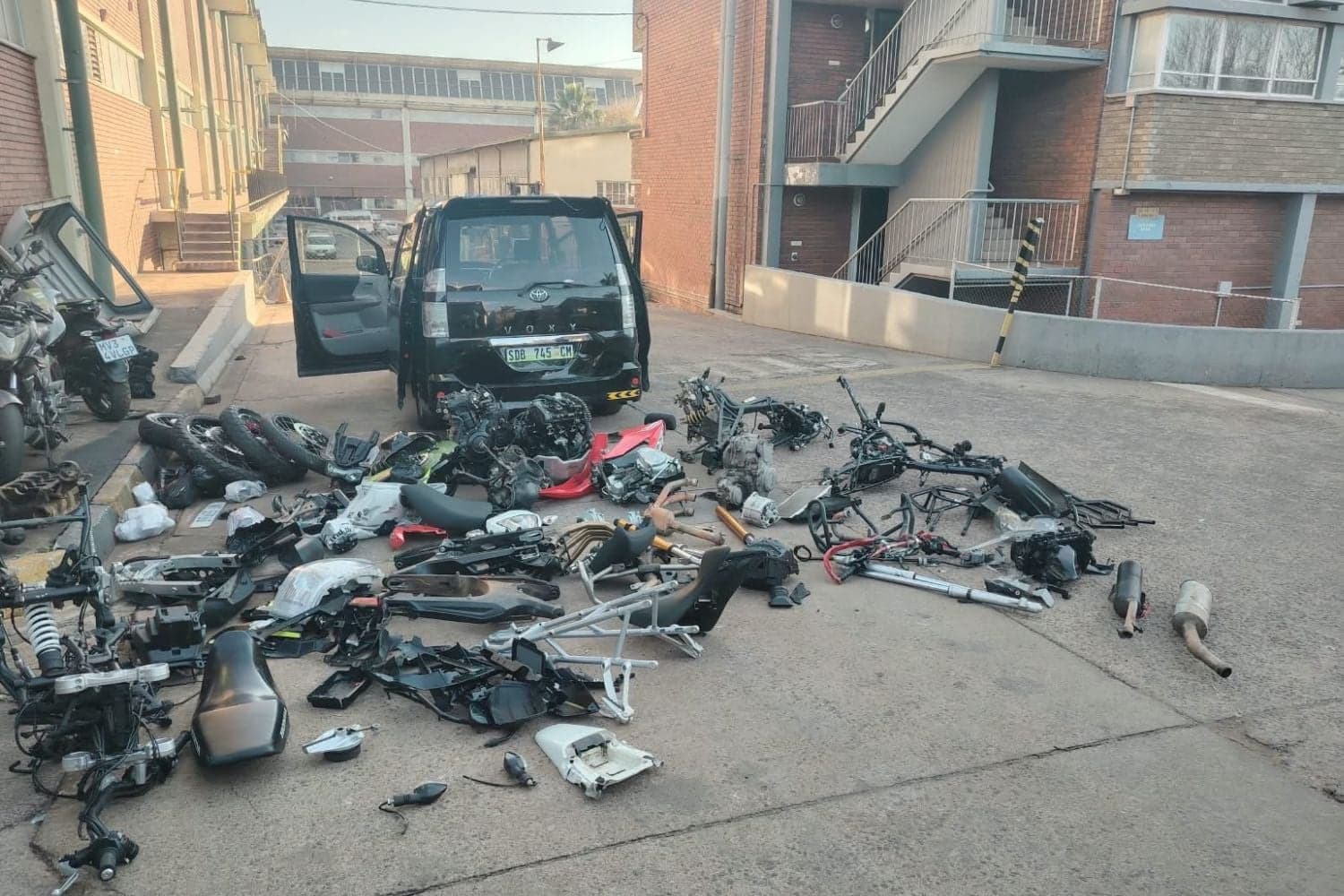
Law enforcement authorities in Gauteng have dealt a blow to international syndicate operations following a cross-border motorcycle smuggling bust. Ugandan nationals have been arrested in connection with the illicit operation, which appears centered around the Tshwane metropolitan area. The arrests, reported on 24 August 2026, highlight the ongoing battle against cross-border vehicle and motorcycle trafficking networks operating within South Africa's borders.
While official details regarding the specific number of suspects arrested remain limited, initial reports confirm that Ugandan nationals are at the centre of the bust. The operation, which targeted a cross-border smuggling ring, has put a spotlight on Tshwane as a critical point of interest for these illicit activities. Law enforcement agencies have not yet released the exact quantities or monetary value of the seized motorcycles, nor have they detailed the specific methods used by the suspects to transport the vehicles across South Africa’s borders.
The involvement of the Tshwane region is highly significant. As the administrative capital of South Africa, Tshwane sits at a geographical crossroads, linking the industrial heartland of Gauteng with major transport routes leading to the northern and eastern borders of the country. This positioning makes the metro a strategic hub not only for legitimate trade but also for criminal networks seeking to move stolen goods outward to neighboring African countries.
Cross-border motorcycle smuggling has increasingly become a concern for South African insurers and law enforcement alike. Unlike larger passenger vehicles or commercial trucks, motorcycles are relatively easy to conceal in shipping containers, transport on the backs of utility vehicles, or ride across porous border points undetected. Furthermore, there is a high demand for two-wheeled transport in regional markets, where motorcycles are widely used for courier services, personal commuting, and navigating difficult terrain.
This bust underscores the complex nature of transnational crime in Southern Africa. Syndicates frequently recruit foreign nationals, including individuals from East African countries such as Uganda, to manage logistics, forge documentation, or coordinate the movement of goods across multiple borders. This international dimension complicates local policing efforts, as it requires coordination across different jurisdictions and an understanding of how these networks operate beyond South Africa's borders.
The South African Police Service (SAPS) and metropolitan police departments have been under immense pressure to curb the flow of stolen property leaving the country. Vehicle tracking companies and security experts often point out that once a stolen vehicle or motorcycle crosses an international border, the chances of recovery drop exponentially. Consequently, intercepting these smuggling rings before the goods leave major urban centres like Tshwane is crucial for law enforcement success.
At this stage, several key details of the investigation remain undisclosed. It is still unclear which specific countries the smuggled motorcycles were destined for, or whether the suspects operated a localized chop-shop where vehicles were dismantled before being shipped. Additionally, the identity of the suspects and the specific charges they will face in court have not yet been made public by the National Prosecuting Authority (NPA).
As the investigation unfolds, South Africans will be watching to see if this bust leads to further arrests of high-level syndicate leaders. The public can expect more details to emerge during the suspects' initial court appearances in Gauteng. This case will likely renew calls for tighter border security and more robust cooperation between South African authorities and regional law enforcement bodies to disrupt the lucrative trade of smuggled vehicles.
Reporting record
How this story was produced
This article was AI-generated from the frozen trend evidence and passed deterministic quality and safety gates. No cross-provider evidence review or independent human verification is claimed for this record.
- Byline
- Newstrends AI Newsroom
- First published
- Last material update
- No later material update recorded
- Distinct source identifiers
- 1 retained source identifier
Frozen source links for this publication
Chronology
Story timeline
A generated chronology for orientation; dates and details may require source verification.
Update
Reports emerge detailing the arrest of Ugandan nationals in a cross-border motorcycle smuggling bust in Tshwane.
Reader file
Frequently asked questions
01Where did the motorcycle smuggling bust take place?
The bust and subsequent arrests of Ugandan nationals were centered around the Tshwane metropolitan area in Gauteng, South Africa.
02Who was arrested in the operation?
Ugandan nationals were arrested in connection with the cross-border smuggling syndicate.
03What details about the smuggled goods are currently known?
While the bust involved a motorcycle smuggling ring, authorities have not yet released the exact number or value of the seized motorcycles.
Keep reading
Related coverage
More published reporting connected to this story.

Three Suspects Shot Dead in Violent Alrode Gun Battle Following Robbery
Three suspects have been killed in a shootout following an armed robbery in the industrial hub of Alrode, Alberton. The incident highlights the ongoing security challenges and violent crime facing businesses in Gauteng's key economic zones.
Gauteng Man Faces Attempted Murder Charges After Allegedly Infecting Partner with HIV
A Gauteng man is facing attempted murder charges for allegedly infecting his girlfriend with HIV. The case has reignited critical legal and ethical debates surrounding disease transmission, consent, and criminal justice in South Africa.
Reiger Park Murders: Third Suspect Arrested as CCTV Footage Raises Questions Over Shooter
A third suspect has been arrested in connection with the Reiger Park murders in Gauteng. The breakthrough comes amid reports that newly emerged CCTV footage is raising critical questions regarding the alleged gunman.

Soweto Murder Suspect Apprehended Just Hours After SAPS Launches Urgent Manhunt
A suspected murderer in Soweto has been swiftly arrested following an urgent manhunt by law enforcement on 19 August 2026. While specific details about the crime and the suspect remain undisclosed, the rapid arrest has brought temporary relief to the Gauteng community.

Soweto murder fugitive arrested following community tip-off and media campaign
A suspect wanted in connection with a murder in Soweto has been arrested after a successful media campaign. The breakthrough came when an alert member of the public provided a crucial tip-off to law enforcement.