Two Million Football Fans Flood Madrid to Celebrate Spain's World Cup Victory
An estimated two million fans have packed the streets of Madrid to celebrate Spain's FIFA World Cup victory. The massive turnout highlights the global impact of the tournament, drawing significant interest from South African sports fans.
The streets of Madrid have been transformed into a sea of celebration as an estimated two million fans gathered to mark Spain's historic victory in the FIFA World Cup. According to reports monitored by South African media on 21 July 2026, the Spanish capital was completely overwhelmed by supporters eager to catch a glimpse of their sporting heroes and participate in a historic national moment.
The sheer scale of the gathering—numbering approximately two million people—highlights the immense global appeal of football and the profound impact of a World Cup triumph. For South African readers, who well remember the vibrant energy of hosting the tournament in 2010 and the massive public gatherings that accompanied it, the scenes in Madrid resonate deeply. Major sporting victories have a unique ability to unite diverse populations, and Spain's capital has become the epicentre of this global phenomenon.
The news of the massive celebrations was carried by prominent South African news platforms, including Independent Online (IOL), reflecting the strong local appetite for international football updates. While the tournament itself took place on the global stage, the repercussions of the final match are being felt worldwide, with local fans closely following how the victorious nation celebrates its success.
At this stage of the reporting, the primary verified detail remains the extraordinary turnout of two million fans in Madrid following the conclusion of the FIFA World Cup 2026. The celebration marks a significant milestone for Spanish football, cementing their position at the pinnacle of the international game. However, several specific details surrounding the final match itself remain unconfirmed in the initial wave of reports.
In keeping with strict journalistic standards, it is important to note what remains unclear. The available source data does not specify the final score of the championship match, the identity of the runner-up team that Spain defeated to claim the trophy, or the names of the players who secured the decisive goals. Furthermore, the exact route of the victory parade through Madrid and any official statements from the coaching staff or team captain have not been detailed in these initial updates.
Despite these missing details, the social and economic significance of the event is undeniable. A public gathering of two million people requires massive logistical coordination, stretching Madrid's public transport, municipal services, and security infrastructure to their absolute limits. For urban planners and event coordinators globally, including those managing large-scale events in South African cities like Johannesburg, Cape Town, and Durban, the successful management of such a crowd offers valuable operational insights.
As the dust settles on the immediate celebrations, the focus will inevitably shift to the long-term impact of this victory on Spanish football. Analysts will be watching closely to see how this triumph influences the domestic league, player valuations, and the development of youth football systems across Spain. Additionally, the global football community will begin looking forward to the next international cycles and qualification campaigns.
For South African soccer enthusiasts, the spectacle in Madrid serves as a reminder of the beautiful game's power to captivate and inspire. Over the coming days, more details are expected to emerge regarding the team's official reception by state dignitaries and the formal press conferences that will wrap up this historic chapter in sports history.
Reporting record
How this story was produced
This article was AI-generated from the frozen trend evidence and passed deterministic quality and safety gates. No cross-provider evidence review or independent human verification is claimed for this record.
- Byline
- Newstrends AI Newsroom
- First published
- Last material update
- No later material update recorded
- Distinct source identifiers
- 1 retained source identifier
Frozen source links for this publication
Chronology
Story timeline
A generated chronology for orientation; dates and details may require source verification.
Update
South African media outlets report on the two million fans celebrating Spain's World Cup victory in Madrid.
Reader file
Frequently asked questions
01How many people attended the World Cup celebration in Madrid?
Reports indicate that approximately two million fans filled the streets of Madrid to celebrate the victory.
02Where did the news of the celebration originate?
The celebration was reported by South African media outlets, including Independent Online (IOL), on 21 July 2026.
03What were the final scores and who did Spain play against?
The available source data does not specify the final match score or the opponent team Spain defeated to win the World Cup.
Keep reading
Related coverage
More published reporting connected to this story.

World Cup WAGS: South African Media Spotlights the Partners Behind Football's Biggest Stars
A prominent South African news outlet has turned its focus to the partners of global football icons in a newly tracked lifestyle feature. The trend highlights the enduring public interest in the human-interest stories that accompany major sporting events.

Kaizer Chiefs and Knowledge Musona Set for Highly Anticipated Weekend Reunion
Reports indicate that South African football giants Kaizer Chiefs are set to reunite with Knowledge Musona this coming weekend. While the exact nature of the meeting remains unconfirmed, the news has sparked significant excitement among local sports fans.

Five Released Kaizer Chiefs Players Set to Face Amakhosi in Upcoming PSL Season
Reports indicate that five recently released Kaizer Chiefs players are preparing to go head-to-head with their former club in the upcoming season. This sets the stage for high-stakes reunions and intense on-field drama in the Premier Soccer League.
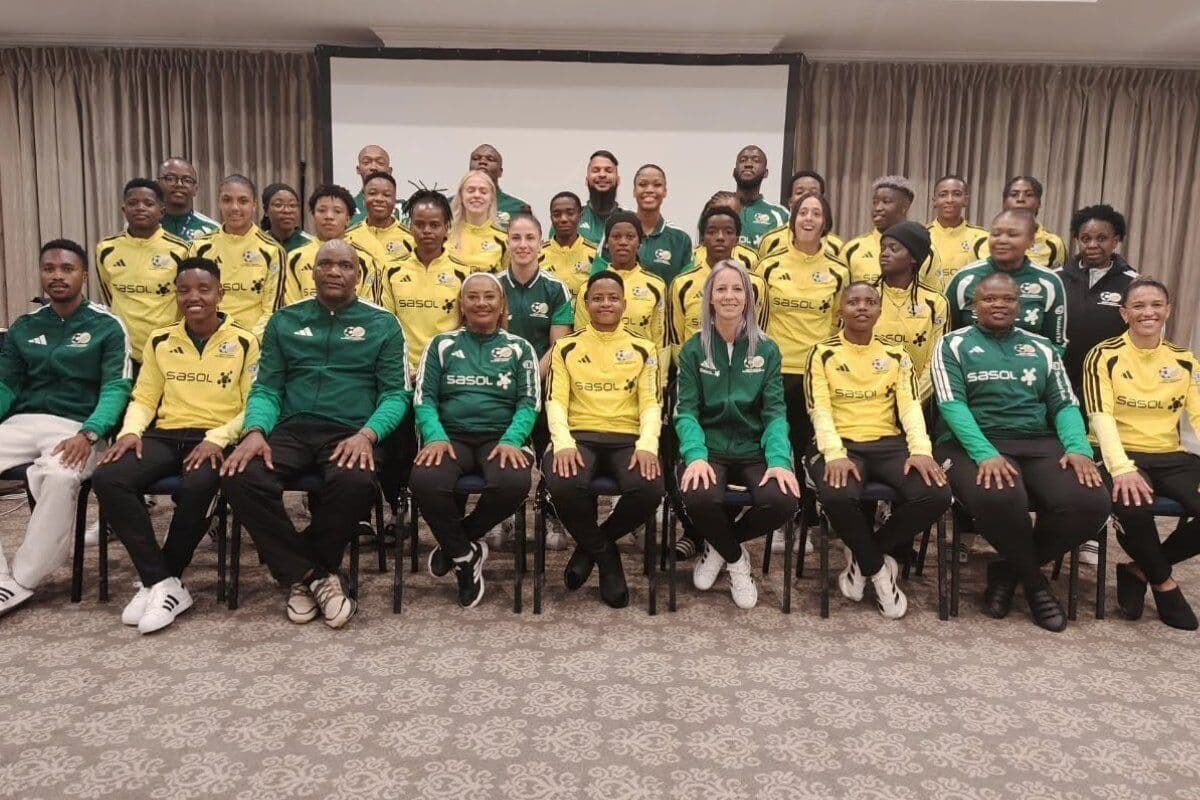
Banyana Banyana's Official 26-Player Squad Announced for WAFCON
South Africa's national women's football team, Banyana Banyana, has officially unveiled its 26-player squad for the upcoming Women's Africa Cup of Nations (WAFCON). This significant announcement, made on July 19, 2026, sets the stage for the team's preparations for the continental championship.
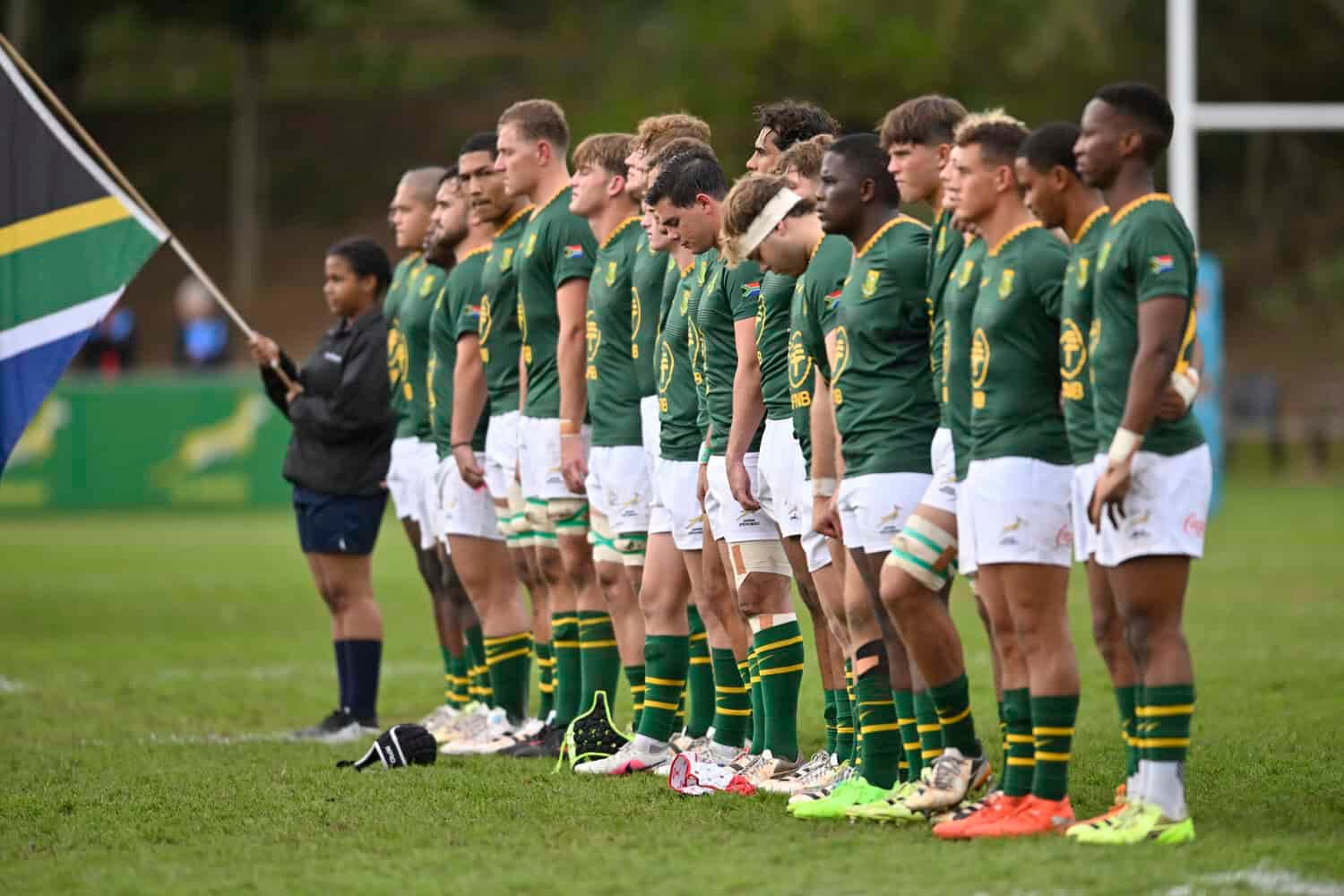
Junior Boks Crowned U20 World Champions, Coach Foote Hails National Significance
South Africa's Junior Boks have claimed the prestigious U20 world rugby title, a victory that coach Foote declared "means everything to SA." This triumph marks a pivotal moment for the development and future of rugby in the nation.