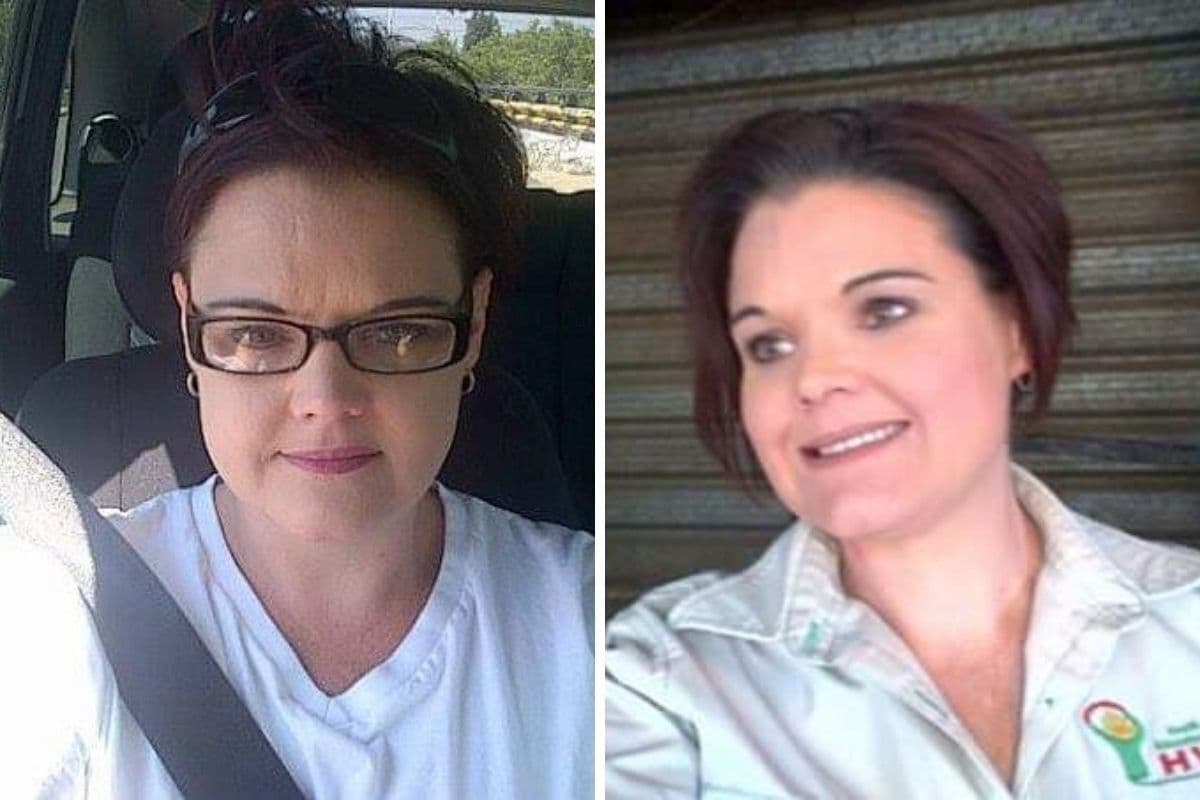
Reports from international and local channels have confirmed the tragic death of a South African refugee in the United States, who reportedly died by suicide. The individual, whose specific identity and personal details have not yet been publicly released, was described in initial reports as "lonely." This heartbreaking incident has sparked concern among South Africans both at home and abroad, raising critical questions about the mental health support systems available to refugees and expatriates.
At this stage, the precise circumstances surrounding the individual's relocation to the United States and the exact timeline of events leading to their death remain unconfirmed. What is clear, however, is the profound sense of isolation that characterized their experience. The description of the deceased as "lonely" underscores a silent crisis affecting many who leave South Africa under difficult circumstances, seeking safety or new beginnings in foreign lands where they often lack established social networks.
For South African readers, the news hits close to home. The country has a complex history of migration, with citizens moving globally for various economic, social, or personal reasons. While many emigrate voluntarily, those who do so as refugees often carry additional layers of trauma, dislocation, and uncertainty. The transition to a country as vast and culturally distinct as the United States can exacerbate feelings of alienation, especially when individuals are separated from their families and traditional support structures.
Mental health professionals frequently point out that refugees face unique psychological hurdles. The process of seeking asylum or refugee status is often fraught with bureaucratic delays, financial instability, and the constant fear of deportation. When combined with the emotional toll of leaving one’s homeland, these pressures can lead to severe depression and anxiety. Without targeted intervention and culturally sensitive mental health care, individuals in foreign countries can easily slip through the cracks of the healthcare system.
This tragedy highlights the urgent need for more robust support networks within the global South African diaspora. While community groups and online forums exist to help South Africans connect abroad, formal structures to address deep-seated mental health struggles are often lacking. For those living in isolation, finding accessible, affordable, and understanding counseling services in a country like the United States can be an insurmountable barrier, particularly for refugees navigating complex legal and social landscapes.
As the story develops, South Africans are watching closely to see if local authorities, including the Department of International Relations and Cooperation (DIRCO) or South African consular services in the United States, will issue statements or offer assistance. It remains to be seen whether the family of the deceased will be located and if repatriation of the remains will be arranged, a process that is often financially and logistically challenging for families back home.
Ultimately, this tragic loss serves as a somber reminder of the human cost of isolation. It emphasizes the importance of checking in on loved ones who have relocated overseas and advocating for better mental health resources for vulnerable displaced populations. If you or anyone you know is struggling with mental health challenges, depression, or thoughts of self-harm, please reach out to local support services, such as the South African Depression and Anxiety Group (SADAG), for immediate assistance.