Thunderstorms Surge in South African Search Interest as Stormy Season Approaches
South Africans are turning to online searches in growing numbers as the term 'thunderstorm' spikes in Google Trends data captured in early November 2026. The uptick signals heightened public awareness of severe weather conditions as the country moves deeper into its summer storm season. What is driving the interest, and what should residents know?

South Africans are searching for information about thunderstorms in increasing numbers, according to Google Trends data captured on 4 November 2026. The term 'thunderstorm' registered a traffic figure of more than 100 searches in the tracked window, placing it firmly among trending topics in the country at that time. While the raw numbers remain modest, the trend is notable for its timing and the context it reflects for millions of people living in storm-prone parts of the country.
November marks the beginning of South Africa's summer thunderstorm season, a period that typically runs through to February or March and brings with it some of the most intense electrical storms on the African continent. The interior plateau, including Gauteng, Limpopo, Mpumalanga, and the North West province, is particularly susceptible to afternoon and evening thunderstorms that can develop rapidly and with little warning. For residents in these areas, the onset of the storm season is a practical concern that directly affects daily life, infrastructure, and safety.
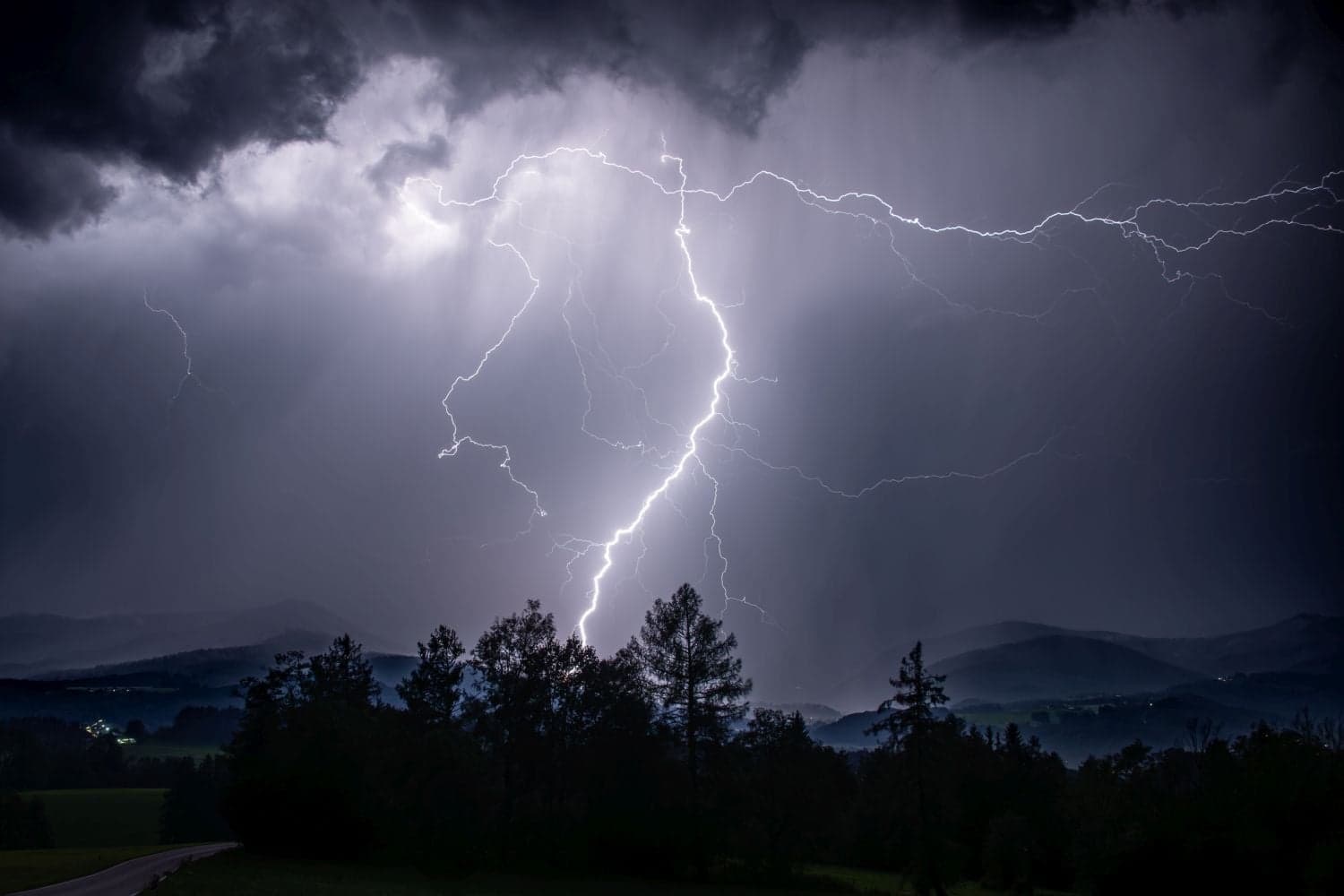
The spike in search interest aligns with what many South Africans experience every year as temperatures rise and atmospheric conditions become increasingly unstable. When dark clouds gather over the Highveld, residents routinely seek guidance on storm safety, weather forecasts, and what to do when lightning strikes nearby. The fact that the trend data shows at least three distinct articles being tracked alongside the search spike suggests that media coverage of thunderstorm-related events or warnings was already circulating at the time the data was captured.
Thunderstorms in South Africa are not merely inconveniences. They carry real risk. Lightning strikes claim lives and injure people annually, with rural communities and outdoor workers among the most vulnerable. Flooding associated with severe thunderstorms can damage roads, homes, and crops, and power outages caused by storm activity affect both households and businesses. For insurers, emergency services, and municipal infrastructure teams, the storm season represents a period of heightened operational pressure.
Public interest in the topic, as reflected in the trending data, may also be driven by social media activity. When a particularly dramatic storm rolls through a major city, videos and photographs spread rapidly across platforms such as X, Facebook, and WhatsApp, prompting wider audiences to search for more information. This cycle of visual content generating search curiosity is a well-established pattern in South African digital behaviour, particularly around weather events that produce striking lightning displays or flash flooding in urban areas.
What remains unclear from the available trend data is whether the search spike on 4 November 2026 was triggered by a specific storm event affecting a particular region, or whether it represents a broader, season-driven rise in general curiosity. The data does not identify a specific incident, named storm, or geographic hotspot. It is therefore not possible to say with certainty whether residents were responding to an immediate threat or simply preparing themselves for the season ahead.
For South Africans looking to stay informed and safe during the thunderstorm season, the South African Weather Service remains the primary official source for forecasts, warnings, and advisories. The service issues severe weather alerts when conditions are expected to be particularly dangerous, and these alerts are widely shared through media outlets and government communication channels. Residents are encouraged to monitor these updates regularly from November onwards.
Practical storm safety measures remain consistent year after year: stay indoors during electrical storms, avoid open fields and tall isolated trees, unplug sensitive electronic equipment, and keep emergency supplies on hand in case of prolonged power outages. Farmers and those working in agriculture are especially advised to track daily forecasts during the peak season, as hail and high winds can cause significant crop damage in a matter of minutes.
As the summer season unfolds, the thunderstorm trend is likely to remain in public consciousness. Whether this particular spike represents the first ripple of a sustained wave of severe weather interest or simply a brief moment of seasonal curiosity, it serves as a timely reminder that South Africans are paying attention to the skies above them. Readers should watch for further weather advisories from official sources in the weeks ahead.
Reporting record
How this story was produced
This article was AI-generated from the frozen trend evidence and passed deterministic quality and safety gates. No cross-provider evidence review or independent human verification is claimed for this record.
- Byline
- Newstrends AI Newsroom
- First published
- Last material update
- No later material update recorded
- Distinct source identifiers
- 1 retained source identifier
Frozen source links for this publication
No public source URL is present in this frozen publication record. This is not evidence that the story was independently verified; use the correction channel below if a claim needs review.
Chronology
Story timeline
A generated chronology for orientation; dates and details may require source verification.
Update
Google Trends data captured showing 'thunderstorm' trending in South Africa with 100+ searches and three related articles tracked.
Update
Start of South Africa's summer thunderstorm season, which typically affects the interior plateau most severely.
Update
Typical end of the peak thunderstorm season across most of South Africa.
Reader file
Frequently asked questions
01When is thunderstorm season in South Africa?
South Africa's thunderstorm season typically runs from November through to February or March, with the interior plateau regions such as Gauteng and Limpopo being particularly affected.
02Why was 'thunderstorm' trending in South Africa on 4 November 2026?
Google Trends data shows the term recorded more than 100 searches with at least three related articles tracked, though the exact trigger — whether a specific storm event or general seasonal interest — is not confirmed by the available data.
03Where can South Africans get official thunderstorm warnings?
The South African Weather Service is the primary official source for severe weather forecasts and advisories, and it issues alerts that are distributed through media and government channels.
04What are the main risks associated with thunderstorms in South Africa?
Thunderstorms in South Africa can cause lightning strikes, flash flooding, hail damage, and power outages, posing risks to people, infrastructure, agriculture, and property.
Keep reading
Related coverage
More published reporting connected to this story.
Johannesburg Weather Sparks Surge in Online Searches as Residents Seek Forecasts
Interest in Johannesburg's weather has spiked sharply, with more than 200 search queries recorded on Google Trends in the South African region. The surge points to heightened public curiosity about current or anticipated weather conditions in the city. What is driving the interest remains unclear from the available data, but the trend reflects how quickly Joburgers turn to digital platforms when the skies become uncertain.
Multiple Severe Weather Warnings Issued for Monday as Storms, Damaging Winds and Fire Danger Threaten Several Provinces
South Africans in several provinces are being urged to prepare for a challenging Monday, with authorities issuing warnings covering thunderstorms, damaging winds, and elevated fire danger. The warnings, which apply across multiple regions of the country, highlight the kind of volatile spring weather that can cause widespread disruption. Residents and travellers are advised to stay informed and take precautionary measures ahead of the day.
Severe thunderstorms, heatwave conditions and fire danger warnings strike parts of South Africa
South Africa is facing a dangerous combination of severe thunderstorms, heatwave conditions, and elevated fire danger on Thursday, 15 October 2026. Different parts of the country are expected to experience contrasting but equally hazardous weather extremes. Residents are urged to stay informed and take precautions as the conditions unfold.

Severe Weather Warning: Heavy Rain, Hail and Damaging Winds Set to Lash Parts of South Africa
South Africans in at least one province have been urged to prepare for a bout of severe weather, including heavy rainfall, hail, and potentially damaging winds. The warning, captured on 9 October 2026, underscores the need for residents to take precautionary measures ahead of the system's arrival. Specific details about which province is most at risk remain limited to the headline information available.
Severe Weather Warning: South Africa Braces for Thunderstorms, Strong Winds and Rough Seas this Saturday
South Africa is preparing for a weekend of severe weather, with forecasts predicting severe thunderstorms, strong winds, and rough seas on Saturday, 5 September 2026. Residents and coastal users are urged to exercise caution as volatile weather conditions take hold.