On 23 September 2026, South African media outlet The Citizen published an intriguing opinion piece titled "The courage behind making a fashion statement," sparking a fresh wave of public interest in the intersection of personal style and social bravery. The article, which emerged early in the morning, has drawn attention to how clothing choices serve as more than just aesthetic preferences. In a country with a rich history of cultural expression and identity politics, the concept of fashion as an act of courage resonates deeply with a diverse national audience.
The trend data, captured from a single RSS feed signal on The Citizen’s website, highlights a growing cultural conversation around the personal and social costs of standing out. While the specific details of the editorial's narrative remain confined to the original publication, the central premise—that making a fashion statement requires genuine courage—points to a broader societal truth. In South Africa, where community norms and traditional expectations often dictate dress codes, choosing to wear something non-conforming is rarely a neutral act.
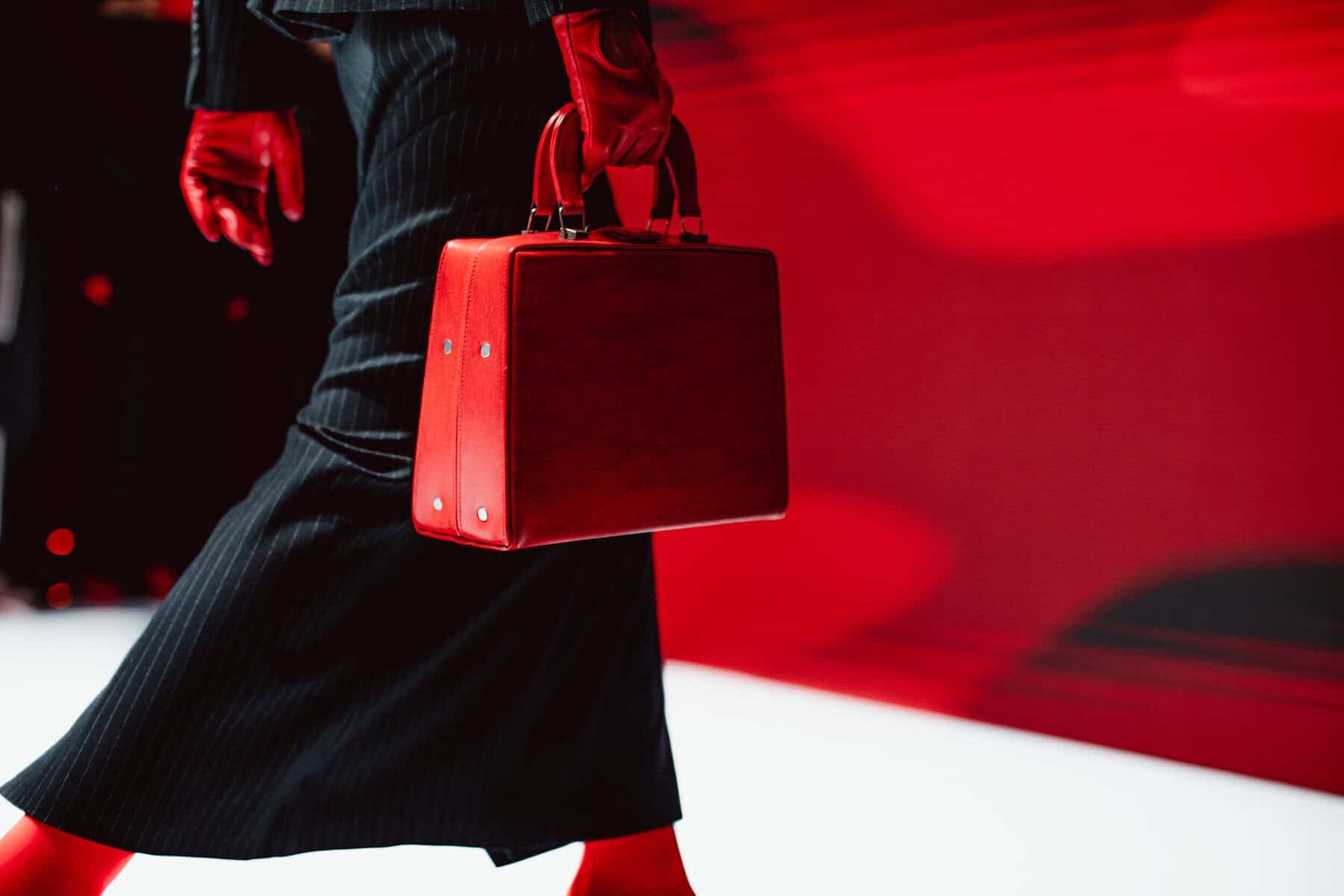
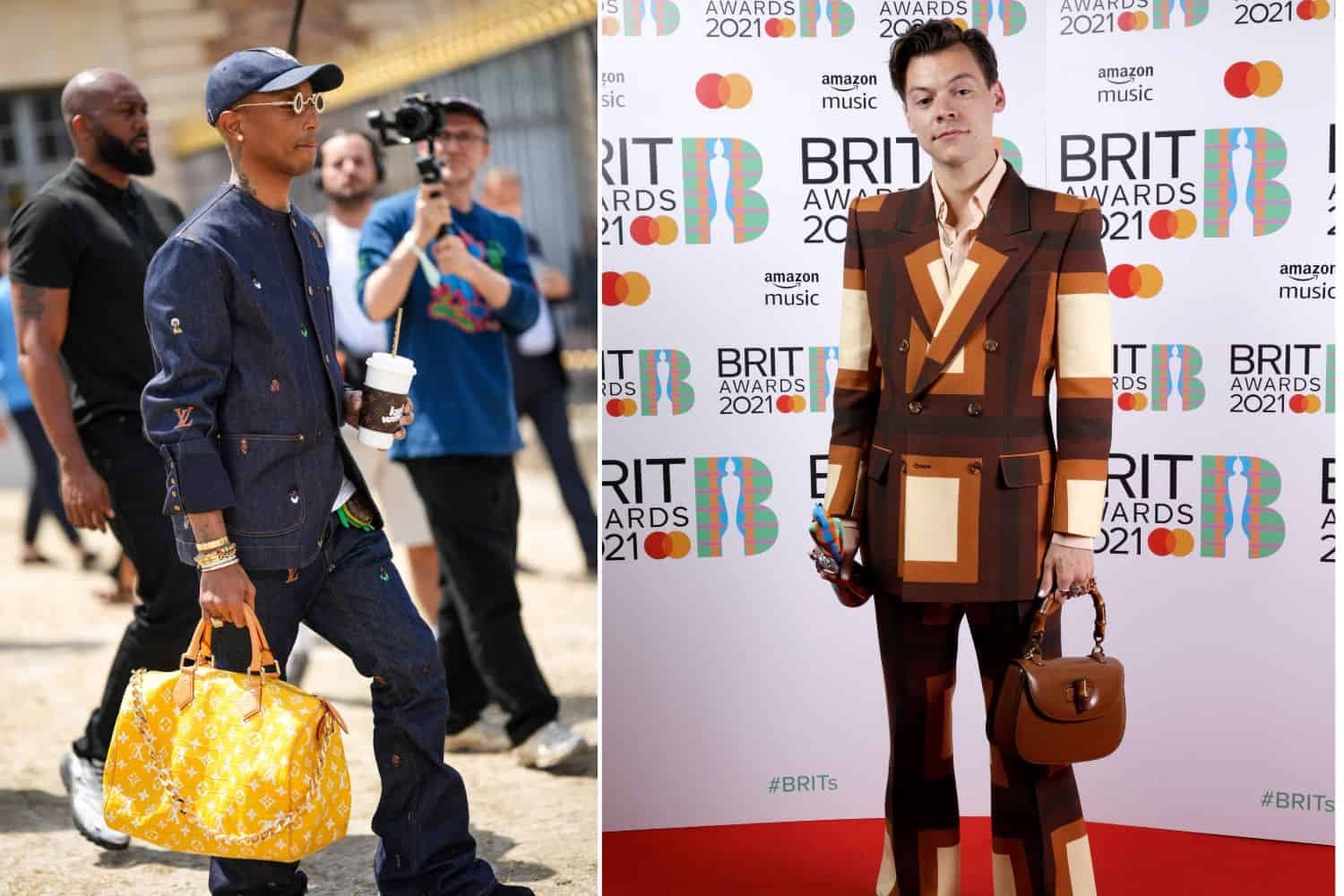
To understand the significance of this trend, it is necessary to examine what is currently known and what remains unverified. According to the available data, the article was published at 03:00 UTC on September 23, 2026, categorized under viral news for the South African region. It featured an accompanying image sourced from a prominent stock library, suggesting a focus on visual representation. However, the specific individuals, local designers, or real-life events that may have prompted the author to write this piece are not detailed in the primary trend data.
Despite these missing specifics, the thematic focus on courage in fashion is highly relevant to contemporary South Africans. Historically, South African fashion has been a battleground for identity. From the defiant wearing of traditional African garments in colonial and apartheid-era boardrooms to the modern rise of gender-fluid styling among the youth in urban hubs like Johannesburg and Cape Town, clothing has long been used to challenge the status quo. To step outside of conventional style boundaries in these environments requires a willingness to face public scrutiny, judgment, or even hostility.
Furthermore, the publication of this topic in the opinion section of a major national newspaper like The Citizen underscores a shifting media landscape. Fashion is increasingly being treated not merely as a commercial industry or a superficial pursuit, but as a serious subject worthy of socio-political analysis. By framing fashion choices around the concept of "courage," the discourse elevates everyday style decisions into acts of personal agency and resistance against societal conformity.
For the general public, the practical implications of this discussion are centered on self-expression and tolerance. The conversation invites South Africans to reflect on their own wardrobes and the messages they project to the world. It also challenges observers to cultivate greater acceptance for those who choose to dress differently, recognizing that a unique outfit may represent a deeply personal journey of self-discovery and bravery.
As this topic continues to circulate online, observers will be watching to see how the public responds on social media platforms. In South Africa, viral lifestyle and opinion pieces often trigger wider debates on platforms like X (formerly Twitter) and Instagram, where users share their own experiences of facing backlash or finding empowerment through unconventional fashion. Whether this specific piece will inspire a broader movement of expressive dressing or remain a localized editorial reflection is what remains to be seen in the coming days.