Stunning Congolese and South African Cultural Wedding Celebration Captures Hearts Online
A beautiful wedding blending South African and Congolese cultures has gone viral, showcasing a stunning celebration of heritage. While the viral footage has captured widespread admiration, key details about the couple and the ceremony remain private. The event serves as a powerful symbol of pan-African unity and cultural harmony.
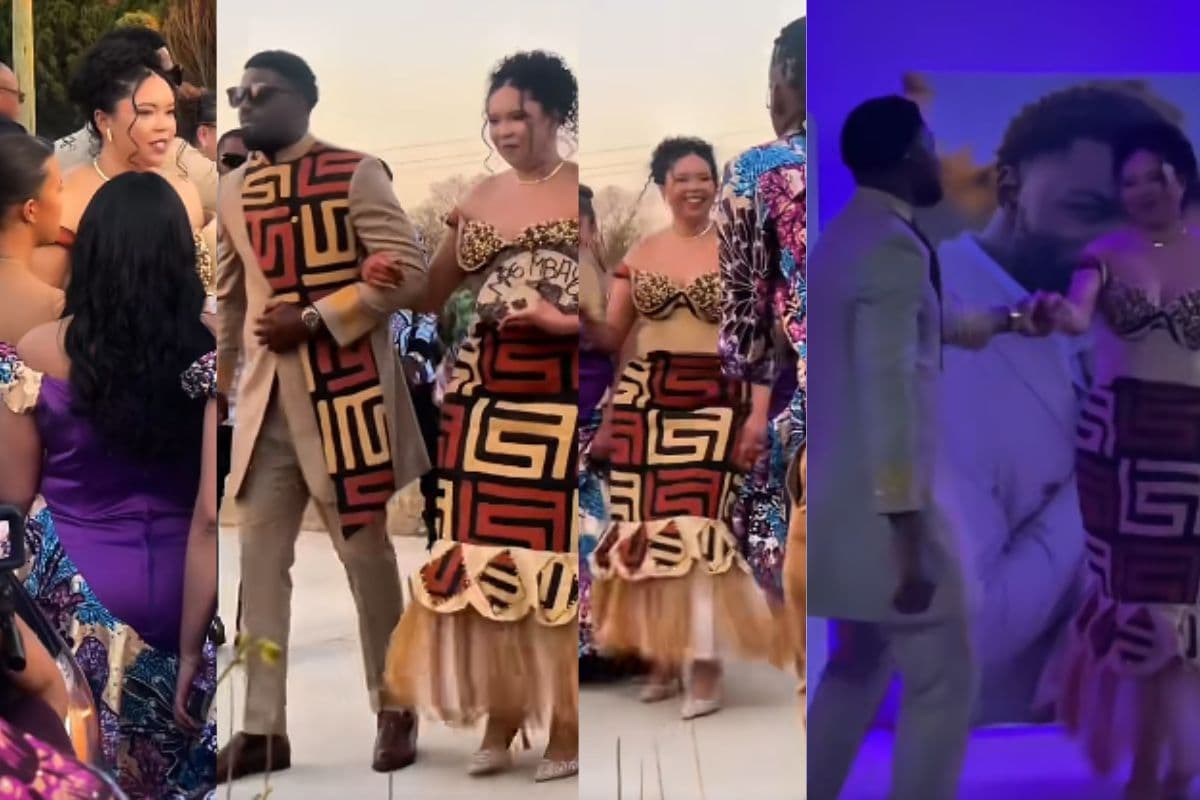
A stunning wedding celebration blending Congolese and South African cultures has captured the attention of social media users across the country. The event, which showcases a South African woman beautifully integrating her heritage with Congolese traditions, was reported by national media on 10 August 2026. This cross-cultural union highlights the growing trend of celebrating diverse African heritages through matrimonial ceremonies, sparking widespread admiration among local audiences.
The celebration has quickly emerged as a viral news topic in South Africa, driven by video footage of the ceremony that allows the public to witness the festivities. While the visual documentation of the wedding has generated significant online engagement, specific metrics such as the primary social media platforms where the video went viral or the exact number of views have not been detailed in the initial reports. Nonetheless, the widespread interest reflects a deep public appreciation for cultural fusion.
Based on the available reports, the core of the celebration lies in the harmonious blend of South African and Congolese customs. The bride, a South African woman, took centre stage in blending her own background with the rich cultural traditions of her partner. In South Africa, where multiculturalism is a defining national characteristic, such unions are often celebrated as a reflection of unity in diversity, bringing together different languages, music, and customs under one celebratory banner.
While the visual spectacle of the wedding has been widely praised, several key factual details about the couple and the event remain unconfirmed. To maintain strict reporting accuracy, it must be noted that the names of the bride and groom have not been disclosed in the source reports. Additionally, the specific South African ethnic group or cultural lineage represented by the bride—such as Zulu, Xhosa, Sotho, or Tswana—remains unspecified, leaving the precise cultural dynamics of the ceremony unclear.
Furthermore, the geographical location of the wedding has not been explicitly stated. It remains unknown whether the ceremony was hosted in South Africa, which is home to a vibrant Congolese diaspora, or in the Democratic Republic of Congo, or perhaps in another international location. The exact traditional protocols observed during the ceremony, the specific designs of the wedding attire, and the musical styles played during the reception are also details that have not been fully documented in the initial coverage.
Despite these missing details, the significance of cross-cultural weddings between South Africans and citizens of other African nations cannot be understated. These events serve as powerful symbols of continental unity and pan-African identity. They foster deeper social cohesion and challenge historical barriers, showing how love and mutual respect can bridge geographical and cultural divides. For South African readers, such stories offer a positive narrative of integration and shared African pride.
The digital nature of this viral event also highlights how modern couples use online platforms to share their cultural pride. By publishing video footage of their special day, couples are able to document and preserve their traditions while educating a broader audience. These viral moments act as a digital archive of contemporary African wedding practices, showing how traditional customs continue to evolve and thrive in the modern era.
As the video continues to circulate, audiences will likely watch for further updates regarding the couple's identity, their personal love story, and the specific inspirations behind their stunning cultural showcase. Until more details are released by the couple or local media, this celebration remains a beautiful and inspiring example of how diverse African cultures can come together in perfect harmony.
Reporting record
How this story was produced
This article was AI-generated from the frozen trend evidence and passed deterministic quality and safety gates. No cross-provider evidence review or independent human verification is claimed for this record.
- Byline
- Newstrends AI Newsroom
- First published
- Last material update
- No later material update recorded
- Distinct source identifiers
- 1 retained source identifier
Frozen source links for this publication
Chronology
Story timeline
A generated chronology for orientation; dates and details may require source verification.
Update
The South African publishes a report on a viral video showcasing a wedding celebration that blends Congolese and South African cultures.
Reader file
Frequently asked questions
01What is the viral Congolese and South African wedding about?
The wedding is a stunning celebration where a South African woman blends her local culture with Congolese traditions, capturing the attention of online audiences.
02Who are the bride and groom featured in the video?
The names and identities of the couple have not been publicly disclosed in the initial reports.
03Where did the wedding ceremony take place?
The exact location of the wedding ceremony, whether in South Africa, the Democratic Republic of Congo, or elsewhere, remains unconfirmed.
Keep reading
Related coverage
More published reporting connected to this story.
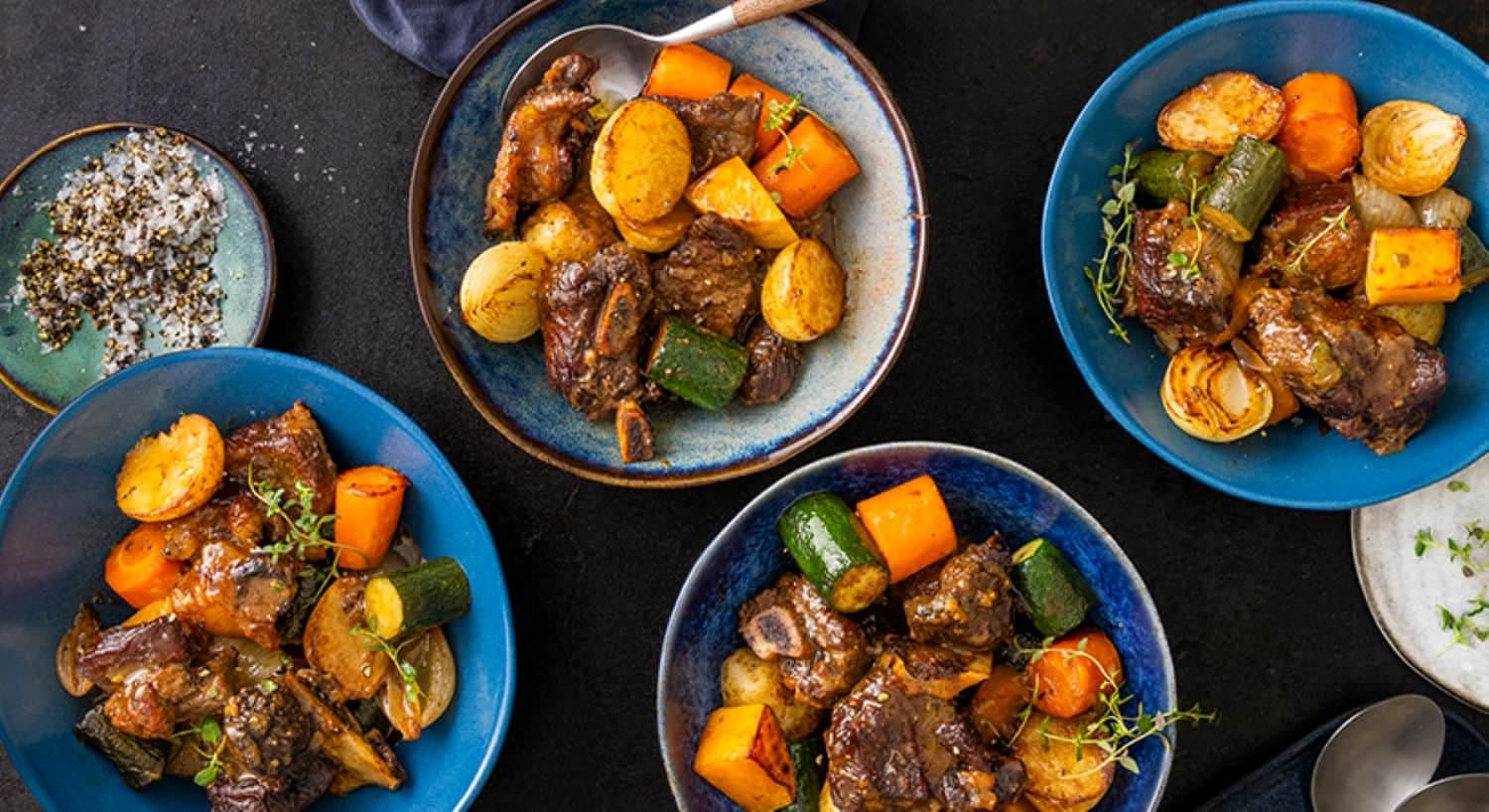
The Citizen's Beef Potjie Stew Recipe Sparks Viral Interest Across South Africa
A traditional beef potjie stew recipe featured by The Citizen has gone viral in South Africa. Linked to Pick n Pay's 'Supper Sorted' campaign, the comfort food classic highlights a strong local preference for slow-cooked heritage meals. The trend reflects how digital lifestyle content and retail collaborations shape daily dining choices.
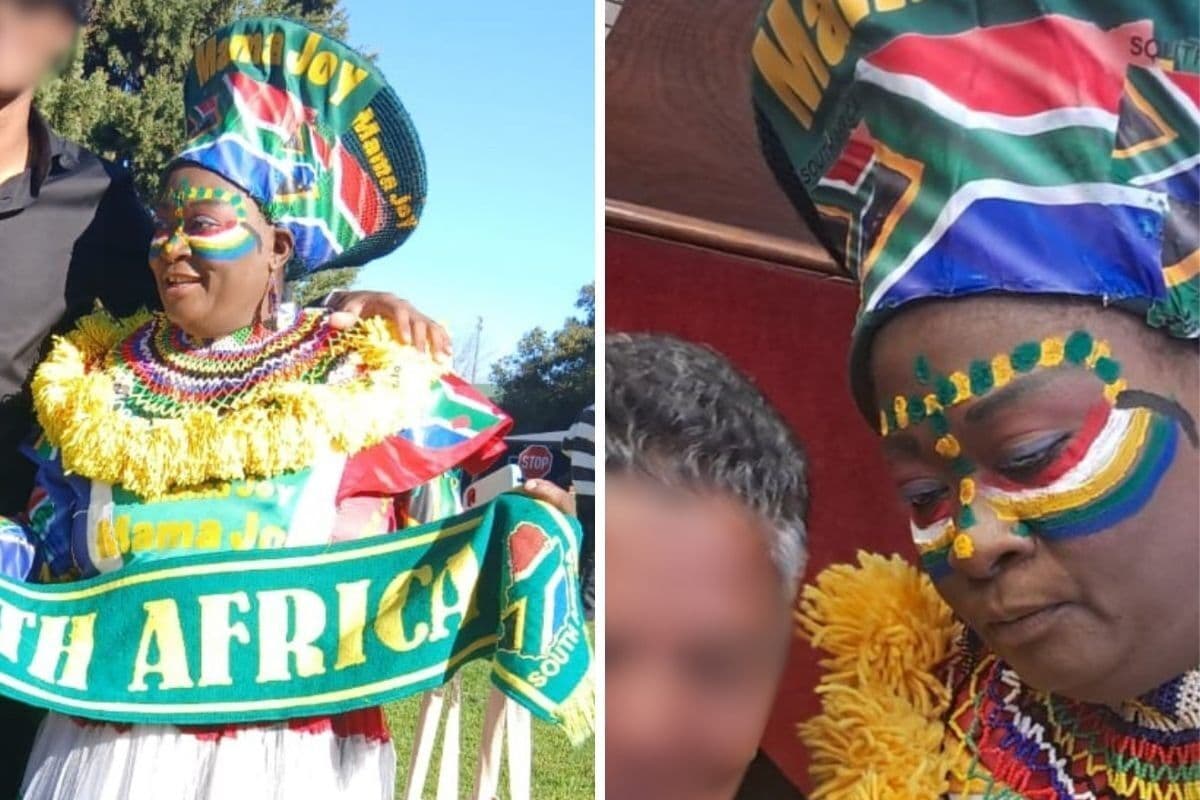
Mama Joy Faces Backlash Over Social Media Photos of Jayden Adams’ Family at Funeral
South African sports personality Mama Joy is facing severe criticism online after posting photos of Jayden Adams' family during a funeral. The incident has sparked a heated debate about social media etiquette, privacy, and cultural respect during times of grief.

Danny K’s Wife Lisa Koppel Praised for Strength and Bravery Amid 'Brutal' Health Battle
Reports have emerged highlighting the strength and bravery of Lisa Koppel, wife of South African musician Danny K, during a challenging health battle. The news has sparked widespread support from the public as fans rally behind the family.
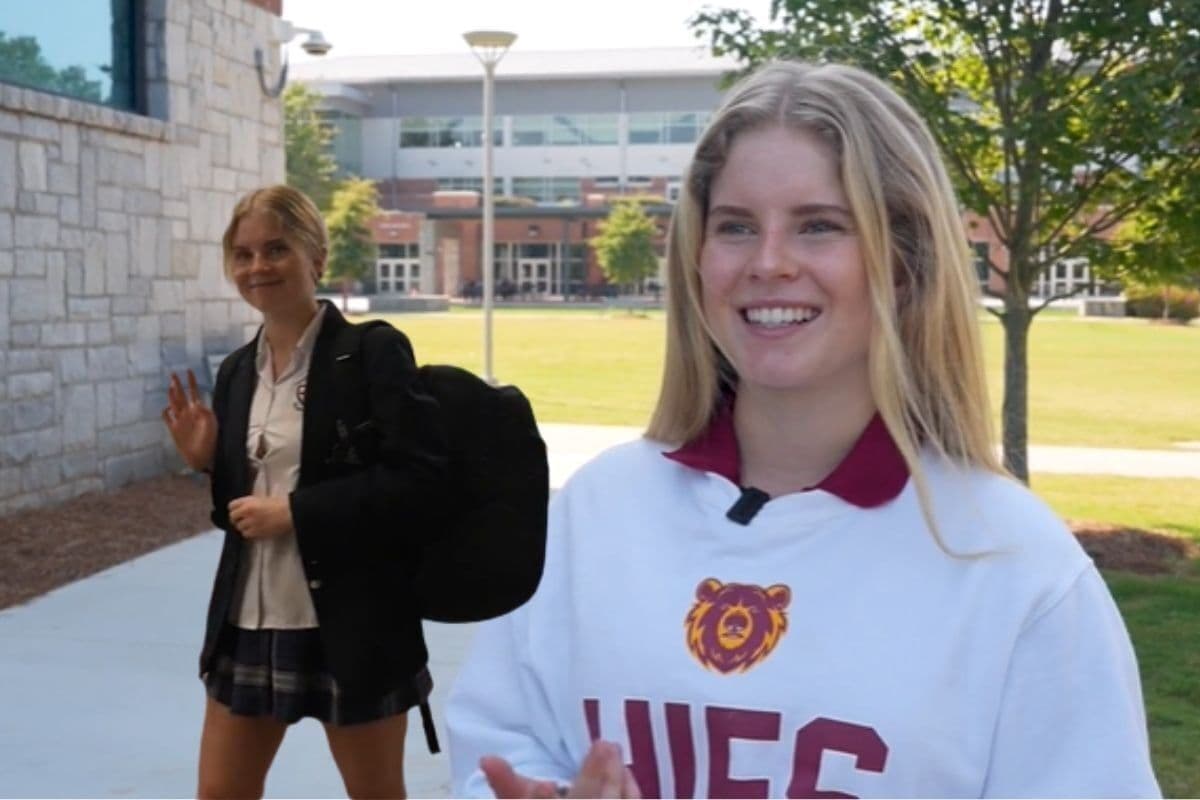
Resurfaced Video of Smiling Cameron Waldeck-Cooks Sparks Wide Public Interest Online
A resurfaced video clip of a smiling Cameron Waldeck-Cooks has emerged online, drawing significant attention. The video circulates amidst reports of a tragic incident involving St Stithians and an exchange student.

St Stithians College Under Fire as Controversy Ignites Over 'Murderer Hailed as Hero' Reports
St Stithians College is facing severe public backlash following reports linking the school to a controversial case involving Ethan Coetzee and Cameron Waldeck-Cooks. The developing story has sparked intense debate online regarding the framing of the individuals involved.