South African Public Health Warning: Vaping Is Addictive and Damages Young Lungs
A prominent public health warning published in South Africa has challenged the trendy image of e-cigarettes. The report highlights that vaping is highly addictive, harmful, and poses a direct threat to the respiratory health of young people.
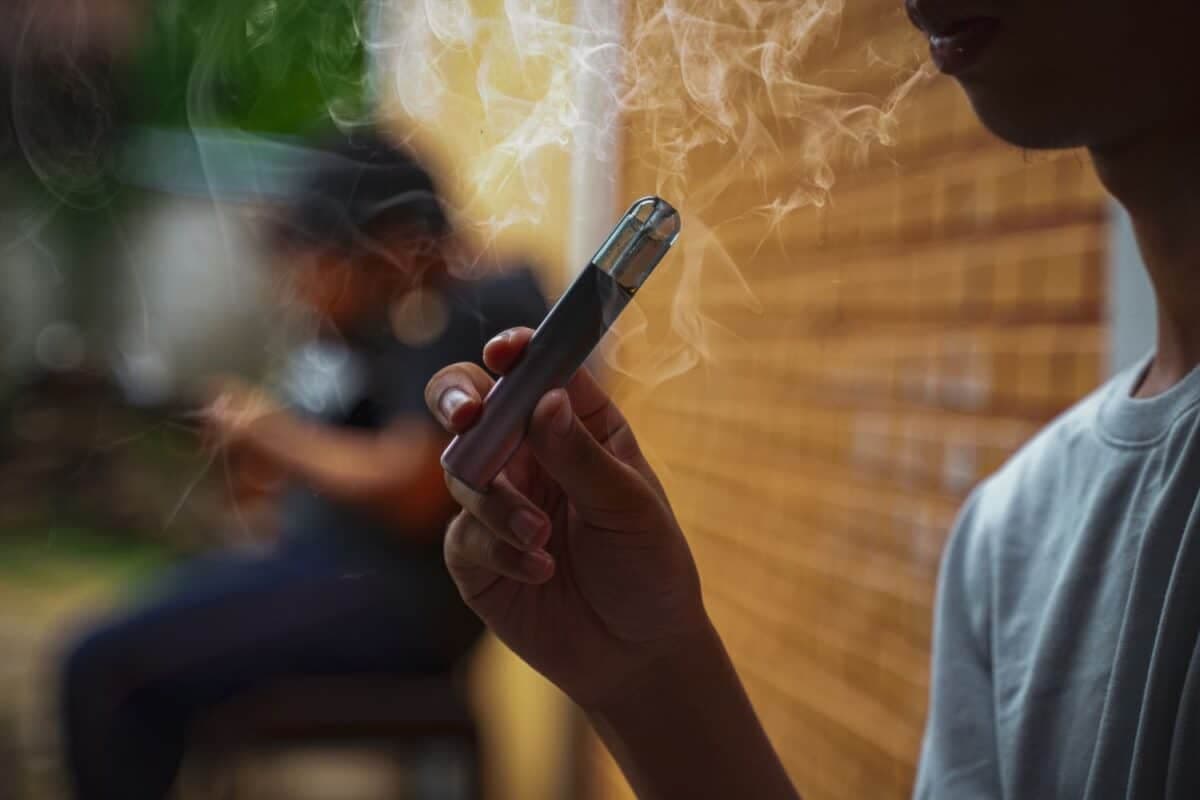
A prominent public health warning has emerged in South African media, challenging the widespread perception of electronic cigarettes among the youth. Published by South African news outlet The Citizen on 3 September 2026, the report delivers a clear and urgent message: vaping is far from a harmless trend. Instead, the publication warns that the practice is deeply harmful, highly addictive, and actively damaging to the developing lungs of young people across the country.
The appearance of this warning reflects a growing concern within South Africa regarding the social normalization of e-cigarettes. For years, vaping has been marketed and perceived as a modern, stylish alternative to traditional smoking. However, this latest public discourse highlights a critical shift. The narrative is moving away from lifestyle appeal and focusing squarely on the physiological dangers, urging a general audience to reconsider the habit.
Central to the warning is the assertion that vaping is highly addictive. Although the specific chemical compositions, nicotine levels, or brand names are not detailed in the available report, the emphasis on addiction underscores the risks associated with these devices. For young South Africans, the potential for long-term dependency is a major concern, as early exposure to addictive substances can have lasting effects on brain development and behavior.
Furthermore, the report explicitly highlights that vaping damages young lungs. While the source does not provide specific medical case studies, clinical statistics, or reports from South African hospitals, the warning aligns with broader global health concerns regarding the inhalation of aerosolized chemicals. The vulnerability of developing respiratory systems in adolescents makes this a particularly urgent issue for local families and educators.
In maintaining strict journalistic accuracy, it is important to note what remains unclear from the immediate trend data. The report does not cite specific South African policy changes, legislative updates, or direct statements from health department officials. It remains to be seen whether this public warning will be followed by stricter regulatory enforcement or new educational initiatives in schools, leaving a gap that future medical and political reports will need to address.
Despite the lack of specific regulatory details, the practical implications for South African society are significant. Parents and school administrators are increasingly tasked with addressing the presence of vaping devices in classrooms and homes. The challenge lies in dismantling the 'cool' factor associated with vaping, a task that requires consistent, factual communication about the long-term physical consequences of the habit.
The social deconstruction of vaping's appeal is a key element of this public health message. By stating that vaping is 'not as cool' as it is made out to be, the discourse targets the social status of the habit. This suggests that combating the youth vaping epidemic is not just a matter of medical warnings, but also of shifting cultural norms and peer perceptions.
Looking forward, South Africans should monitor how public health bodies and educational institutions respond to these warnings. Whether this leads to localized awareness campaigns, stricter age-verification checks at retail points, or broader national debates remains to be seen. What is clear is that the conversation around vaping in South Africa is shifting from one of novelty to one of serious health concern.
Reporting record
How this story was produced
This article was AI-generated from the frozen trend evidence and passed deterministic quality and safety gates. No cross-provider evidence review or independent human verification is claimed for this record.
- Byline
- Newstrends AI Newsroom
- First published
- Last material update
- No later material update recorded
- Distinct source identifiers
- 1 retained source identifier
Frozen source links for this publication
Chronology
Story timeline
A generated chronology for orientation; dates and details may require source verification.
Update
The Citizen publishes a public health warning highlighting the addictive nature and lung damage associated with youth vaping in South Africa.
Reader file
Frequently asked questions
01What is the main warning regarding vaping in South Africa?
Recent public health discourse warns that vaping is harmful, highly addictive, and causes damage to young lungs, challenging the perception that it is a safe or cool habit.
02Does the report provide specific South African statistics on vaping?
No, the current report outlines the general health warnings and social concerns but does not provide specific local statistics, medical case studies, or legislative updates.
Keep reading
Related coverage
More published reporting connected to this story.
Oscar Chalupsky Shares 'Dire' Cancer Treatment Update as 'The Fight Continues'
Prominent South African Oscar Chalupsky has shared a challenging health update regarding his ongoing cancer treatment. Despite the 'dire' news, he remains determined, declaring that 'the fight continues' as he undergoes advanced therapy.

Steve Biko Hospital Leading Global Cancer War, Reports Reveal
A report by South African news outlet The Citizen has highlighted Steve Biko Hospital as a leader in the global fight against cancer. While specific clinical details remain limited, the announcement marks a significant milestone for the country's public healthcare sector.
New hope for Oscar Chalupsky as he begins 'life-saving' treatment
South African sports icon Oscar Chalupsky has reportedly commenced a new, 'life-saving' medical treatment. The announcement has sparked a wave of optimism and widespread support across the country.

Lisa Koppel Cancer Battle: Family Looks Beyond South Africa in Search for Hope
Reports have emerged detailing the cancer battle of Lisa Koppel, revealing that her family sought medical hope outside of South Africa. The story has quickly gone viral, highlighting the lengths families go to when facing severe health crises.
Safety on South African Streets: How Changing Security Perceptions Are Reshaping Daily Lives
A report by Independent Online (IOL) explores how safe South Africans feel on their local streets and how these perceptions are altering daily routines. As citizens adapt to ongoing security concerns, the spotlight falls on the practical measures households are taking to navigate public spaces.