Sham's Schawarmas Declared 'Hot Property' as Local Food Trend Sparks National Interest
A recent feature by Independent Online has thrust 'Sham's schawarmas' into the spotlight, labeling the local eatery as 'hot property'. While specific details about the business remain scarce, the viral culinary trend highlights the growing power of community food stories in South Africa.
On 28 August 2026, South African media outlet Independent Online (IOL) highlighted a growing culinary buzz with its report on "Sham's schawarmas" being declared "hot property." The viral news story has rapidly captured the attention of local food enthusiasts, signaling the rise of a new favorite in the highly competitive South African street food and casual dining scene.
The story, originally published under the "Behind the News" section of the Independent on Saturday (an IOL publication), highlights how local food establishments can quickly transition from community secrets to viral sensations. While specific details regarding the exact physical location of Sham's establishment and the precise ingredients of their schawarmas remain limited in the initial digital footprint, the coverage by a major national publisher underscores the cultural weight of grassroots food trends in South Africa.
To understand why Sham's schawarmas are generating such intense interest, one must look at the broader South African culinary landscape. Locally often spelled "schawarma" or "shawarma," this Middle Eastern staple of thinly sliced meat wrapped in flatbread with garlic sauce, hummus, and salad has become a deeply integrated comfort food across South African cities. From the bustling streets of Durban—the primary footprint of the Independent on Saturday—to Johannesburg and Cape Town, local vendors have adapted the dish to suit local palates, often incorporating unique spices and sauces.
At this stage of the viral cycle, the available data provides a tantalising glimpse but leaves several questions unanswered for hungry patrons. The trend data confirms that Sham's schawarmas have officially achieved "hot property" status, a term typically reserved for high-demand, rapidly selling commodities or highly popular establishments. However, the report does not explicitly detail Sham's identity, the history of the business, or whether the popularity is driven by a specific social media campaign, a particular signature dish, or a physical expansion.
In South Africa, the rise of viral food spots is a well-documented phenomenon. Social media platforms and local news features frequently propel small, high-quality eateries into the national spotlight overnight. When a publication like IOL features a local vendor, it often leads to a massive surge in foot traffic, sometimes referred to locally as the "viral effect." For small business owners, this level of exposure can be transformative, turning a modest counter or food truck into a bustling community hub.
For South African food lovers looking to track down Sham's schawarmas, the immediate challenge will be navigating the initial wave of popularity. Experience with previous viral food trends suggests that establishments experiencing this level of sudden fame often face long queues, early sell-outs, and increased demand on their supply chains. Patrons are advised to monitor local community forums and social media updates for operational hours and location details as the story continues to develop.
As the buzz around Sham's schawarmas continues to build, industry observers and consumers alike will be watching to see how the business capitalises on its new-found "hot property" status. Future updates are expected to reveal more about the people behind the counter, the secret to their recipe, and whether this viral moment will translate into long-term commercial success or potential expansion. For now, Sham's has firmly established itself as a name to watch on the local culinary map.
Reporting record
How this story was produced
This article was AI-generated from the frozen trend evidence and passed deterministic quality and safety gates. No cross-provider evidence review or independent human verification is claimed for this record.
- Byline
- Newstrends AI Newsroom
- First published
- Last material update
- No later material update recorded
- Distinct source identifiers
- 1 retained source identifier
Frozen source links for this publication
Chronology
Story timeline
A generated chronology for orientation; dates and details may require source verification.
Update
Independent Online (IOL) publishes a feature highlighting Sham's schawarmas as 'hot property'.
Reader file
Frequently asked questions
01What are Sham's schawarmas?
Sham's schawarmas are a local culinary offering that has recently gone viral in South Africa, being described as 'hot property' in a report by Independent Online (IOL).
02Where is Sham's located?
The exact location and business details of Sham's have not been fully detailed in the initial viral reports, though the story was covered by the South African publication Independent on Saturday.
03Why are these schawarmas trending?
They are trending due to a viral news feature highlighting them as a highly popular and sought-after local food item, capturing the attention of South African food enthusiasts.
Keep reading
Related coverage
More published reporting connected to this story.
Congolese Salon Owner Asserts Legal Status Following Alleged Anti-Foreigner Confrontation
A Congolese salon owner has spoken out to defend their legal status in South Africa following an alleged anti-foreigner confrontation. The incident, which has gone viral, highlights ongoing tensions surrounding immigrant-owned businesses in local communities.
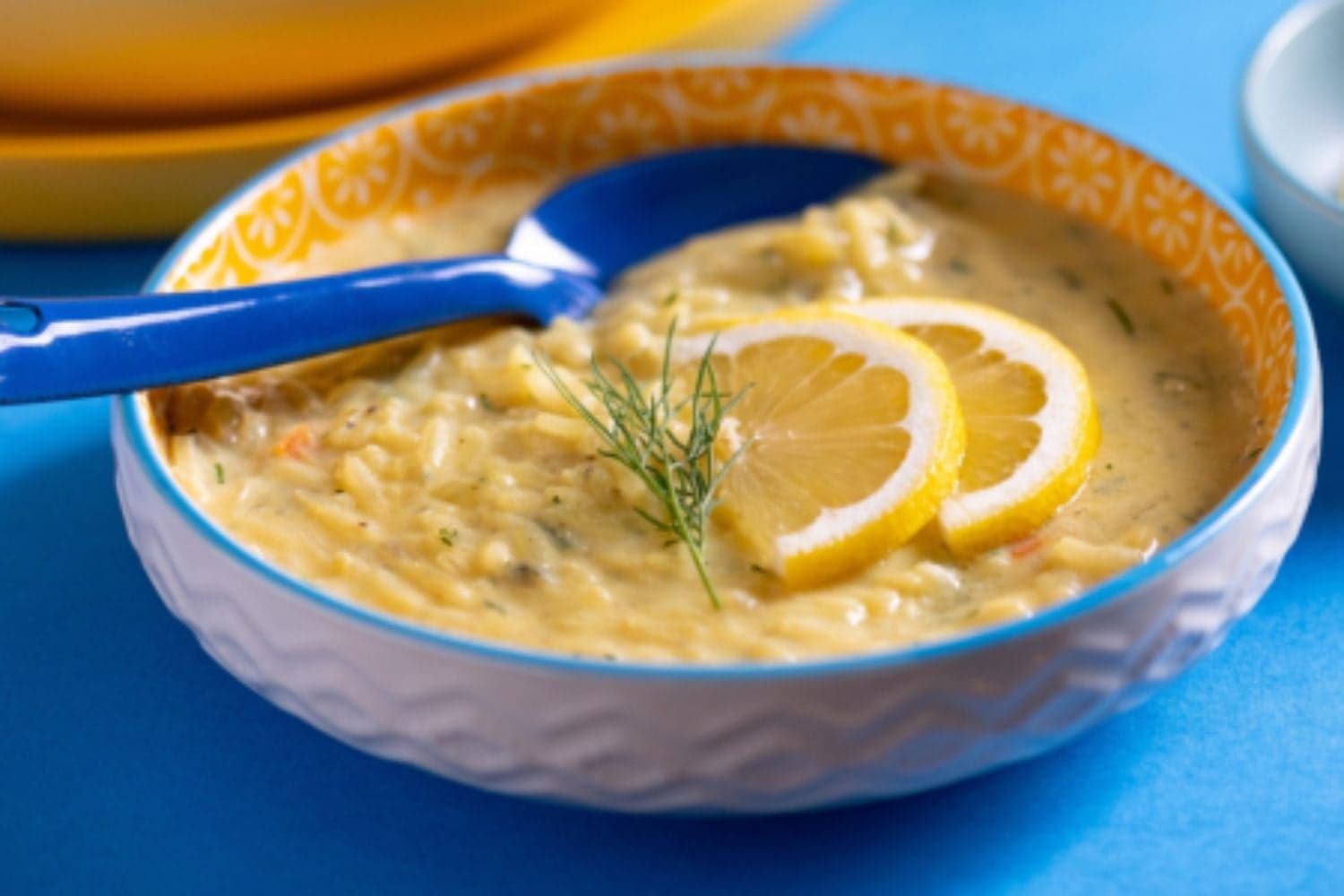
Winter Warmers: Greek Egg and Rice Soup Trends as South Africans Seek Comforting Recipes
A comforting Greek egg and rice soup recipe featured by The Citizen has gone viral in South Africa. As locals navigate the late winter cold snaps of August, this simple Mediterranean classic is capturing the attention of home cooks. The trend highlights a growing demand for budget-friendly, nourishing comfort food.
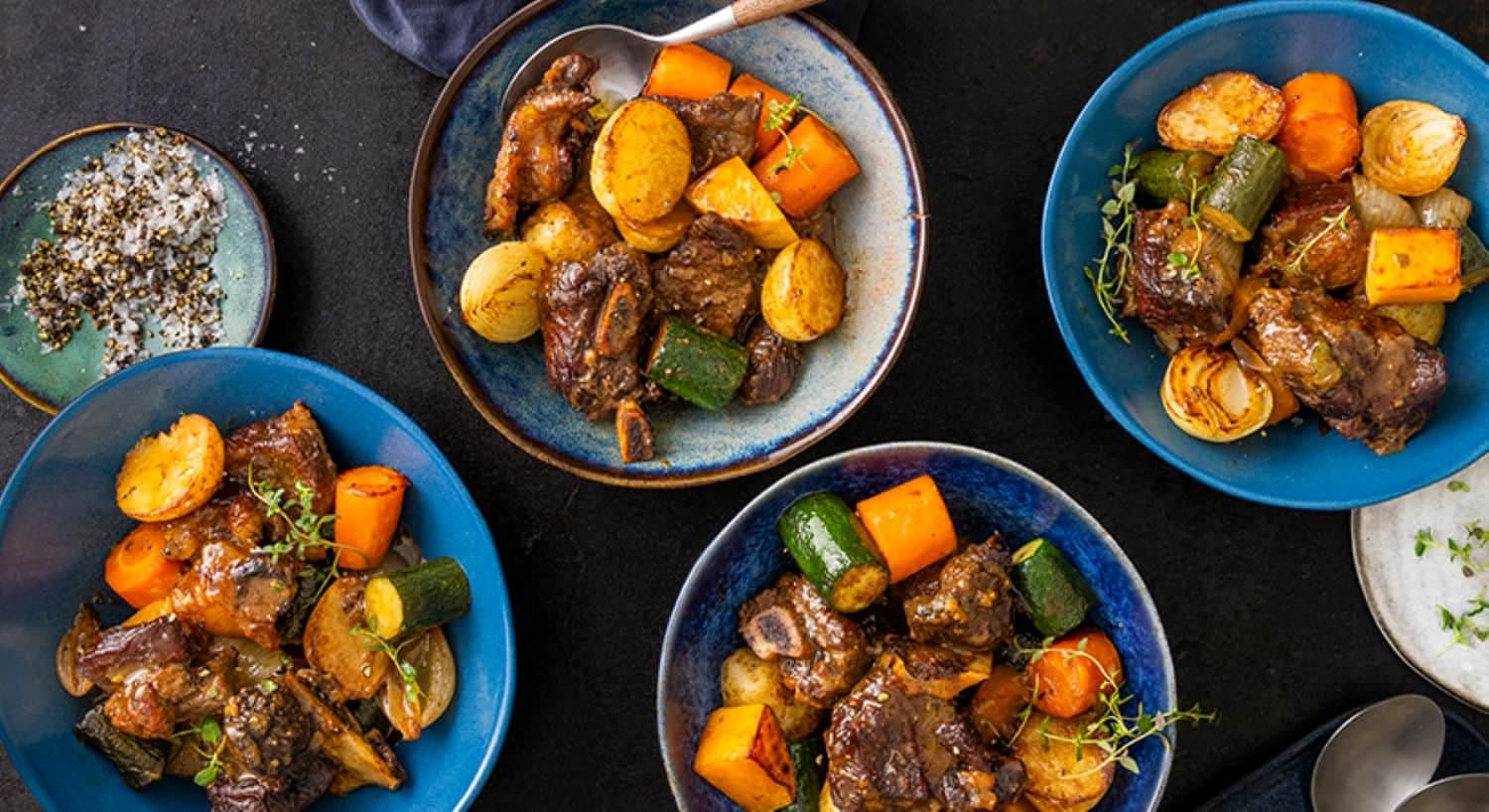
The Citizen's Beef Potjie Stew Recipe Sparks Viral Interest Across South Africa
A traditional beef potjie stew recipe featured by The Citizen has gone viral in South Africa. Linked to Pick n Pay's 'Supper Sorted' campaign, the comfort food classic highlights a strong local preference for slow-cooked heritage meals. The trend reflects how digital lifestyle content and retail collaborations shape daily dining choices.
"A Little Taste of Florence" Trend Sparks Viral Interest in South African Lifestyle Circles
A weekend feature published by Independent Online (IOL) titled "A little taste of Florence" has gone viral in South Africa. The publication has ignited curiosity about Italian culinary and travel trends among local readers.
Eating Out in South Africa: How Local Dining is Transforming from Prose to Poetry
A viral lifestyle feature published by IOL explores the transition of South African dining from functional prose to artistic poetry. The trending piece highlights a growing local appreciation for narrative-driven culinary experiences.