Ramokgopa Warns South Africa’s Energy Future Will Continue to Depend Heavily on Coal
Dr Kgosientsho Ramokgopa has cautioned that South Africa's energy future remains deeply tied to coal power. The warning highlights the ongoing tension between maintaining grid stability and pursuing international decarbonisation targets.
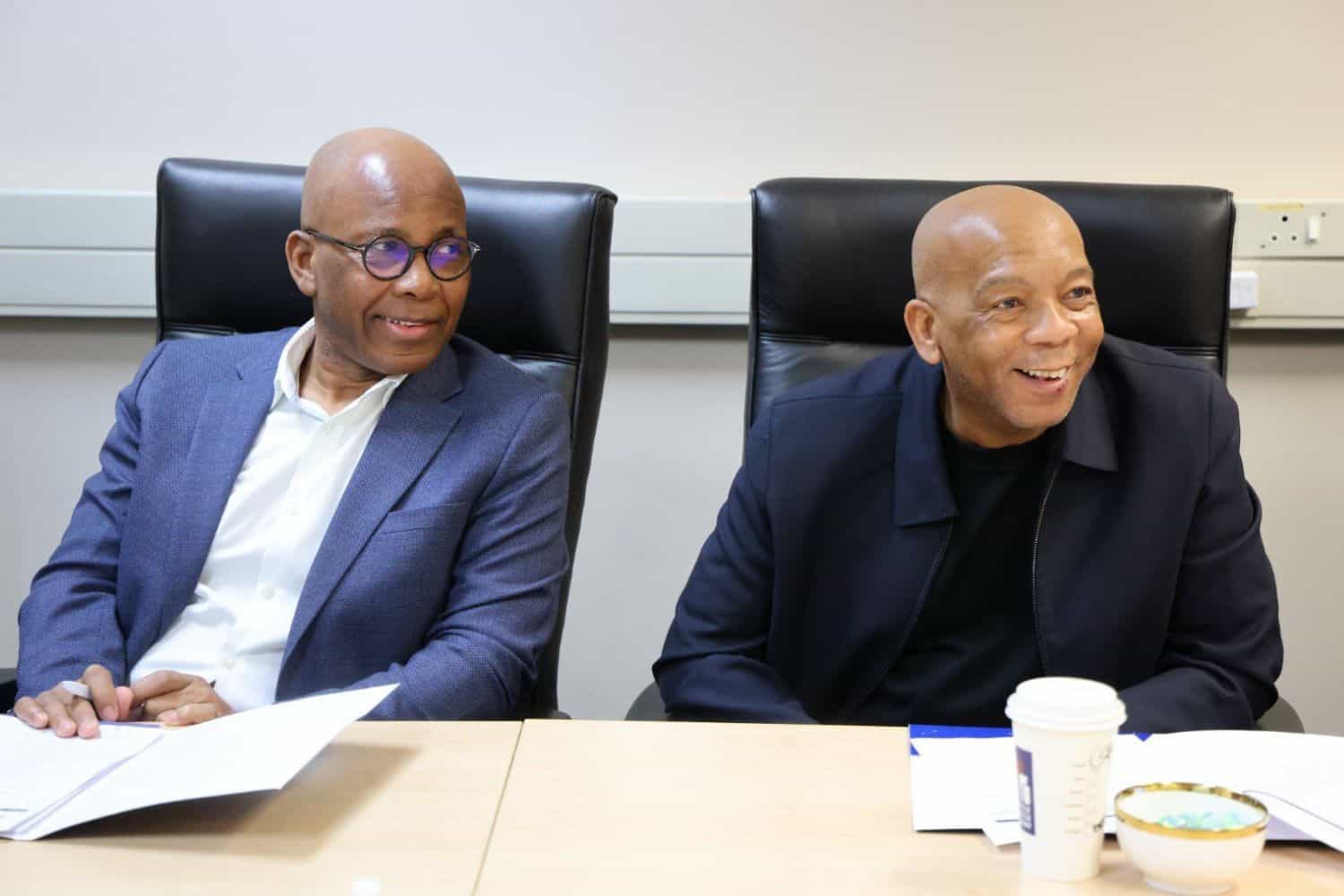
South Africa’s energy landscape is facing a sobering reality check as Dr Kgosientsho Ramokgopa has warned that the country’s energy future will continue to depend heavily on coal. This significant pronouncement, reported by local media outlet The Citizen on 3 September 2026, underscores the persistent challenges the nation faces in balancing its immediate electricity needs with its long-term decarbonisation commitments. The warning highlights a pragmatic, if controversial, acknowledgment of coal's enduring role in South Africa's national grid.
Dr Kgosientsho Ramokgopa, a central figure in South Africa's energy governance, has been at the forefront of efforts to resolve the country's electricity challenges. While the specific venue and full transcript of his latest warning were not immediately detailed in the initial reports, the core message is unambiguous: despite global pressure to transition to cleaner energy sources, coal remains the bedrock of South Africa's power generation infrastructure. This stance signals to both domestic industries and international partners that a rapid departure from fossil fuels is highly unlikely in the near term.
The context of this warning is deeply rooted in South Africa's economic and infrastructural reality. The majority of the country’s electricity has historically been generated by coal-fired power stations. While there has been substantial national and international discussion regarding a transition aimed at shifting towards renewable energy sources like wind and solar, the practical implementation of these plans has faced severe bottlenecks. Dr Ramokgopa’s warning serves as a reminder that decommissioning coal plants prematurely could risk destabilising an already fragile national grid.
At this stage, the precise timeline for how long this heavy reliance on coal will persist remains unconfirmed. It is also unclear what specific policy adjustments or life-extensions for older coal-fired power stations might be officially tabled following Dr Ramokgopa’s warning. The lack of granular details in the initial report leaves several questions unanswered, particularly regarding how this position will affect South Africa's funding agreements with international climate partners who have pledged financial support to assist the country's transition away from coal.
For South African citizens and the business community, this development suggests that the national energy mix will remain largely unchanged for the foreseeable future. While this might offer some reassurance regarding grid stability—assuming coal plants are maintained adequately—it also means that South Africa will continue to grapple with the environmental and health impacts associated with coal combustion. Businesses planning long-term sustainability goals will have to navigate a national grid that remains carbon-intensive, potentially affecting their international competitiveness.
The warning also places a spotlight on the tensions surrounding the transition. Advocates for a rapid transition argue that delaying the phase-out of coal jeopardises South Africa's climate targets and misses out on green economic opportunities. Conversely, proponents of a more gradual approach argue that safeguarding energy security and protecting jobs in the coal-mining regions, particularly in Mpumalanga, must take precedence. Dr Ramokgopa's statement appears to align closely with the latter perspective, emphasizing stability over rapid change.
South Africa is a signatory to various international climate accords and has established emissions reduction targets. A continued heavy reliance on coal raises critical questions about how the country intends to meet these international obligations. Whether the government will seek to renegotiate its emission targets or implement advanced clean-coal technologies remains to be seen. The international community will undoubtedly monitor how South Africa reconciles its domestic energy policies with its global environmental pledges.
Moving forward, observers should watch for formal policy updates from the Department of Mineral Resources and Energy, as well as Eskom's operational plans. Key indicators of the government's direction will include updates on national energy plans and any official announcements regarding the life-extension of specific coal-fired power stations. Additionally, the reaction from environmental advocacy groups, trade unions, and international climate partners will provide crucial context on how this policy stance will be received and contested in the public sphere.
Reporting record
How this story was produced
This article was AI-generated from the frozen trend evidence and passed deterministic quality and safety gates. No cross-provider evidence review or independent human verification is claimed for this record.
- Byline
- Newstrends AI Newsroom
- First published
- Last material update
- No later material update recorded
- Distinct source identifiers
- 1 retained source identifier
Frozen source links for this publication
Chronology
Story timeline
A generated chronology for orientation; dates and details may require source verification.
Update
The Citizen reports on Dr Kgosientsho Ramokgopa's warning regarding South Africa's ongoing heavy dependence on coal for its energy future.
Reader file
Frequently asked questions
01What did Dr Kgosientsho Ramokgopa warn about South Africa's energy future?
He warned that South Africa's energy future will continue to depend heavily on coal, indicating that a rapid shift away from fossil fuels is unlikely in the near term.
02Where was this warning reported?
The warning was reported by the South African news outlet The Citizen on 3 September 2026.
03What remains unclear about this announcement?
Specific details, including direct quotes, exact timelines, and the precise policy adjustments for coal-fired power stations, were not fully detailed in the initial reports and remain to be clarified by energy authorities.
Keep reading
Related coverage
More published reporting connected to this story.

New South African Electricity Price Overhaul Officially Published
An official overhaul of South Africa's electricity pricing framework has been formally published. The new guidelines are set to reshape how electricity tariffs are structured for consumers, businesses, and municipalities across the country.

Debate Ignites Over Military Deployments as Calls Grow for Cooperative Security Solutions in South Africa
A viral opinion piece published by The Citizen has sparked a national conversation on the effectiveness of deploying soldiers on South African streets. The discussion highlights the urgent need for community cooperation over high-visibility military interventions.

South African Public Health Warning: Vaping Is Addictive and Damages Young Lungs
A prominent public health warning published in South Africa has challenged the trendy image of e-cigarettes. The report highlights that vaping is highly addictive, harmful, and poses a direct threat to the respiratory health of young people.

Steve Biko Hospital Leading Global Cancer War, Reports Reveal
A report by South African news outlet The Citizen has highlighted Steve Biko Hospital as a leader in the global fight against cancer. While specific clinical details remain limited, the announcement marks a significant milestone for the country's public healthcare sector.
Safety on South African Streets: How Changing Security Perceptions Are Reshaping Daily Lives
A report by Independent Online (IOL) explores how safe South Africans feel on their local streets and how these perceptions are altering daily routines. As citizens adapt to ongoing security concerns, the spotlight falls on the practical measures households are taking to navigate public spaces.