Pensioner's Bold Demand for R10,000 Monthly Payout Sparks National Debate in South Africa
A pensioner's bold call for a R10,000 monthly social grant has ignited a widespread public debate across South Africa. The demand highlights the growing financial pressure on senior citizens and has raised critical questions about the sustainability of the country's social security system.
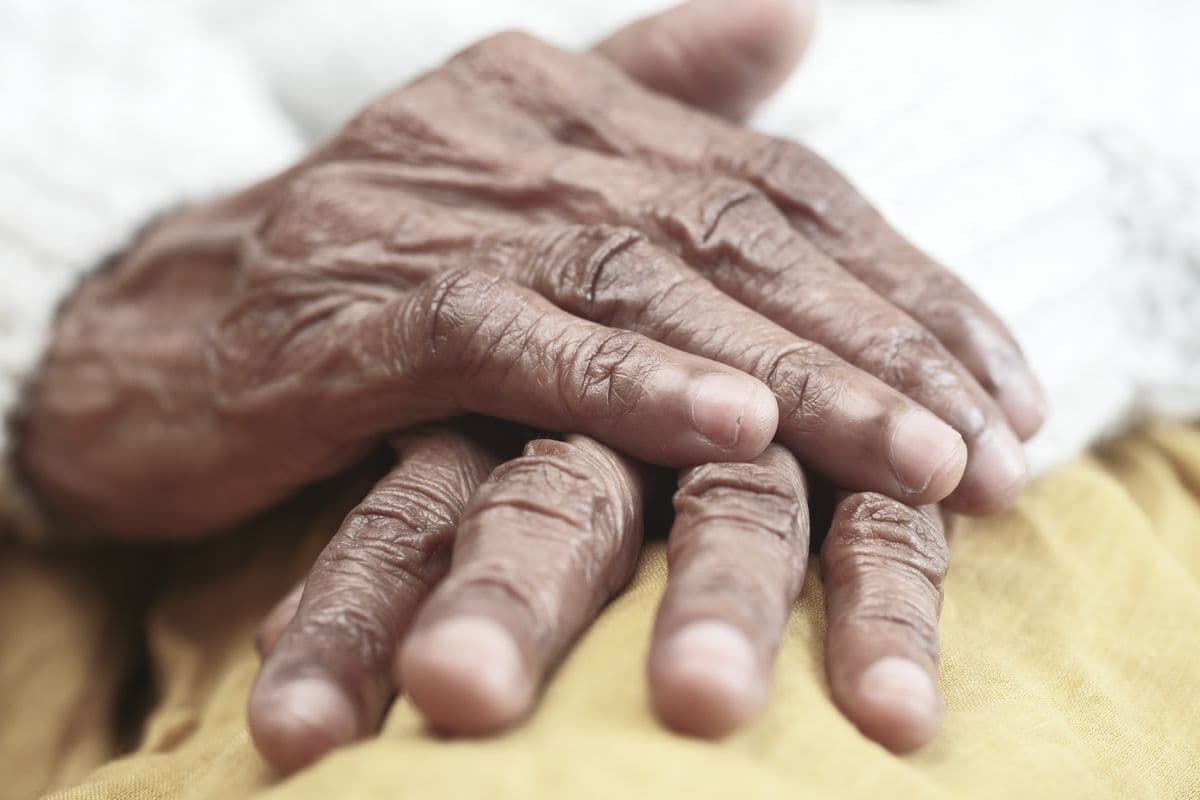
A bold demand by a South African pensioner calling for a monthly pension of R10,000 has ignited a passionate national debate across social media and news platforms. The discussion, which went viral following reports on 22 August 2026, has brought the financial struggles of senior citizens under a sharp spotlight. As South Africans grapple with the rising cost of living, the pensioner's assertion that elderly citizens deserve a five-figure monthly payout has resonated deeply with many, while simultaneously raising questions about the economic feasibility of such social security demands.
The issue gained widespread attention after being highlighted by local publication The South African within its lifestyle and South African Social Security Agency (SASSA) coverage. According to the available trend data, the report emerged on 22 August 2026, quickly capturing the public's interest and climbing the ranks of viral news in the country. The publication's focus on the intersection of SASSA and lifestyle issues underscores how deeply financial security is intertwined with the daily lives and dignity of South Africa's ageing population.
While the demand itself has sparked fierce discussions online, many specific details surrounding the initial statement remain unclear. The available trend data does not specify the identity of the pensioner, their geographic location, or the exact platform where they first voiced this demand. It is also unclear whether this call was part of a formal petition to the government or an individual appeal that gained organic traction. However, the lack of personal specifics has not hindered the momentum of the conversation, as the demand has come to represent a collective plea for many struggling retirees.
The debate is situated within a broader, highly sensitive context regarding state-funded social assistance in South Africa. For millions of elderly citizens, SASSA grants are the primary—and often sole—source of income. While the trend data does not outline the current exact monetary values of these monthly grants, the pensioner's demand for R10,000 highlights a significant perceived gap between what senior citizens currently receive and what is deemed necessary to maintain a basic, dignified standard of living in the current economic climate.
The public response to the pensioner's demand has been divided, reflecting the complex socio-economic realities of South Africa. On one side of the debate, supporters argue that senior citizens have contributed decades of labour and tax to the country and deserve a comfortable retirement that shields them from poverty. Proponents of a higher pension point to the soaring costs of electricity, food, healthcare, and basic services, arguing that current social grants are insufficient to cover these essential expenses.
Conversely, critics and economic analysts often point to the immense fiscal constraints facing the South African government. Opponents of such a drastic increase argue that raising the old-age pension to R10,000 per month is financially unsustainable for the national treasury. With a strained tax base and numerous competing demands on public funds—including education, healthcare, and infrastructure—implementing such a substantial hike would require unprecedented budgetary reallocations or tax increases, which could have wider economic repercussions.
Beyond the macroeconomic arguments, the debate touches on the lived realities of South African households. In many communities, pensioners are not only supporting themselves but are also the primary breadwinners for multi-generational families, often supporting unemployed children and grandchildren. A significant adjustment to senior pensions would therefore have a compounding positive effect on household poverty, though the state's capacity to fund such relief remains the central obstacle.
As the debate continues to circulate online, it remains to be seen whether this viral demand will translate into formal advocacy or political action. Observers will be watching closely to see if civil society organisations, pensioner advocacy groups, or political parties take up the call for a comprehensive review of senior social grants. Whether or not the government addresses this specific R10,000 demand, the conversation has successfully highlighted the urgent need for a sustainable solution to elder poverty in South Africa.
Reporting record
How this story was produced
This article was AI-generated from the frozen trend evidence and passed deterministic quality and safety gates. No cross-provider evidence review or independent human verification is claimed for this record.
- Byline
- Newstrends AI Newsroom
- First published
- Last material update
- No later material update recorded
- Distinct source identifiers
- 1 retained source identifier
Frozen source links for this publication
Chronology
Story timeline
A generated chronology for orientation; dates and details may require source verification.
Update
Local news publication The South African reports on a pensioner's demand for a R10,000 monthly payout, sparking a viral national debate.
Reader file
Frequently asked questions
01What sparked the recent debate about South African pensions?
The debate was sparked by a pensioner's bold demand for a R10,000 monthly pension payout, which went viral in August 2026.
02Who made the demand for the R10,000 pension?
The specific identity, location, and background of the pensioner who made the demand remain unclear in the initial reports.
03Why is this pension demand causing a division in public opinion?
While many support the demand due to the high cost of living and elder poverty, others argue that a R10,000 monthly payout is fiscally unsustainable for the South African government.
Keep reading
Related coverage
More published reporting connected to this story.

Dogs Chase 'Spiderman' and Expose His Identity in Viral Video Capturing South African Attention
A viral video reported by The South African shows an individual dressed as Spiderman being chased by dogs, leading to his identity being revealed. While the humorous footage has gained rapid traction online, specific details about the location and the performer remain unconfirmed.

Jayden Adams’s Partner Shares Touching One-Month Tribute: ‘Hope Heaven Is Treating You Gently’
The partner of Jayden Adams has marked a somber one-month anniversary with a poignant online tribute. The heartfelt message has sparked a wave of sympathy and collective grief among South African readers.

Pensioners Have Days Left to Secure Crucial Municipal Rates Discount
South African pensioners are facing an urgent deadline to apply for municipal rates discounts. With only days remaining, senior citizens are urged to verify requirements with their local councils to secure vital financial relief.
Reported Spiritual Transition: Inside Oscar Pistorius's New Life and the Legacy of Reeva Steenkamp
Recent media reports have shed light on the post-prison life of former Paralympic athlete Oscar Pistorius, highlighting a spiritual transition. The updates also emphasize the enduring public memory and legacy of the late Reeva Steenkamp.
Is This the End of the SABC TV Licence? Viral Reports Spark Widespread Debate in South Africa
A viral report published on 29 July 2026 has reignited intense debate over the future of the SABC TV licence in South Africa. While public interest peaks, official confirmation of a legislative shift remains unverified, leaving citizens eager for clarity.