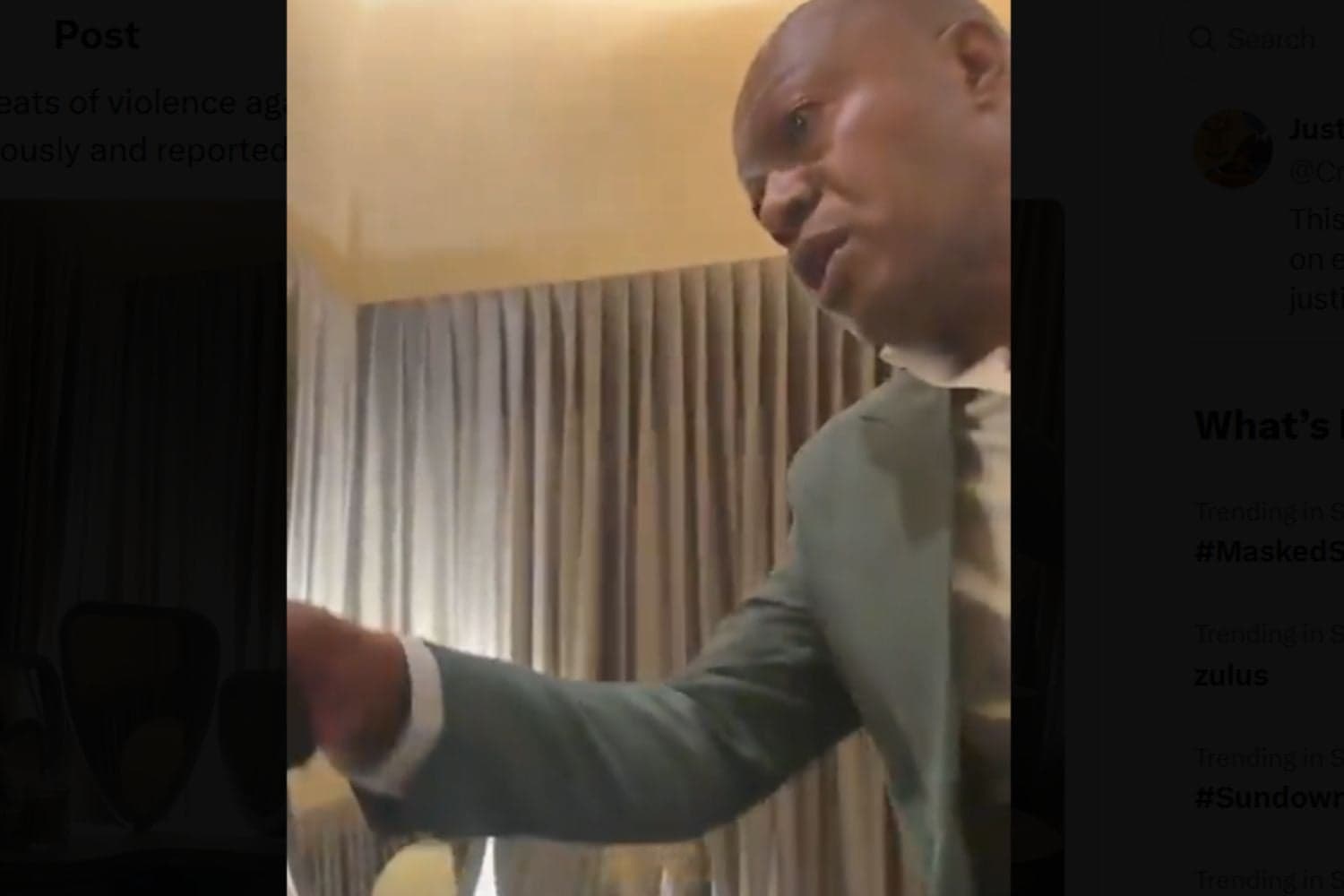
A viral video showing a man threatening women with 'bullets' after allegedly being rejected has sparked widespread outrage across South Africa, leading to urgent calls for the victims to come forward and lay formal criminal charges. The incident, which began circulating widely on social media platforms in September 2026, has once again thrust the issues of harassment, intimidation, and gender-based violence into the national spotlight. Local media outlets, including The Citizen, have highlighted the developing story as public pressure mounts for law enforcement intervention.
According to the initial reports and the viral footage, the confrontation escalated rapidly after the man's advances were reportedly turned down by the victims. In the recorded exchange, the suspect can be heard making explicit threats involving violence and firearms, specifically mentioning 'bullets' as a form of retaliation for the perceived rejection. While the video has garnered significant attention online, key details surrounding the confrontation—such as the exact geographical location where the incident occurred, the identities of the women targeted, and the name of the perpetrator—have not yet been officially released or verified.
In the wake of the video's release, community members, safety advocates, and social media users have strongly urged the affected women to open a formal case with the South African Police Service (SAPS). Legal analysts point out that while video evidence is highly valuable for public awareness and can assist in investigations, formal prosecution in South Africa requires a complainant to lodge an official statement. Laying charges of intimidation, assault, or crimen injuria is a vital step that allows SAPS to assign an investigating officer, secure dockets, and legally apprehend the suspect.
The incident underscores a persistent challenge in South Africa, where viral footage of harassment frequently surfaces online before formal legal channels are activated. While digital platforms provide a space for victims to document encounters and warn others, safety experts caution that online exposure alone does not guarantee legal accountability. Without formal dockets being opened at local police stations, perpetrators of verbal abuse and physical threats often evade prosecution, leaving victims vulnerable to further harassment.
At this stage, it remains unclear whether the victims have approached the police or if an active investigation has been initiated by authorities. Law enforcement agencies have not yet released a public statement regarding the viral footage, and it is unknown whether the suspect has been identified or questioned by police officers. Observers and community policing forums are actively monitoring the situation to see if the widespread public outcry will prompt proactive policing measures or lead to a formal arrest.
Moving forward, the public will be watching closely to see if the victims receive the necessary support to navigate the legal process safely. Advocacy groups emphasize that supporting victims of intimidation is crucial, particularly when threats of gun violence are made. As the story develops, the response of both the local community and law enforcement will serve as a critical indicator of how viral evidence is utilized to combat harassment and ensure public safety in South African suburbs.