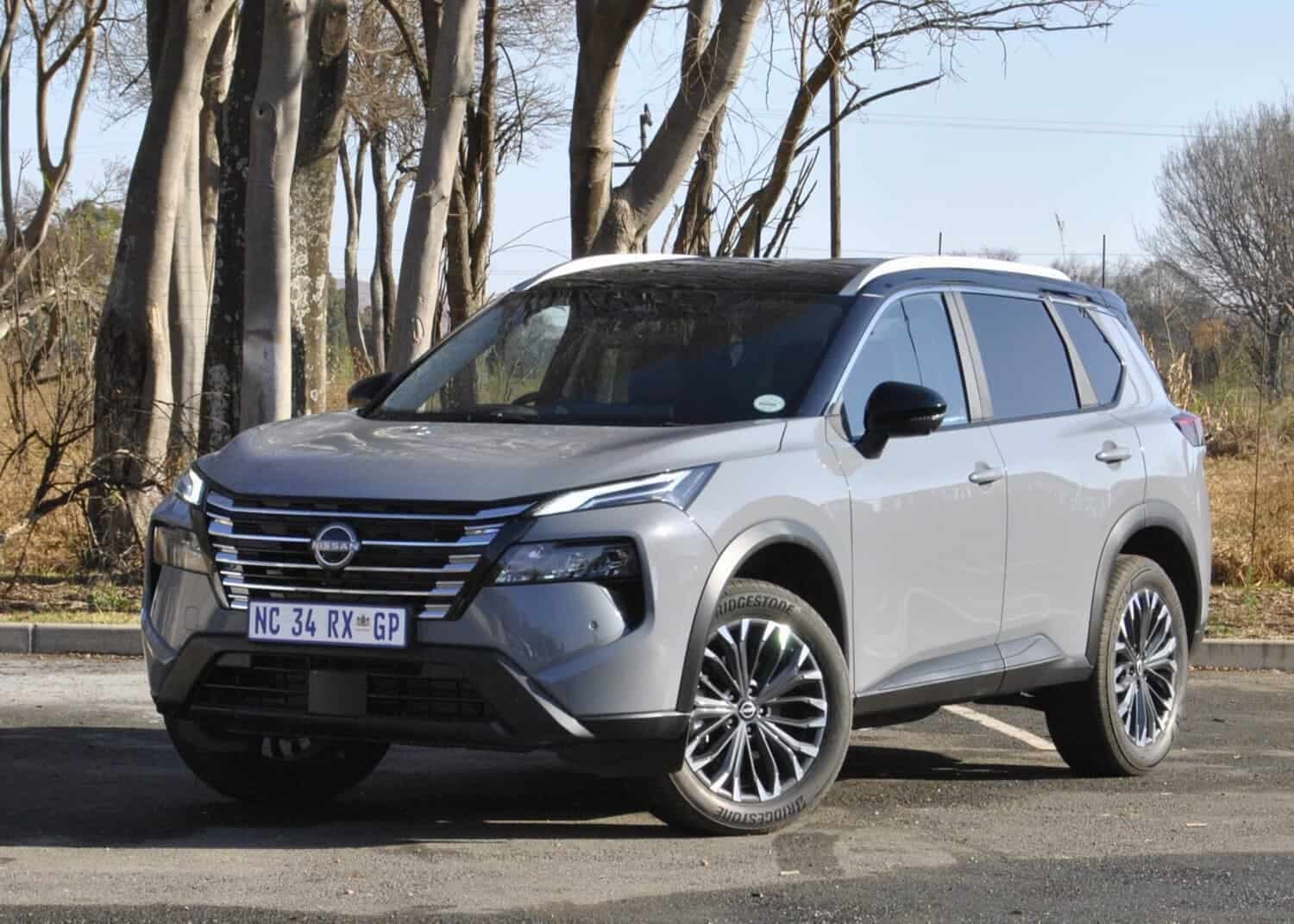
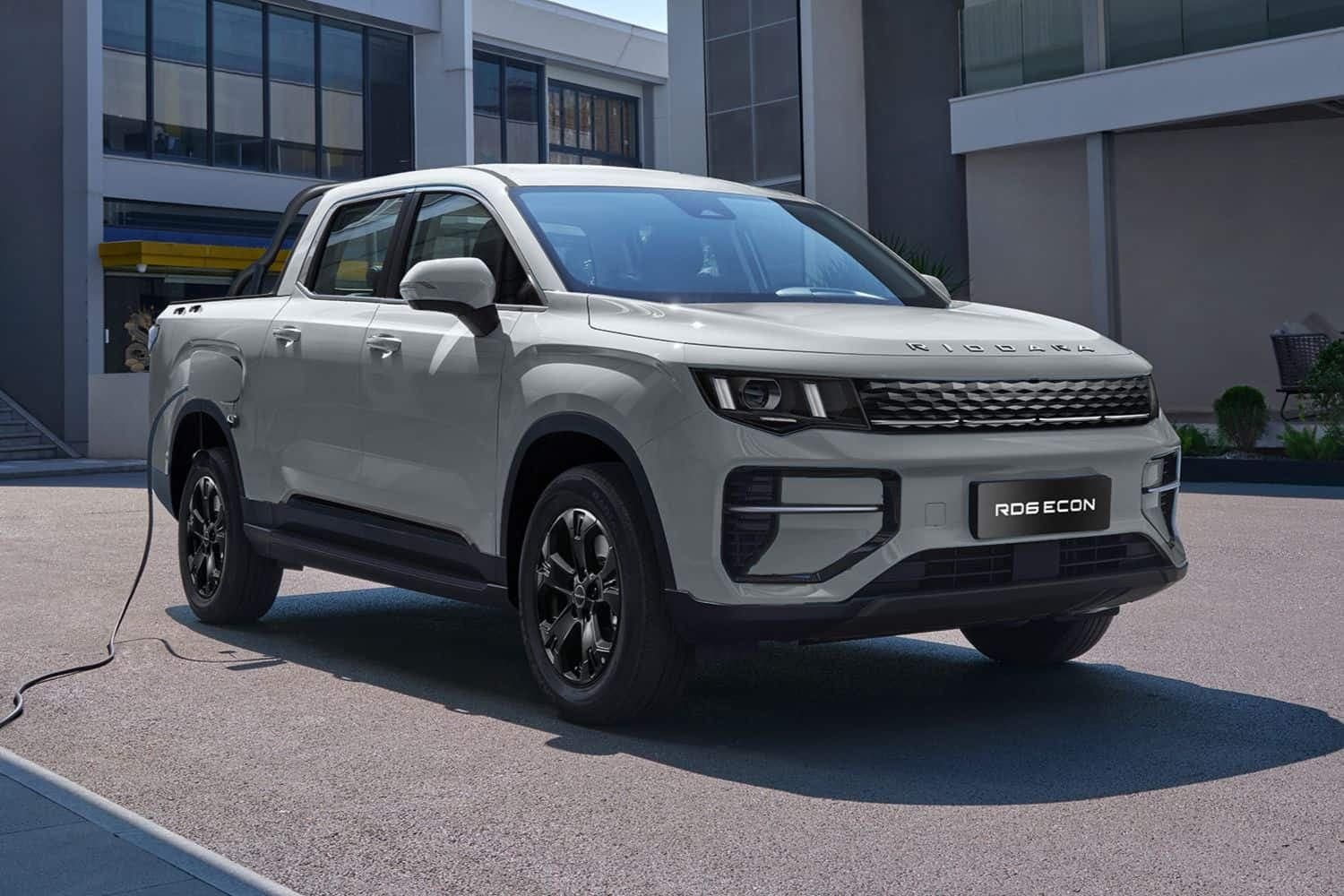
The South African automotive market has received a fresh contender in the highly competitive compact crossover space, with the official arrival of the new Nissan Tekton. Announced in late September 2026, the vehicle’s landing marks a strategic move by the Japanese automaker to capture a larger share of one of the country's most active and lucrative vehicle segments. For local consumers, the key talking point surrounding the launch is the newly revealed pricing structure, which will determine how the Tekton fares against a sea of established rivals.
In South Africa, the compact SUV segment has become the primary battleground for automotive brands. Motorists in the country increasingly favour these vehicles over traditional sedans and hatchbacks due to their elevated ride height, practical cabin space, and ability to navigate diverse road conditions, including urban potholes and gravel routes. The introduction of the Nissan Tekton is therefore highly significant, as it represents a direct bid to appeal to middle-income households, daily commuters, and small families looking for versatility without the premium price tag of full-sized SUVs.
While the initial launch reports from local media outlets, including IOL Business on 22 September 2026, have confirmed that pricing details are now public, the exact value proposition of the Tekton will depend heavily on its standard features. In the South African context, buyers are notoriously value-conscious. Therefore, the success of the Tekton will rely not just on its starting price, but on what features Nissan has included as standard—such as modern infotainment systems, safety assists, and fuel-efficient engine options.
At this stage of the launch, specific regional trim levels and the precise distribution of manual versus automatic variants across South African dealerships remain key areas of interest for prospective buyers. Industry analysts suggest that for the Tekton to make a serious dent in local sales charts, its pricing must closely compete with popular segment leaders. Local consumers are advised to scrutinise the warranty and service plans offered with the vehicle, as these long-term cost-of-ownership factors are critical in the current South African economic climate.
The practical implications of this launch extend beyond just individual buyers. A new entry from a major brand like Nissan stimulates competition across the entire local automotive supply chain and dealership network. Competitors in the compact SUV class may respond with promotional offers, revised pricing, or enhanced value packages of their own, which ultimately benefits the South African consumer by providing more choices and better value.
As the Nissan Tekton begins to appear in local showrooms across provinces from Gauteng to the Western Cape, the next crucial phase will be real-world testing. South African driving conditions—ranging from high-altitude performance on the Reef to coastal cruising—will put the Tekton's mechanical capabilities to the test. Local motoring journalists and consumer advocacy groups are expected to release comprehensive road tests in the coming weeks, detailing fuel economy, ride quality, and family practicality.
For South Africans looking to upgrade their current vehicles, the arrival of the Tekton presents a timely option to consider. Potential buyers should monitor official dealership channels for test-drive availability and detailed specification brochures to see exactly how the vehicle fits their personal budget and lifestyle requirements. Whether the Tekton becomes a common sight on South African roads will ultimately depend on how well its pricing aligns with the expectations of a demanding public.