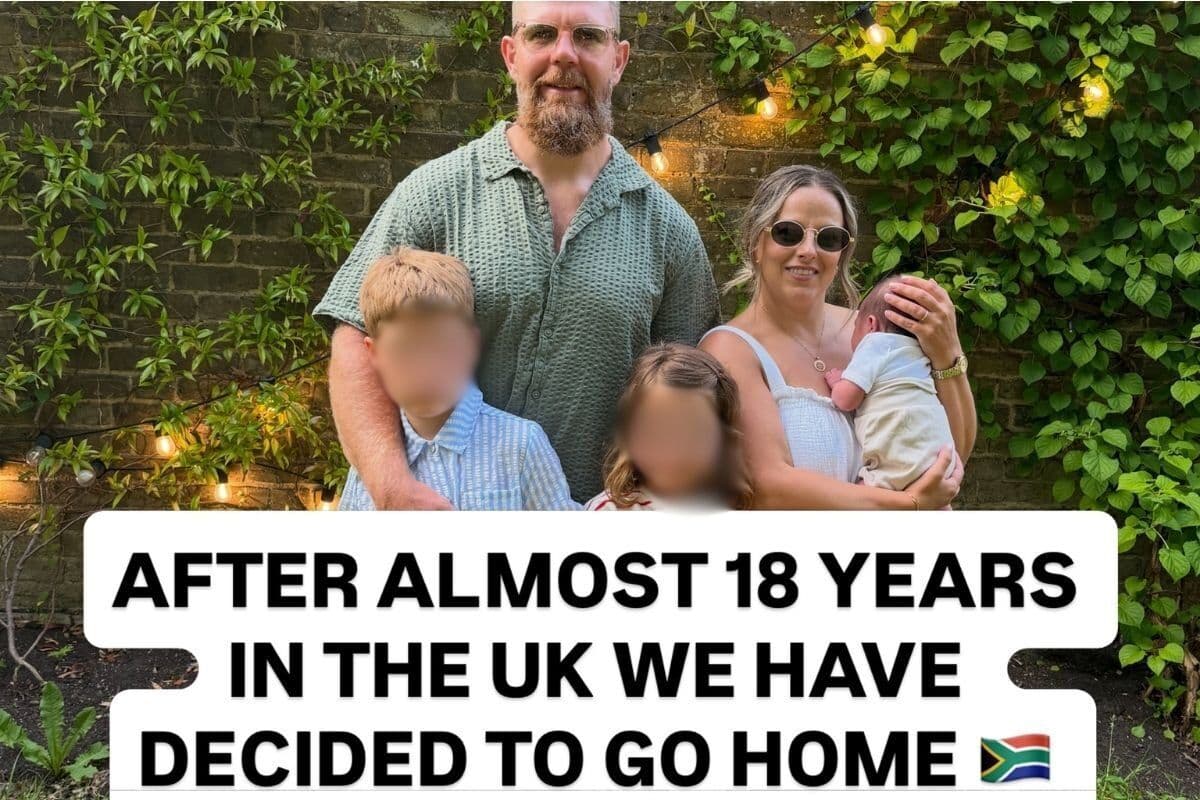
‘Made a Mistake’: Reports Highlight Rise in South Africans Abroad Seeking to Return Home
A recent report has revealed a poignant trend of South Africans who sought refugee status or relocated abroad now wishing to return home, admitting they 'made a mistake.' The emerging situation, which highlights the severe emotional and legal challenges of repatriation, has drawn widespread attention following the tragic case of Caren Cilliers.
A new report published by South African news outlet The South African on 11 September 2026 has highlighted a growing and highly complex trend of individuals who previously sought refugee status or emigrated abroad now expressing a strong desire to return to South Africa, with many admitting they 'made a mistake.' This development sheds light on the often-unseen challenges faced by those who leave the country under difficult circumstances, only to find that life abroad does not meet their expectations or presents unforeseen hardships.
Central to the emerging discussion is the specific case of Caren Cilliers, which was highlighted in the recent publication. While the precise legal and personal details of Cilliers' situation remain limited, the report associates her return and the broader trend with tragic circumstances, including references to suicide. This has sparked intense concern and conversation among South Africans both at home and within the global diaspora, drawing attention to the severe emotional toll of migration and repatriation struggles.
The phrase 'made a mistake' encapsulates a growing sentiment among a segment of South Africans who relocated. Although comprehensive official statistics detailing the exact number of returning individuals or those attempting to reverse their refugee status are not yet publicly available, the narrative indicates a shifting perspective. For many, the initial promise of safety, stability, or better opportunities abroad has been overshadowed by the realities of isolation, cultural barriers, and the administrative difficulties of living as a refugee or displaced person.
To understand the significance of this trend, it is essential to consider the legal context of South Africans claiming refugee or asylum status in foreign nations. While emigration is a well-documented phenomenon, seeking formal refugee status abroad involves proving a well-founded fear of persecution or extreme danger in one's home country. When individuals later decide they wish to return to South Africa, it complicates their legal standing, as returning can invalidate their asylum claims and create significant bureaucratic hurdles with both foreign immigration authorities and South African officials.
The practical implications of this trend are profound. Returning to South Africa after renouncing or altering one's status abroad is rarely a straightforward process. Those wishing to return must navigate complex repatriation laws, re-establish their local identities, and secure livelihoods in a challenging domestic economic environment. The transition can leave returning citizens in a state of legal and financial vulnerability, exacerbating the stress of an already difficult relocation process.
Keep reading
Related coverage
More published reporting connected to this story.
When Life Gets Fuller, Stay Grounded: Viral Wellness Feature Resonates With South Africans
A lifestyle feature published by The Post via IOL has sparked widespread interest across South Africa. The trending article highlights the growing importance of mindfulness and mental grounding amid busy modern schedules.