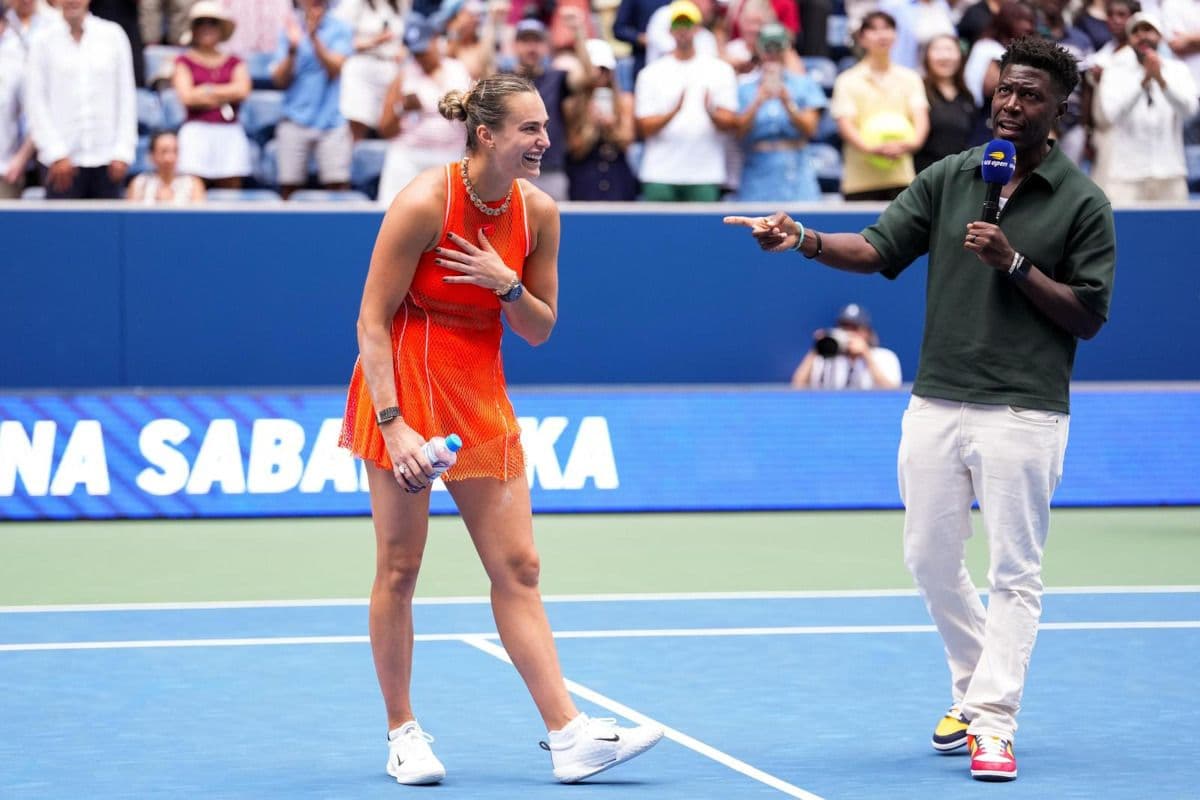
A captivating new sports profile has emerged in South African media circles, focusing on the intriguing journey of tennis figure Kondo Simfukwe. Published by The South African on 14 September 2026, the report highlights how Simfukwe’s time in Australia has profoundly influenced his personal and professional identity, earning him the description of a "cultural chameleon." The story has rapidly gained traction online, drawing significant interest from local sports fans who closely follow the international trajectories of regional athletic talent.
The term "cultural chameleon" suggests an exceptional ability to adapt, integrate, and thrive within a foreign environment while maintaining one's core identity. For athletes and sports personalities moving between the southern hemisphere's sporting hubs, such as South Africa and Australia, this adaptability is often crucial for survival and success. The transition involves navigating different training cultures, playing conditions, and societal expectations, all of which appear to have played a defining role in Simfukwe’s development.
While the initial report has sparked widespread curiosity, specific finer details regarding Simfukwe's exact role, his competitive record, and his current tennis engagements in Australia remain limited in the immediate trend data. What is clear, however, is that his story is being framed through the lens of cross-continental adaptation. The publication of this profile under The South African’s tennis section underscores the ongoing relevance of international pathways for tennis figures from the region.
For South African readers, the narrative of a local or regional sports figure finding a second home in Australia is a familiar and compelling one. The two nations share a fierce but respectful sporting rivalry, alongside similar climates and outdoor-centric lifestyles. This shared affinity often makes Australia a primary destination for athletes seeking to test their skills in highly competitive environments, though the process of truly assimilating—as Simfukwe reportedly has—presents its own unique set of challenges and triumphs.
The viral reception of Simfukwe’s story, categorised under viral news in South Africa, reflects a broader appetite among local audiences for human-interest stories in sports. Rather than focusing solely on match scores and tournament brackets, modern sports journalism increasingly values the personal evolutions of its figures. Simfukwe’s portrayal as a cultural chameleon resonates because it speaks to universal themes of migration, identity, and personal growth in the demanding world of international sports.
As the story continues to circulate, sports analysts and fans alike are left to ponder the specific milestones of Simfukwe's Australian journey. Observers are keen to understand how his adapted cultural perspective influences his approach to tennis, whether through coaching, playing, or sports administration. For now, the narrative serves as a testament to the transformative power of international exposure in sports.
Looking ahead, the South African sporting public will undoubtedly keep a close eye on further updates regarding Kondo Simfukwe. As more details emerge from his journey across the Indian Ocean, his experiences could provide valuable insights for other aspiring tennis players looking to make similar transitions. Whether this exposure leads to a return to local courts or a permanent stay in the Australian sporting system remains a key point of interest for followers of the sport.