Joburg Drunk Driving Crackdown: 213 Arrested Following Fatal Douglasdale Accident
Following a fatal road accident in Douglasdale, Johannesburg law enforcement launched an intensive crackdown on drunk driving. The operation resulted in 213 arrests across the metropolitan area, highlighting ongoing road safety challenges.
Johannesburg law enforcement authorities have launched a massive crackdown on drunk driving, resulting in the arrest of 213 motorists across the metropolitan area. This highly coordinated policing initiative was initiated immediately after a tragic, fatal road accident occurred in the northern suburb of Douglasdale. The incident has once again focused public attention on the persistent dangers of driving under the influence of alcohol on South African roads.
The primary catalyst for this sudden surge in law enforcement activity was the fatal collision in Douglasdale, an affluent residential area in Johannesburg. While the specific details regarding the identities of the victims, the exact sequence of events leading up to the crash, and the types of vehicles involved have not been officially released, the severity of the accident prompted an immediate and decisive response from local traffic authorities determined to prevent further loss of life.
In the direct aftermath of the tragedy, police officers and traffic officials mobilized rapidly across various sectors of the city. This targeted operation led to the arrest of 213 individuals who were allegedly operating vehicles while over the legal alcohol limit. An enforcement drive of this scale highlights the ongoing struggle that Johannesburg faces regarding road safety, demonstrating both the prevalence of drunk driving and the heightened vigilance of local law enforcement.
At this stage, several critical details surrounding the crackdown remain unconfirmed. Official sources have not yet specified the exact timeframe over which these 213 arrests were made, nor have they released the precise locations of the roadblocks and checkpoints established during the operation. Furthermore, the identities of those arrested and the specific charges they will face—beyond the initial allegation of driving under the influence—have not been made public as formal legal proceedings are pending.
In South Africa, driving under the influence of alcohol remains one of the leading contributors to fatal road accidents, especially within major economic hubs like Johannesburg. The National Road Traffic Act outlines strict legal limits for blood-alcohol concentration, and while regular campaigns are deployed to act as a deterrent, compliance remains a significant challenge. The fatal event in Douglasdale serves as a grim reminder of how quickly reckless driving can lead to devastating consequences for families and communities.
For Johannesburg motorists, this extensive crackdown serves as a stark warning of the zero-tolerance stance being adopted by local authorities. Road users can expect a continued, highly visible police presence on major routes and hotspots, particularly during weekends and late-night hours. The legal and personal implications of a drunk driving arrest in South Africa are severe, often involving overnight detention, a permanent criminal record, and the potential suspension of one's driving licence.
While official statements from municipal police departments and city representatives are still being compiled, local community forums and road safety advocacy groups in Gauteng have long called for sustained, everyday enforcement rather than temporary reactive measures. The pattern of severe accidents followed by intensive, short-term policing drives remains a topic of active discussion among residents who are calling for systemic changes to how traffic laws are enforced.
Moving forward, the public will be watching closely to see how the legal cases against the 213 arrested individuals proceed through the local court system. Observers are also awaiting a detailed briefing from investigators regarding the formal cause of the Douglasdale accident. Whether this latest high-profile enforcement drive will lead to a long-term shift in motorist behaviour across Johannesburg, or if it represents a temporary spike in policing activity, remains to be seen.
Reporting record
How this story was produced
This article was AI-generated from the frozen trend evidence and passed deterministic quality and safety gates. No cross-provider evidence review or independent human verification is claimed for this record.
- Byline
- Newstrends AI Newsroom
- First published
- Last material update
- No later material update recorded
- Distinct source identifiers
- 1 retained source identifier
Frozen source links for this publication
Chronology
Story timeline
A generated chronology for orientation; dates and details may require source verification.
Update
Reports emerge of a massive drunk driving crackdown in Johannesburg resulting in 213 arrests following a fatal accident in Douglasdale.
Reader file
Frequently asked questions
01How many people were arrested in the Johannesburg drunk driving crackdown?
A total of 213 motorists were arrested during the law enforcement crackdown across Johannesburg.
02What triggered the intensive law enforcement operation?
The crackdown was launched following a fatal road accident in the Johannesburg suburb of Douglasdale.
03Are the identities of those involved in the Douglasdale accident known?
No, official reports have not yet released the identities of the victims or those arrested in connection with the incident.
Keep reading
Related coverage
More published reporting connected to this story.

Joburg Struggles Deepen, Scharnick Arrested at Madlanga, and Du Toit to Captain Springboks Against All Blacks
A comprehensive round-up of South Africa's latest headlines reveals growing concerns over municipal decline in Johannesburg and a high-profile arrest at Madlanga. Meanwhile, rugby fans have received a major boost with the announcement of Du Toit as Springbok captain for the upcoming clash against the All Blacks.
Johannesburg Running Out of Steam as Economic Cracks Begin to Show, Reports Warn
Reports from August 2026 indicate that Johannesburg, South Africa's economic hub, is facing severe momentum loss. As systemic challenges mount, questions arise over the city's infrastructure and financial stability.

Three Arrested Following Paper Theft at Hillbrow Health Centre in Johannesburg
Three suspects have been taken into custody following an incident of paper theft at the Hillbrow Health Centre. While details about the nature of the stolen paper remain unconfirmed, the arrests highlight ongoing security challenges in public health facilities.
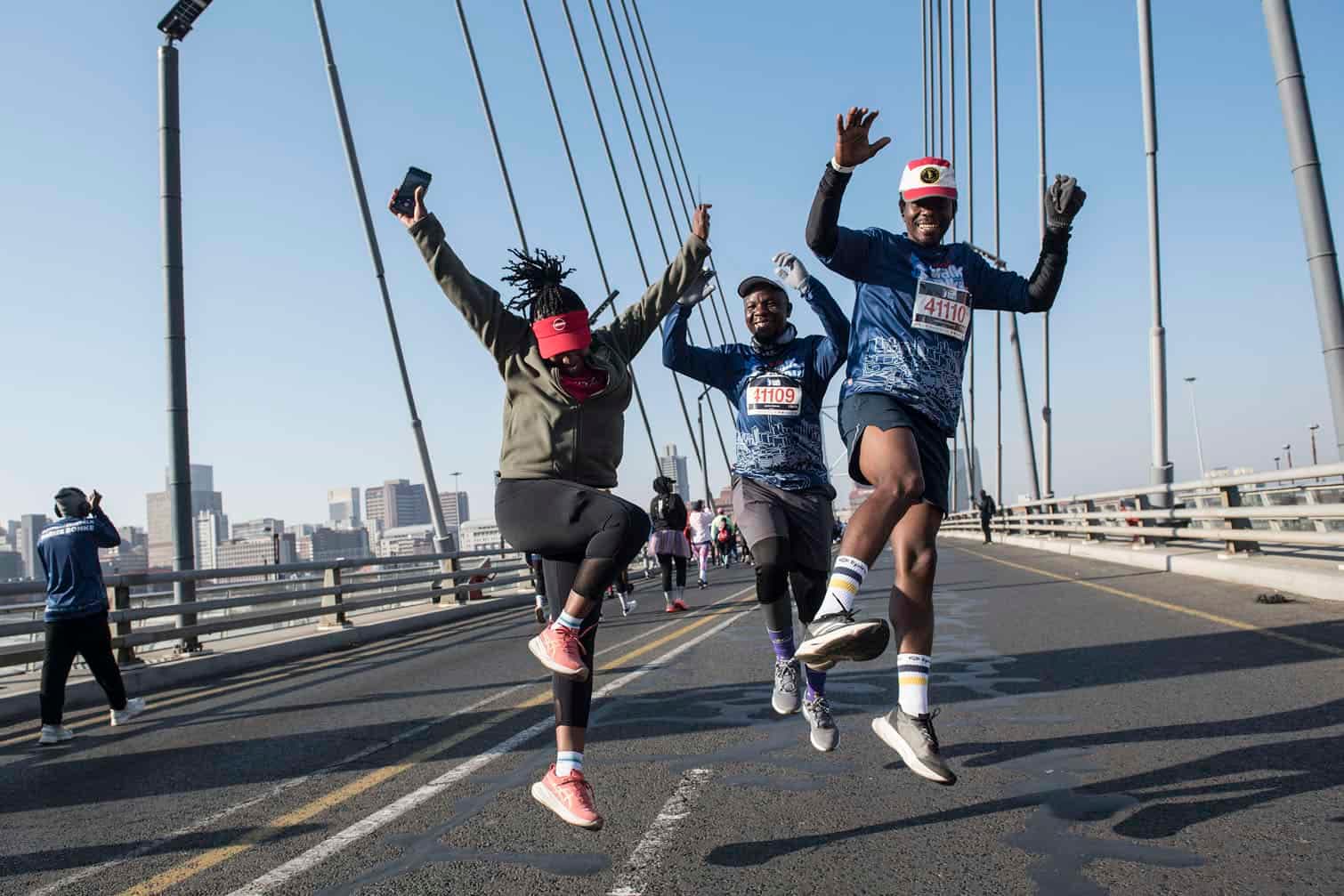
Thousands Gather in Johannesburg for the 702 Jozi My Jozi Walk The Talk
Thousands of walkers hit the streets of Johannesburg for the iconic 702 Jozi My Jozi Walk The Talk. The mass-participation event showcased civic pride, community wellness, and urban solidarity across the city.
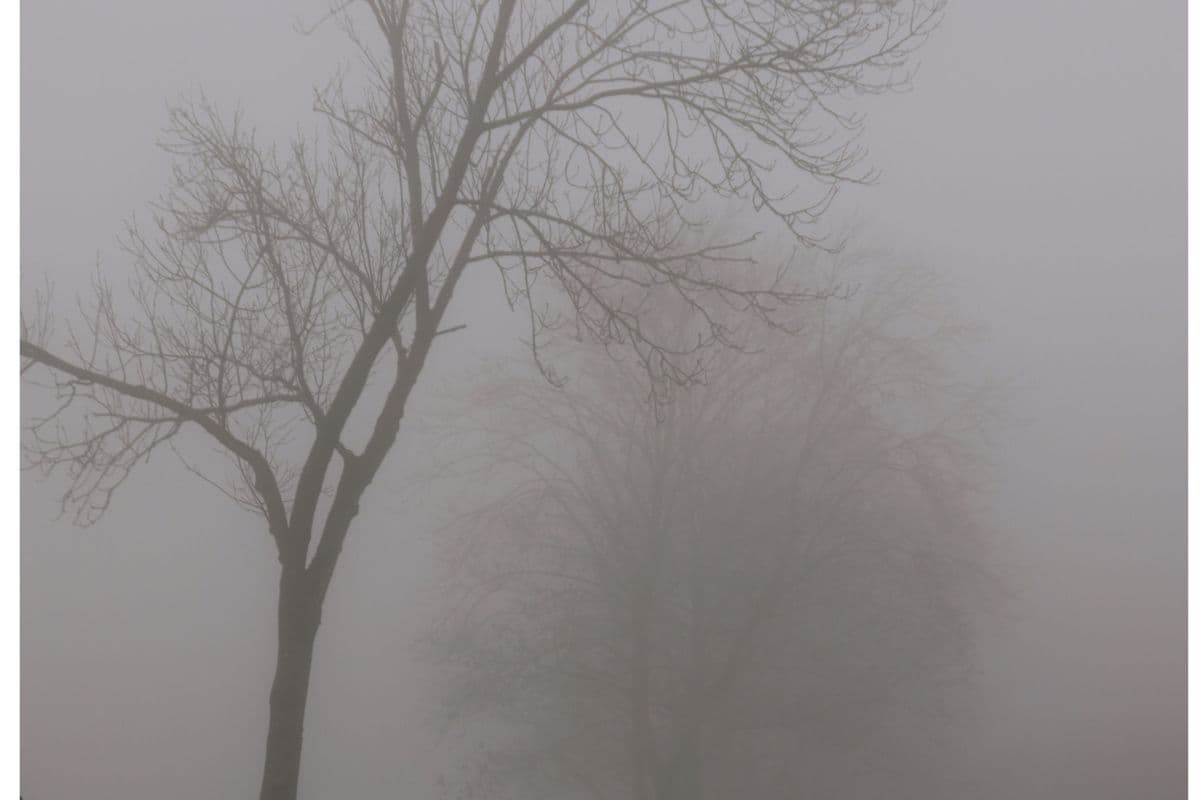
Weather Alert: Dense Morning Fog Forecasted Across Six South African Provinces
Commuters and motorists across six South African provinces are warned to prepare for hazardous driving conditions due to expected dense morning fog. The widespread weather event is projected to significantly reduce visibility on major transport routes. Authorities urge extra caution during the early morning commute.