‘I’m So Angry at Myself’: Zelda La Grange Opens Up About Scam Ordeal
Prominent South African public figure Zelda La Grange has spoken out about falling victim to a scam, expressing deep self-anger. The revelation highlights the growing threat of sophisticated fraud and the emotional toll it takes on victims.

In a deeply personal revelation that has resonated with many across South Africa, prominent public figure Zelda La Grange has opened up about falling victim to a scam. Expressing her profound frustration over the incident, La Grange admitted to feeling a deep sense of self-reproach, stating, 'I’m so angry at myself.' The news of her ordeal, which came to light on 17 August 2026, has highlighted the growing threat of fraudulent schemes targeting citizens from all walks of life.
The disclosure was first reported by local news outlet The South African, shedding light on an experience that is becoming increasingly common yet remains highly stigmatised. While the initial reports have not detailed the specific mechanics, timing, or financial impact of the fraud, the emotional toll on La Grange is clear. Her candid admission of anger towards herself reflects the typical psychological impact experienced by victims of sophisticated scams.
For South African readers, Zelda La Grange is a highly recognisable and respected figure. She is widely known for her dedicated, long-term role as the personal assistant and private secretary to the late former President Nelson Mandela. Having spent decades navigating high-pressure environments and managing complex public relations, her vulnerability to such an ordeal serves as a sobering reminder. It demonstrates that anyone, regardless of their professional background, intelligence, or level of public exposure, can be targeted and deceived by modern fraudsters.
At this stage, several key details regarding the incident remain undisclosed to the public. It is currently unclear whether the scam involved digital phishing, telephonic social engineering, a fraudulent investment scheme, or identity theft. Additionally, it remains unknown whether a formal criminal case has been opened with the South African Police Service (SAPS), or if financial institutions are actively investigating the matter to recover any potential losses.
The psychological burden of falling victim to fraud is often compounded by silence, making La Grange’s public admission particularly significant. Cyber-safety and financial experts frequently point out that scammers rely on sophisticated psychological manipulation to exploit their victims. By openly expressing her self-anger, La Grange has brought a vital human element to a crime that is too often dismissed as mere carelessness, helping to shift the blame from the victim to the perpetrator.
The broader context of fraud in South Africa reveals a worrying trend. As digital banking and online transactions become the norm, syndicates have become increasingly sophisticated in their methods. From elaborate banking scams to malicious software and impersonation fraud, the tactics used by criminals are constantly evolving. This environment of heightened risk requires continuous public awareness and a collective effort to dismantle the shame that prevents victims from reporting these crimes.
La Grange’s experience underscores the critical importance of ongoing public education regarding security protocols. Financial institutions and security agencies consistently advise South Africans to remain vigilant, question unexpected communications, and verify the credentials of any party requesting personal or financial information. When high-profile individuals share their stories, it often provides a powerful catalyst for the public to review their own security measures and remain alert.
As the situation unfolds, South Africans will be watching closely for any further details La Grange or law enforcement agencies may share regarding the scam. Whether this revelation leads to a broader campaign on fraud awareness or assists in warning others about specific tactics remains to be seen. For now, her honesty has sparked an essential conversation about vulnerability, vigilance, and the pervasive nature of fraud in modern society.
Reporting record
How this story was produced
This article was AI-generated from the frozen trend evidence and passed deterministic quality and safety gates. No cross-provider evidence review or independent human verification is claimed for this record.
- Byline
- Newstrends AI Newsroom
- First published
- Last material update
- No later material update recorded
- Distinct source identifiers
- 1 retained source identifier
Frozen source links for this publication
Chronology
Story timeline
A generated chronology for orientation; dates and details may require source verification.
Update
Reports emerge detailing Zelda La Grange's public disclosure regarding her scam ordeal.
Reader file
Frequently asked questions
01What happened to Zelda La Grange?
Zelda La Grange has publicly revealed that she fell victim to a scam, expressing deep frustration and stating that she is 'so angry' at herself over the ordeal.
02What details are known about the scam?
Specific details regarding the nature of the scam, the financial losses involved, or the perpetrators have not yet been publicly disclosed.
Keep reading
Related coverage
More published reporting connected to this story.

Where to Find South Africa's Daily Lotto, PowerBall, and PowerBall XTRA Draw Results Online
South African lottery players can now access complete historical archives for the Daily Lotto, PowerBall, and PowerBall XTRA online. Reliable digital platforms provide comprehensive, up-to-date draw results to ensure convenient ticket verification.
Weather Alert: Damaging Winds Forecast for Northern Cape as Frost Threatens Gauteng and Free State
South Africans face highly contrasting weather conditions on Friday, 14 August 2026. A weather alert warns of damaging winds in the Northern Cape and frost in Gauteng and the Free State, while the Eastern Cape enjoys fine and warm conditions.
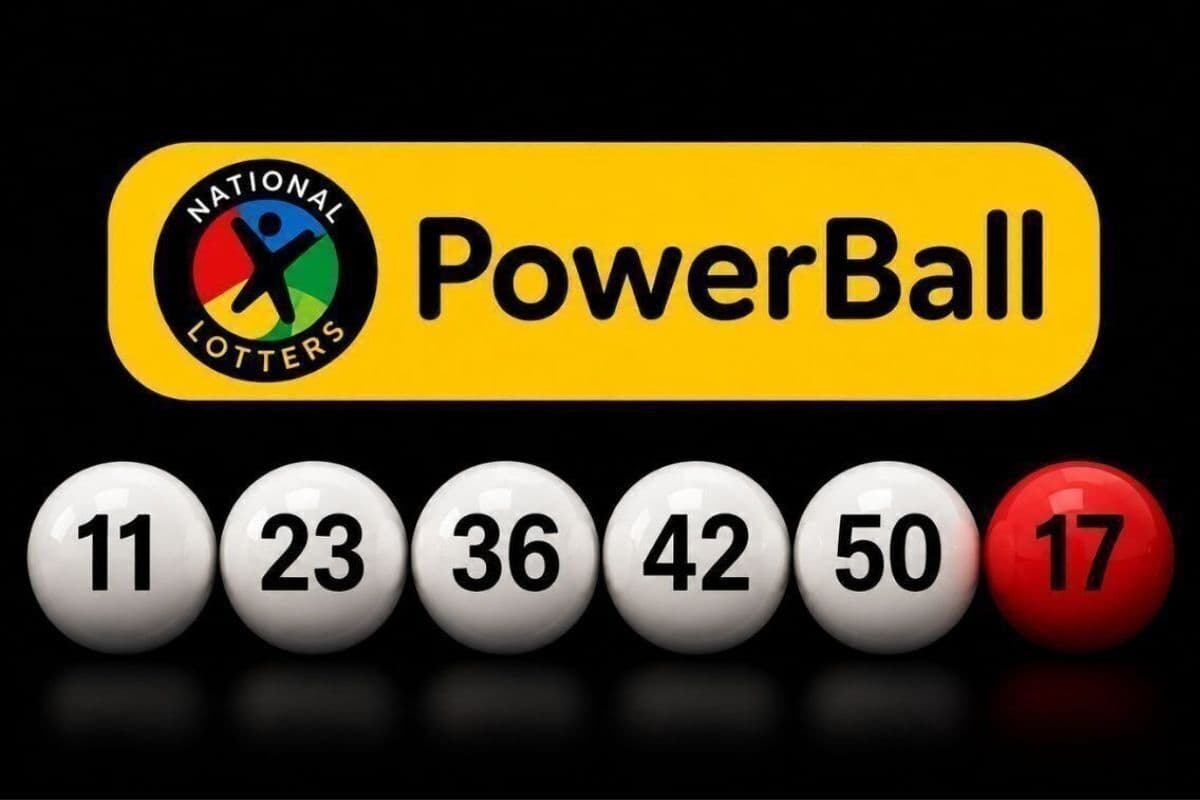
PowerBall Jackpot: What to Know Ahead of the Tuesday, 11 August 2026 Draw
Anticipation builds across South Africa as the PowerBall draw approaches tonight, Tuesday, 11 August 2026. Players have until the evening cut-off time to purchase their tickets for a chance at the jackpot.
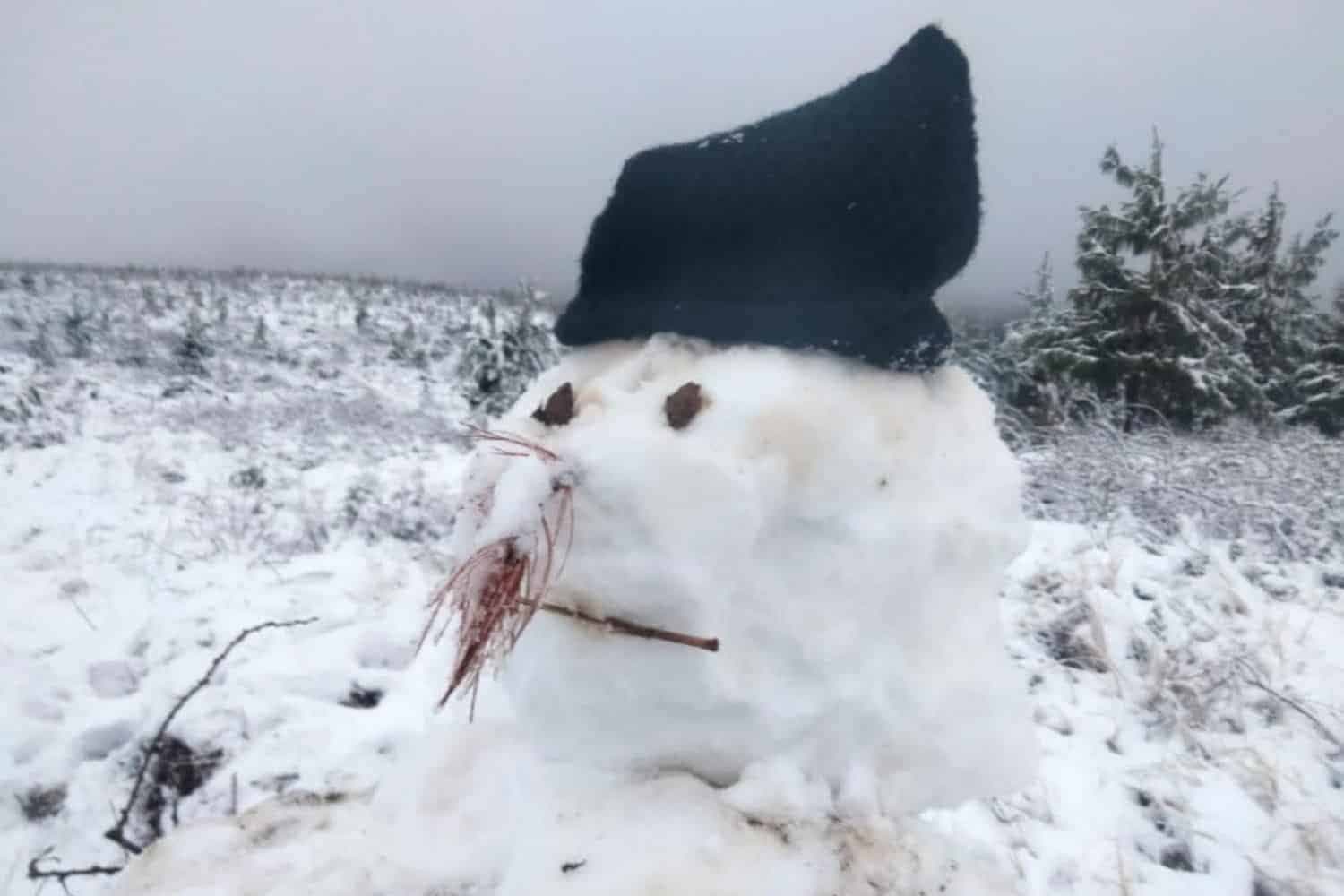
Snow Alert: Gauteng Braces for Rare Winter Wonderland
Gauteng residents are on high alert following a rare snow warning for the province. While the prospect of a winter wonderland has sparked widespread excitement, authorities urge caution as the region prepares for unusual winter conditions.
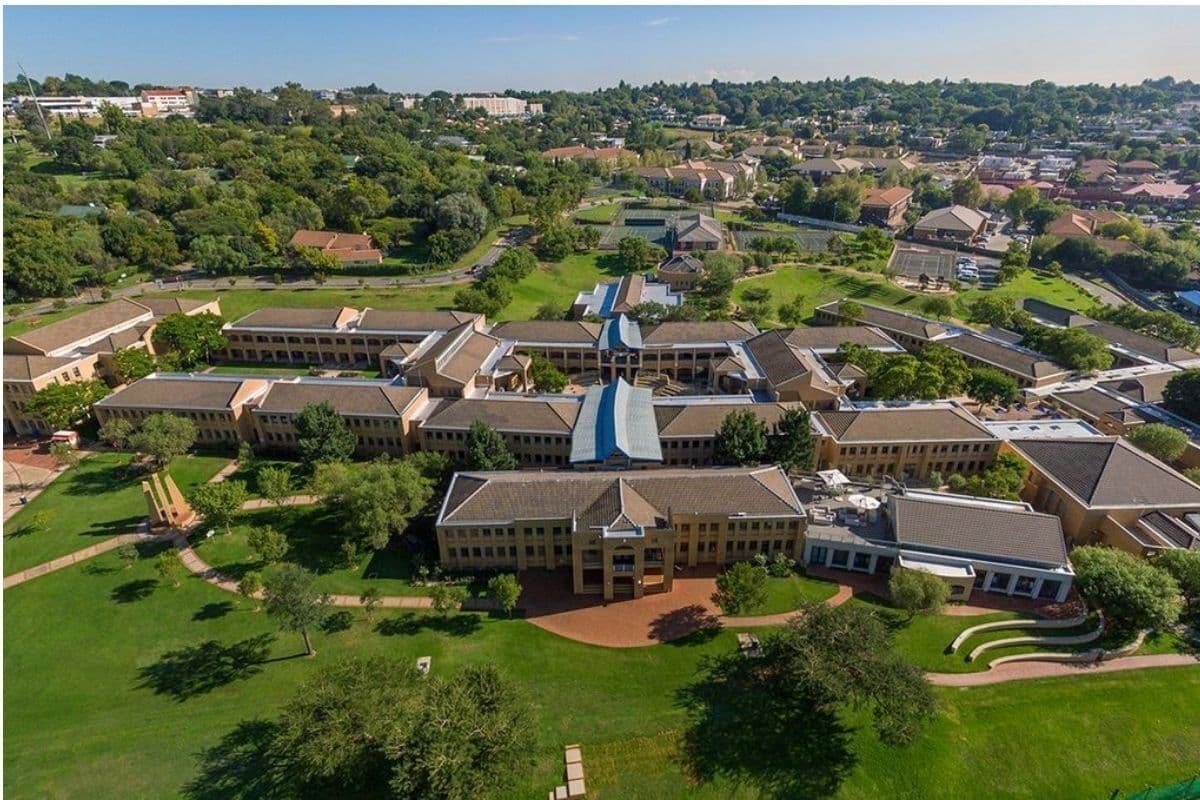
St Stithians College Under Fire as Controversy Ignites Over 'Murderer Hailed as Hero' Reports
St Stithians College is facing severe public backlash following reports linking the school to a controversial case involving Ethan Coetzee and Cameron Waldeck-Cooks. The developing story has sparked intense debate online regarding the framing of the individuals involved.