Hughes Departs Liverpool Sporting Director Role, Sparking Interest Among South African Fans
Liverpool's sporting director, Hughes, has officially vacated his role, as confirmed by reports on 5 September 2026. The sudden departure of this key administrative figure has sparked widespread discussion among the club's extensive South African fan base.
In a development that has captured the attention of football enthusiasts across South Africa, it has been confirmed that Hughes has officially left his role as the sporting director of Liverpool Football Club. The news, which emerged on 5 September 2026, was reported by South African media outlet Independent Online (IOL), highlighting the deep interest that local sports fans have in the administrative affairs of the English Premier League giants.
For South African Liverpool supporters, who comprise one of the largest international fan bases for the club, any major leadership change at Anfield is a matter of significant concern. From Cape Town to Johannesburg, official supporters' clubs and casual viewers alike follow the team's progress closely. The departure of a key figure responsible for the club's sporting direction is bound to spark intense discussion in local football circles, on sports radio, and across social media platforms.
At this juncture, the specific details surrounding the departure of Hughes remain limited. The initial reports confirmed the exit but did not elaborate on the underlying reasons for the decision, nor did they outline who would step in to fill the vacancy. In the highly competitive environment of elite European football, such transitions are rarely simple, leaving fans and analysts to ponder whether this move was a personal decision by Hughes or part of a broader restructuring strategy by the club's ownership.
To understand the potential impact of this departure, it is essential to consider the vital role that a sporting director plays in a modern football club. Unlike traditional managers who focus primarily on match-day tactics and training, a sporting director is responsible for the long-term footballing blueprint. This includes overseeing player recruitment, managing scouting networks, negotiating player contracts, and ensuring that the club's youth academy aligns with the first team's tactical philosophy. The vacancy left by Hughes means that these critical operations may face temporary disruption.
This administrative shake-up comes at a sensitive time in the football calendar. With the report emerging in early September 2026, the European transfer window has recently closed, meaning the club's immediate squad is locked in, but planning for future transfer windows and contract renewals must continue unabated. The absence of a permanent sporting director could complicate ongoing negotiations and strategic planning, making the swift appointment of a successor a top priority for the Liverpool board.
South African football pundits often point out that administrative stability is the cornerstone of on-field success, a lesson that is equally applicable to the local Premier Soccer League (PSL) and global tournaments. When top-tier clubs like Liverpool experience sudden changes in their executive ranks, it often tests the resilience of their internal structures. Local commentators will undoubtedly be watching how the club manages this transition and whether it affects their performance in both domestic and European competitions.
As the situation develops, South African fans will be keeping a close eye on official communications from Liverpool Football Club for clarity on the transition plan. The identity of the next sporting director, the interim arrangements, and the official reasons behind Hughes' departure are the key questions that remain unanswered. For now, the Anfield faithful in South Africa must wait to see how this administrative pivot will shape the future of their beloved club.
Reporting record
How this story was produced
This article was AI-generated from the frozen trend evidence and passed deterministic quality and safety gates. No cross-provider evidence review or independent human verification is claimed for this record.
- Byline
- Newstrends AI Newsroom
- First published
- Last material update
- No later material update recorded
- Distinct source identifiers
- 1 retained source identifier
Frozen source links for this publication
Chronology
Story timeline
A generated chronology for orientation; dates and details may require source verification.
Update
Reports emerge via South African media outlet IOL confirming that Hughes has left his role as Liverpool sporting director.
Reader file
Frequently asked questions
01When was the departure of Hughes announced?
The departure was reported on 5 September 2026 by South African news source Independent Online (IOL).
02Why did Hughes leave the Liverpool sporting director role?
The specific reasons for Hughes' departure have not been disclosed in the initial reports.
03Who will replace Hughes as Liverpool's sporting director?
As of the initial reports, no successor or interim replacement has been officially confirmed.
Keep reading
Related coverage
More published reporting connected to this story.
Szoboszlai’s Late Goal Saves Liverpool in Dramatic Draw Against Newcastle
Dominik Szoboszlai scored a last-gasp equaliser to rescue a draw for Liverpool against Newcastle United on Sunday. The dramatic Premier League clash has sparked intense discussion among South African football fans.
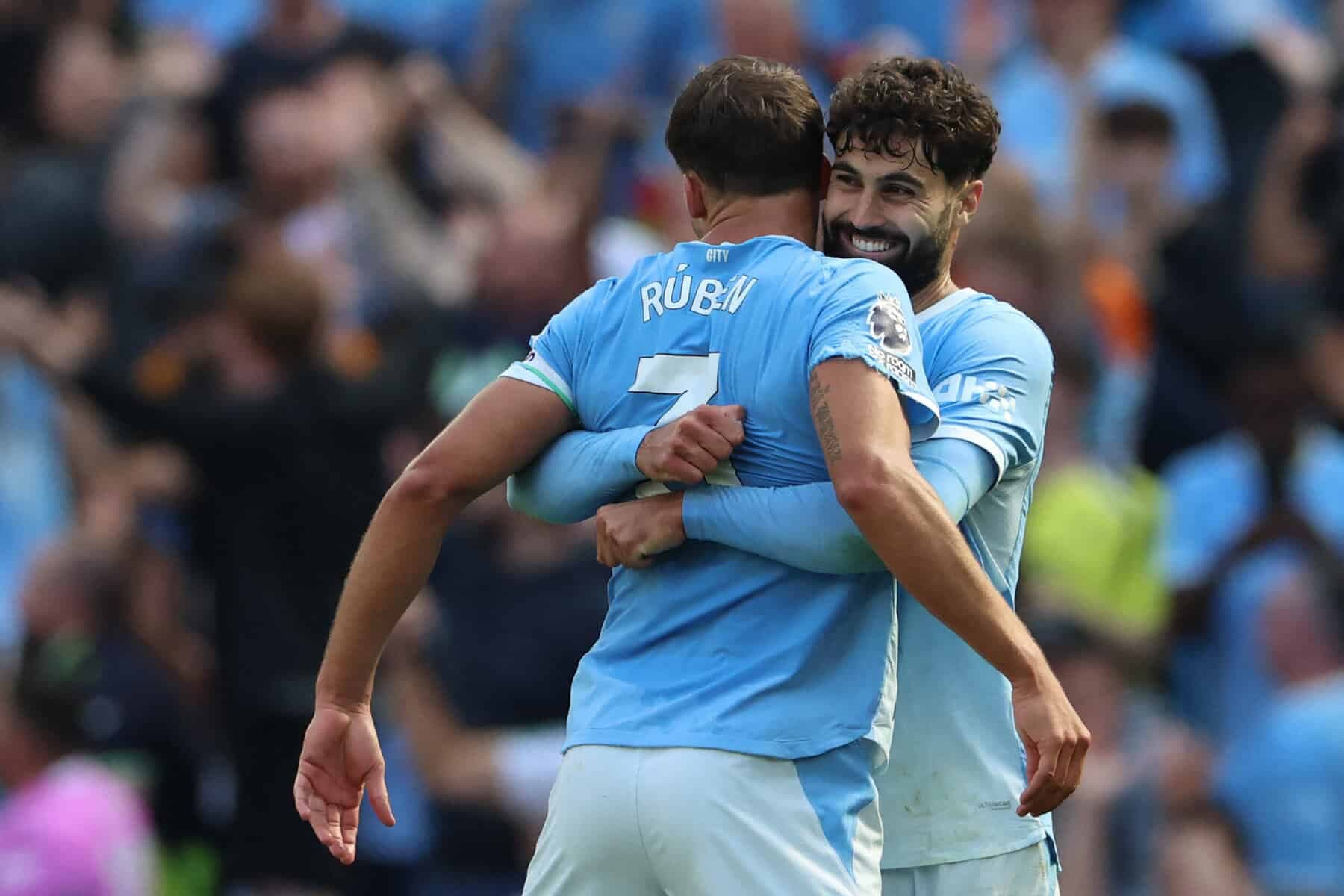
Maresca Secures Dramatic Debut Victory with Manchester City as New Era Begins
Enzo Maresca has enjoyed a winning start as Manchester City manager following a dramatic fightback. The tense encounter has sparked immediate interest among South African football fans eager to see how the team evolves under new leadership.
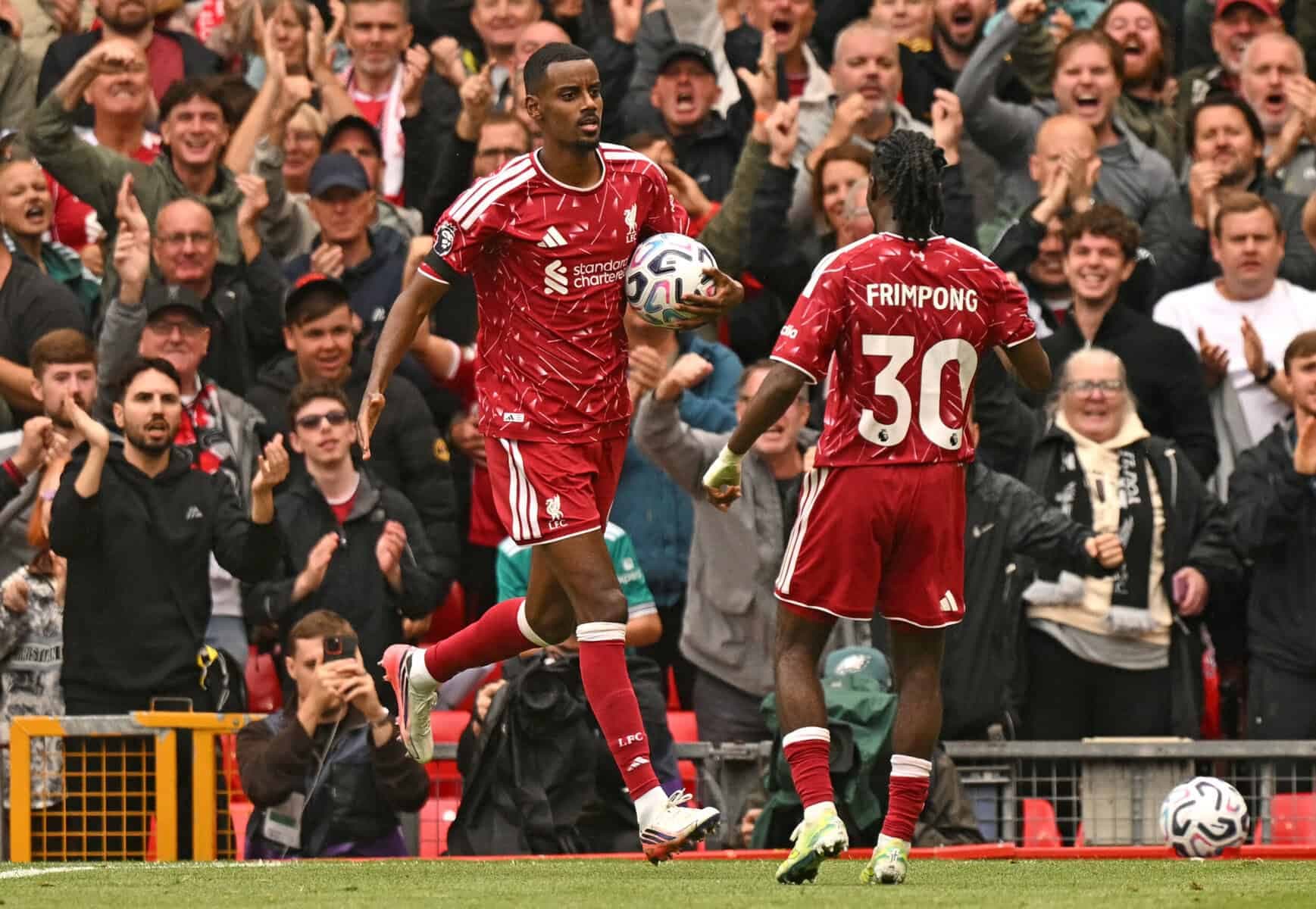
Liverpool held by Forest in frustrating Anfield debut for Iraola
English Premier League giants Liverpool were held to a draw by Forest on Iraola's Anfield debut. The result has sparked intense debate among South African football fans who closely follow the Merseyside club.
Virgil van Dijk Demands Big Improvement After 'Unacceptable' Liverpool Season
Liverpool captain Virgil van Dijk has issued a blunt assessment of the club's recent performance, labelling the season 'unacceptable'. His call for immediate improvement has sparked intense interest and debate among the club's massive South African fanbase.
Morgan Rogers Explains Chelsea Move, Praising Xabi Alonso's Tactical Coaching Style
English footballer Morgan Rogers has opened up about his transfer to Chelsea, highlighting how Xabi Alonso's coaching philosophy perfectly matches his own vision of the game. The revelation has sparked significant interest among South African football fans eager to see the tactical evolution at Stamford Bridge.