From TVs to Coffee: Can Hisense Bring Barista-Style Brewing to South African Homes?
Electronics giant Hisense is reportedly expanding from home entertainment into the domestic coffee market. This bold move raises questions about whether the brand can successfully challenge established appliance makers and deliver authentic barista-style coffee to South African households.
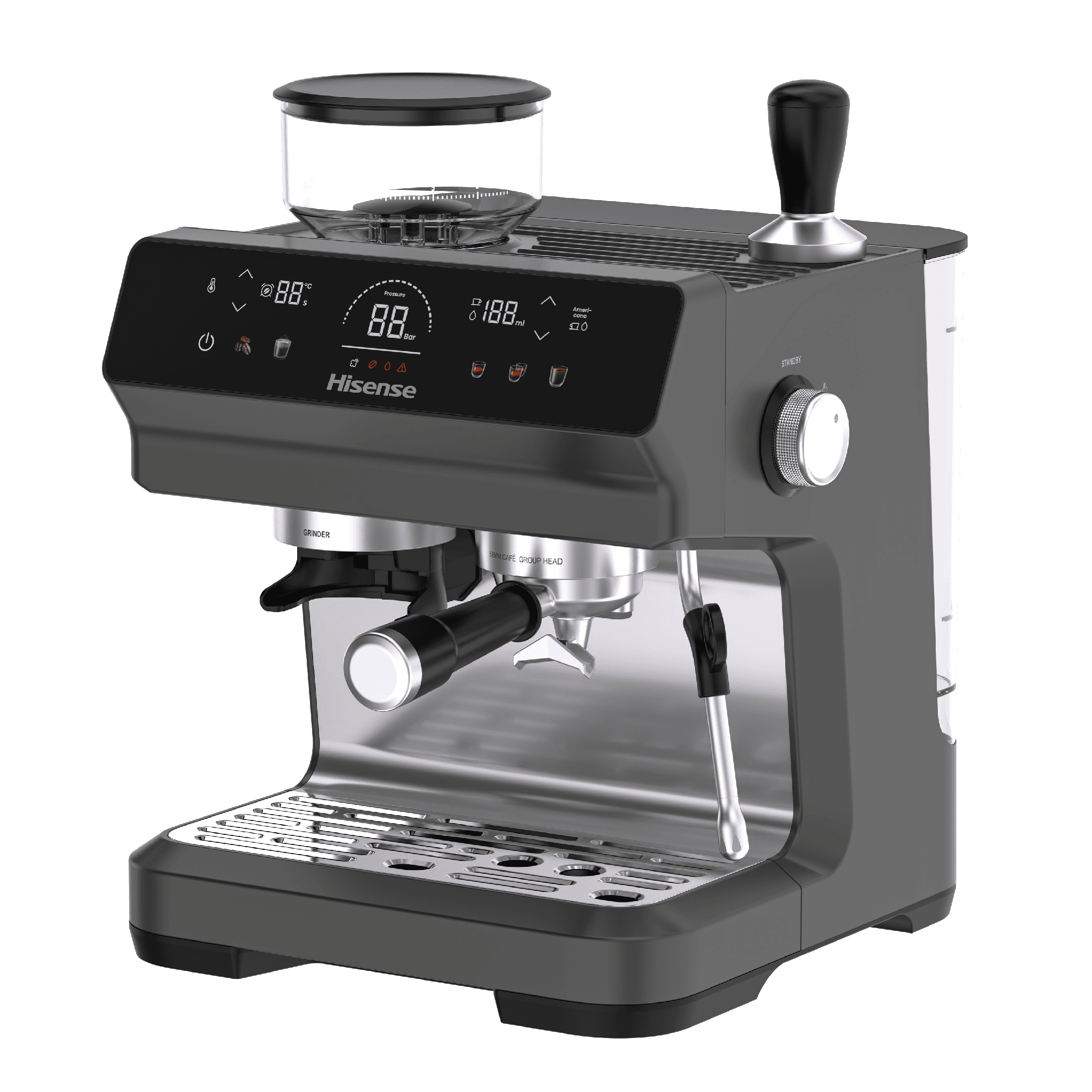
Consumer electronics giant Hisense, a brand traditionally synonymous with home entertainment and televisions in South Africa, is expanding its horizons into the domestic coffee market. The central question emerging from recent business reports is whether the multinational company can successfully transition from high-definition screens to high-quality, "barista-style" coffee in the comfort of South African homes. This development marks a fascinating shift in the company's product strategy, moving from the living room to the kitchen counter.
Historically, South African consumers have associated the Hisense name with affordable yet high-performing televisions, refrigerators, and washing machines. Entering the premium coffee space represents a bold diversification strategy. By targeting the home barista market, the company is positioning itself to compete in a highly lucrative and increasingly crowded small kitchen appliance sector, where consumer loyalty is often fiercely guarded by established, coffee-centric brands.
The timing of this move aligns with a broader cultural shift in South Africa. Over the past decade, the country has experienced a massive boom in coffee culture. What was once a nation primarily reliant on instant coffee has transformed into a sophisticated market of espresso, flat white, and cold brew enthusiasts. As local coffee shops and artisan roasters have flourished, South Africans have increasingly sought to replicate that professional, "barista-style" experience at home, creating a ripe market for domestic espresso machines.
While the initial reports have sparked significant interest among local consumers, specific technical details about the upcoming Hisense coffee appliances remain scarce. It is currently unclear whether Hisense plans to launch a range of fully automatic bean-to-cup machines, manual espresso makers, or capsule-based systems. Additionally, local pricing, exact launch dates, and specific distribution channels within South African retail networks have not yet been officially detailed. Consumers and industry analysts alike are waiting to see how the brand will balance premium features with its traditionally competitive pricing model.
Achieving true "barista-style" coffee at home is no small feat. It requires precise temperature control, optimal water pressure, and high-quality grinding capabilities—technological demands that differ significantly from manufacturing visual displays or cooling systems. For Hisense, the challenge will lie in proving to discerning coffee lovers that an electronics powerhouse can master the delicate chemistry and physics of coffee extraction. If successful, it could democratise high-quality home brewing for a wider South African audience.
Another intriguing aspect of this expansion is the potential for smart home integration. As a major player in the smart TV and connected appliance ecosystem, Hisense could leverage its existing technology to introduce smart coffee makers. Imagine a coffee machine that can be queued from a smartphone or integrated into a broader home automation system. While such features remain unconfirmed, they represent a logical pathway for a tech-first company entering the modern kitchen appliance space.
The road ahead in the South African market will not be without obstacles. The local home coffee machine sector is currently dominated by well-entrenched European brands that have spent decades building trust with coffee aficionados. To capture market share, Hisense will need to rely heavily on its established brand equity, local customer service infrastructure, and retail partnerships. South African consumers are notoriously value-conscious, meaning the value proposition of these new machines will be critical to their adoption.
As the lines between consumer electronics and home lifestyle products continue to blur, Hisense's venture into coffee represents a key test of brand elasticity. Whether the company can convince South Africans to trust them with their morning caffeine ritual as much as their evening television viewing remains to be seen. Industry watchers and coffee enthusiasts will undoubtedly be keeping a close eye on local retail shelves to see if Hisense can truly deliver on the promise of bringing barista-style coffee home.
Reporting record
How this story was produced
This article was AI-generated from the frozen trend evidence and passed deterministic quality and safety gates. No cross-provider evidence review or independent human verification is claimed for this record.
- Byline
- Newstrends AI Newsroom
- First published
- Last material update
- No later material update recorded
- Distinct source identifiers
- 1 retained source identifier
Frozen source links for this publication
Chronology
Story timeline
A generated chronology for orientation; dates and details may require source verification.
Update
Reports emerge highlighting Hisense's potential expansion from televisions into the home coffee machine market.
Reader file
Frequently asked questions
01Is Hisense launching a coffee machine in South Africa?
Recent business reports indicate Hisense is exploring the domestic coffee market, aiming to bring barista-style coffee machines to homes, though specific local launch details are yet to be fully detailed.
02What types of coffee machines is Hisense planning to release?
It remains unclear whether Hisense will focus on fully automatic bean-to-cup machines, manual espresso makers, or capsule-based systems.
Keep reading
Related coverage
More published reporting connected to this story.

The Rise and Forced Sale of a R470 Million South African Business Empire
A report has highlighted the dramatic story of two South African entrepreneurs who built a R470 million business empire, only to face a forced sale. While the specific identities and industry remain undisclosed, the case raises critical questions about corporate sustainability in South Africa.
End of a 10-Year Era for Coca-Cola in South Africa Signals Major Corporate Transition
Reports emerge of a major transition for beverage giant Coca-Cola in South Africa, marking the conclusion of a significant ten-year operational era. While specific structural details remain unconfirmed, the shift marks a major milestone for the brand's local footprint.
From Humble Farmland to Economic Powerhouse: The Story Behind Africa's Richest Square Mile
A trending report by BusinessTech explores the remarkable transformation of a South African farm into the continent's wealthiest square mile. The viral article has sparked widespread interest in the country's urban history and economic evolution.
The R10 Billion Idea: Viral Report Highlights South African Man Fired Before Striking Gold
A viral report has emerged detailing the story of a South African man who was dismissed from his job over an idea that later grew into a R10 billion success. The narrative has sparked widespread discussion on corporate innovation, intellectual property, and the cost of overlooking internal talent. As details continue to unfold, the case highlights the massive financial stakes of corporate decision-making.
Changan to Reintroduce 'Half Loaf' Commercial Vehicles to South African Market
Chinese automotive brand Changan is making a strategic comeback in South Africa with the reintroduction of its compact 'half loaf' commercial vehicles. The move aims to provide affordable transport solutions for local small businesses amid tough economic conditions.